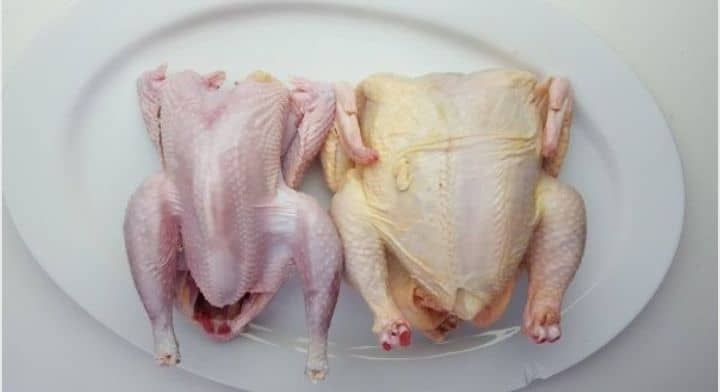




























The Rwanda Inspectorate, Competition and Consumer Protection Authority has advised Rwandans to stop consuming chicken that is slaughtered and prepared immediately. Authorities say this common practice does not meet food safety standards and may pose health risks.

ALSO READ: Leaders to Review National Strategy Implementation and Strengthen Governance
Health Expert Explains the Risks
According to Dr. Gaspard Simbarikure, who oversees hygiene, quality inspection, and quarantine of animal products at RICA, freshly slaughtered chicken is not safe for immediate consumption.
He explained that meat needs time to stabilize after slaughter. Without proper handling, it may fail to meet required safety standards.
Why Freshly Slaughtered Chicken Is Unsafe
Dr. Simbarikure stressed that chicken, like other types of meat, should be stored under controlled cold conditions for at least 24 hours before consumption.
He noted that many people prefer to have chickens slaughtered in front of them at restaurants and bars. However, he warned that this habit should change because such meat does not go through proper safety procedures.
Consumers Urged to Demand Inspection Certificates
Consumers have the right to verify the safety of the meat they buy. Dr. Simbarikure encouraged people to ask whether the chicken has been inspected by a certified veterinary professional.
He advised buyers to request proof from sellers, including veterinary certificates that confirm the meat passed inspection at authorized slaughterhouses.
Slaughterhouse Experts Call for Safer Practices
Niyogisubizo Benitha, a meat inspector in Burera District, explained that approved slaughterhouses follow strict hygiene standards.
She said workers inspect all chickens before releasing them to the market. She urged households and business owners to use authorized facilities instead of slaughtering chickens at home.
As beef prices continue to rise, more Rwandans are turning to chicken as an affordable alternative. However, experts emphasize that safety must come first to protect public health and ensure proper food standards.