




























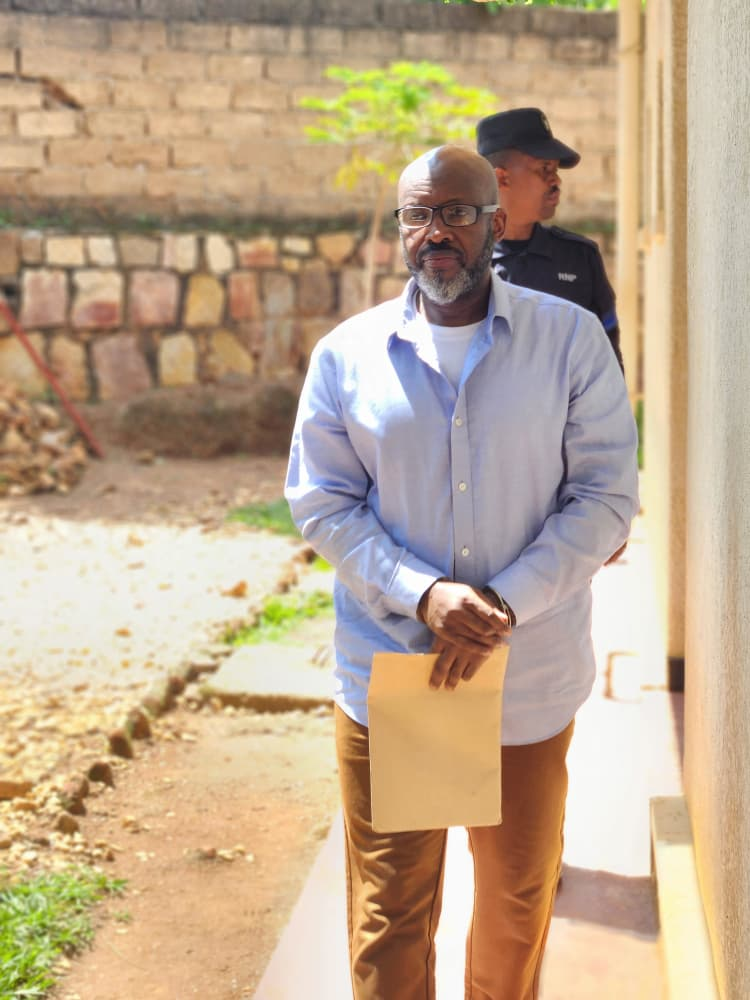
The Primary Court of Kicukiro is scheduled to hear the case of Teganya Jean Léonard as judges consider whether he should remain in custody or be granted provisional release while investigations into allegations linked to the 1994 Genocide against the Tutsi continue.

The hearing marks an important step in the judicial process following Teganya’s transfer to Rwanda from the United States on November 9, 2026. Upon his arrival, Rwandan judicial authorities initiated legal proceedings against him over allegations concerning his suspected role during the Genocide against the Tutsi.
According to the prosecution, Teganya is being investigated for crimes allegedly committed during the genocide, which claimed the lives of more than one million people and left lasting scars on Rwanda. The court is expected to examine the evidence presented so far, the seriousness of the accusations and whether there are sufficient legal grounds to keep him in detention as investigations continue.
ALSO READ: Ngoma: Residents Urged to Report and Stop Child Sexual Abuse
Prosecution and Defence to Present Arguments
During pre-trial detention hearings, prosecutors may argue that continued custody is necessary to prevent interference with investigations, protect witnesses or ensure that suspects remain available for future court proceedings.
Defence lawyers, meanwhile, may seek provisional release by arguing that their client does not pose a flight risk and is willing to cooperate with the judicial process. The court’s decision will determine whether Teganya remains in custody as investigations proceed or is granted provisional release under the applicable legal provisions.
ALSO READ: Nyagatare: Parents Urged to Rush Abused Children to Hospital
Case Part of Rwanda’s Efforts to Prosecute Genocide Suspects
The case has attracted public attention as Rwanda continues efforts to bring to justice individuals suspected of involvement in the 1994 Genocide against the Tutsi, including those who have spent years living abroad.Over the past decades, Rwandan authorities have worked with foreign governments and international institutions to locate and bring genocide suspects to Rwanda to face justice.
Legal experts note that a decision on provisional detention does not establish guilt or innocence. Instead, it concerns whether a suspect should remain in custody pending further investigation and eventual trial. The court is expected to deliver its decision on Teganya’s detention status after hearing arguments from both the prosecution and defence. The ruling will determine the next stage of the judicial proceedings as authorities continue examining the allegations against him.