






























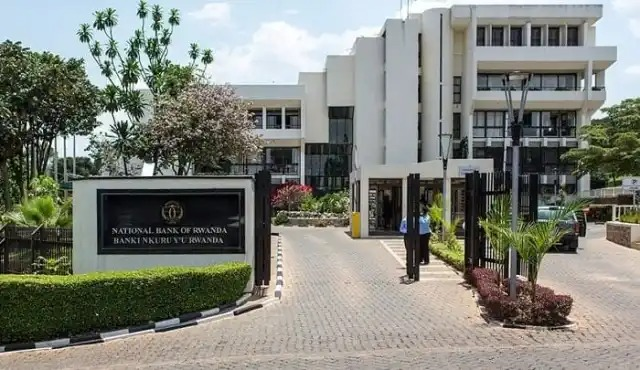
The National Bank of Rwanda (BNR) has increased its Central Bank Rate (CBR) from 8.75% to 9.5% as part of efforts to contain inflationary pressures and safeguard the country’s economic stability.

The announcement was made on Thursday, November 26, 2026, during a press briefing led by BNR Governor Soraya Hakuziyaremye. The briefing focused on the latest Monetary Policy Committee (MPC) decisions and the overall performance of Rwanda’s financial sector. According to the central bank, the decision reflects concerns over persistent increases in the prices of goods and services. By raising the benchmark interest rate, BNR aims to tighten monetary conditions, slow inflation and keep price increases within manageable levels.
ALSO READ: Ngoma: Residents Urged to Report and Stop Child Sexual Abuse
BNR Raises Interest Rate Amid Inflation Concerns
The latest increase follows a series of monetary policy adjustments implemented earlier this year as authorities sought to respond to inflationary trends affecting households and businesses. Central banks typically use interest rate increases to discourage excessive borrowing and spending, thereby easing pressure on prices. Governor Soraya Hakuziyaremye emphasised that maintaining price stability remains a key priority for the central bank. She noted that inflation can undermine purchasing power, increase the cost of living and create uncertainty for businesses and investors.
The Monetary Policy Committee also indicated that it would continue monitoring domestic and international economic developments that could influence inflation and financial market conditions. These include changes in global commodity prices, exchange rate movements and broader economic trends that may affect Rwanda’s economy.
ALSO READ: Nyagatare: Parents Urged to Rush Abused Children to Hospital
Higher Rates Could Increase Borrowing Costs
Economists note that although higher interest rates can help control inflation, they may also increase borrowing costs for individuals and businesses. Loans from commercial banks could become more expensive, potentially slowing investment and consumer spending. However, policymakers often consider such measures necessary to preserve long-term economic stability.
The central bank reiterated its commitment to taking appropriate measures whenever necessary to maintain macroeconomic stability and support sustainable economic growth. Future monetary policy decisions will depend on economic data and changes in the inflation outlook in the coming months. The increase in the Central Bank Rate to 9.5% signals BNR’s continued efforts to keep inflation under control while maintaining the resilience of Rwanda’s financial system amid changing economic conditions.