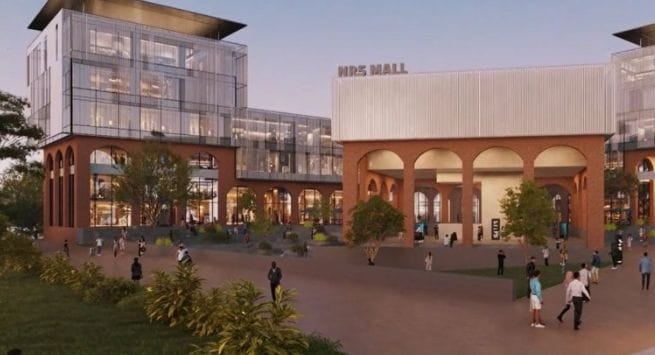




















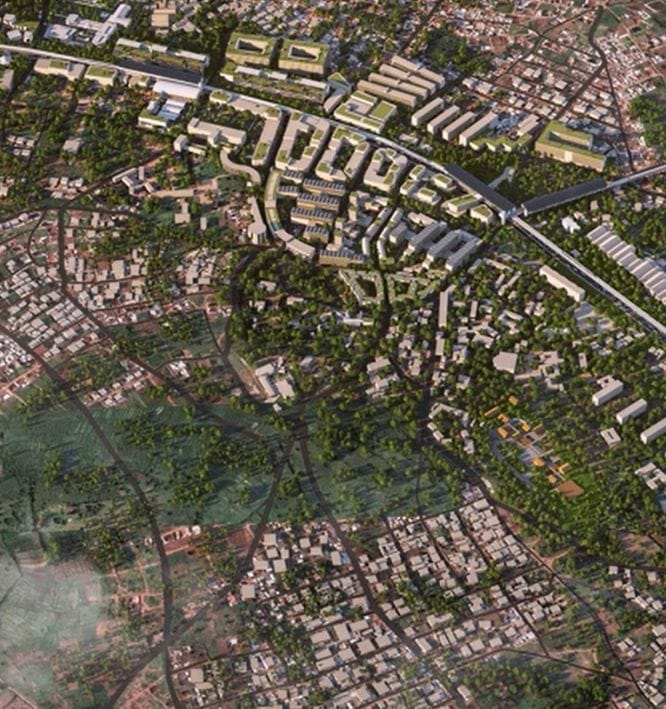
Bugesera District is set for major transformation in the coming years, with plans to develop a city around the new airport, establish a railway connection, expand industrial and commercial zones, and promote lake-based tourism.

By 2050, Bugesera could become one of Rwanda’s major centres for air transport, international trade, industry, education, sports and tourism. The vision includes an international airport surrounded by a modern city, industrial and commercial zones, hotels, residential developments and transport infrastructure connecting Rwanda to other countries in the region.
Traditionally known for agriculture, livestock farming and its lakes, the district is now being positioned for a broader economic transformation. These developments are outlined in the Bugesera District Land Use Master Plan 2024–2050, which sets out how towns, infrastructure, residential areas and economic activities are expected to expand.
The plan envisions Bugesera as a hub for knowledge, business, sports and tourism. Among its major proposals are a railway connecting the district to other regional destinations, a business and industrial zone in Gashora, a transport and logistics centre in Mwogo, and tourism investments around its lakes. The district is also expected to host international Formula 1 races following the 10-year agreement Rwanda signed with Formula 1 organisers on 13 October 2026.
ALSO READ: https://agaciropress.com/netanyahu-rival-gadi-eisenkot-given-chance-to-form-israeli-government/
Bugesera’s Population Could Exceed 1.2 Million by 2050
Figures from the 2022 Population and Housing Census show that Bugesera had a population of 551,103. The master plan projects that the population could increase to 792,915 by 2035 and reach 1,206,500 by 2050. This would mean more than doubling the district’s population compared with 2022.
In 2022, approximately 40.1% of residents lived in urban areas. By 2050, this proportion is projected to reach 85.1%, equivalent to 1,026,500 people. The remaining 180,000 are expected to live in rural areas. To accommodate this growth, the plan provides for the expansion of Bugesera town and the development of different zones with specialised functions.
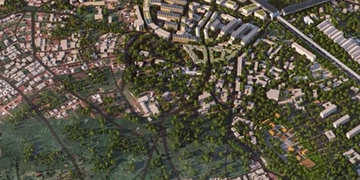
Bugesera town is expected to become one of three satellite cities around Kigali, alongside Muhanga and Rwamagana. These cities are intended to help ease pressure from population growth, housing demand and economic activities concentrated in the capital. The main urban area in Bugesera will comprise two key locations: Nyamata and the area planned around the airport, covering nearly 305 square kilometres.
Nyamata is expected to remain a centre for commerce, financial services, administration and other economic activities. Meanwhile, the airport area will focus on passenger and cargo transport, hotels, warehousing, industry and international services. Smaller towns are also planned in Ruhuha and Rweru, where commercial activities, public services and housing will be developed. This is intended to reduce the need for residents to travel to Nyamata or Kigali to access essential services. For those who will continue living in rural areas, the master plan identifies 77 settlement sites in planned villages.
Airport City Expected to Drive New Development
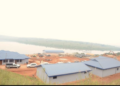
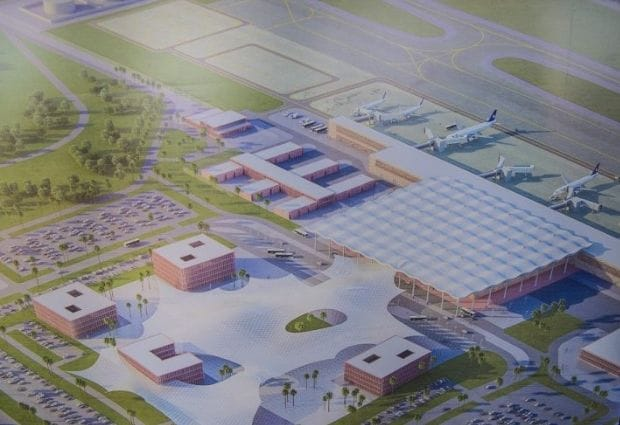
One of the major projects expected to drive this transformation is the new Kigali International Airport under construction in Bugesera. The airport, which is expected to begin operations in 2028, is projected to strengthen Rwanda’s position as an air transport hub for passengers and cargo. The project is valued at USD 2 billion and is being implemented through a partnership between Rwanda and the Qatar Investment Authority.
In its first phase, the airport is designed to handle seven million passengers annually, with plans to increase capacity to eight million and later to 14 million in subsequent phases. It will also have the capacity to handle up to 150,000 tonnes of cargo annually. An area surrounding the airport has been designated for a development known as Airport City. It is expected to include commercial facilities, hotels, office buildings, residential housing, health services, industries and cargo warehouses.
More than 2,000 hectares have been allocated for this development, which is expected to require private sector investment across various industries. Planned activities include cold-storage facilities, agro-processing industries, aircraft maintenance and repair services, cargo transport and businesses linked to air travel.
ALSO READ: https://agaciropress.com/netanyahu-rival-gadi-eisenkot-given-chance-to-form-israeli-government/
Railway to Connect Bugesera to Regional Destinations
Beyond air transport, the master plan provides for Bugesera to become part of a railway network intended to improve the movement of people and goods across Rwanda and the region.
The proposed railway will run from Rusumo, on the Rwanda-Tanzania border, to Kigali, with branches planned to connect the main line to Bugesera Airport and the Kigali Logistics Platform cargo zone. A railway station is planned near the airport, allowing passengers and goods from different parts of Rwanda and the region to reach the airport by train.
ALSO READ: https://agaciropress.com/apr-fc-extends-hakim-kiwanukas-contract-until-2029/
Road Network and Bus Stations to Support Connectivity
While the railway project is still planned, road infrastructure developments are already underway.In October 2026, the Rwanda Transport Development Agency (RTDA) announced that construction of a dedicated 11.6-kilometre road connecting the airport to the existing road network was progressing. The road will serve airport users, investors and residents in surrounding areas. Other roads are also planned for improvement to connect Nyamata, the airport, different towns and industrial zones.
The master plan further provides for a modern bus station in Nyamata, estimated to cost Rwf 4 billion. In Ruhuha and Rweru, bus stations estimated at Rwf 600 million each are also planned. These facilities are intended to make it easier for people arriving by train or plane to continue their journeys using buses, passenger vehicles, motorcycles and other forms of transport without travelling long distances to find alternative transport.
Formula 1 Could Make Bugesera a Sports and Tourism Hub
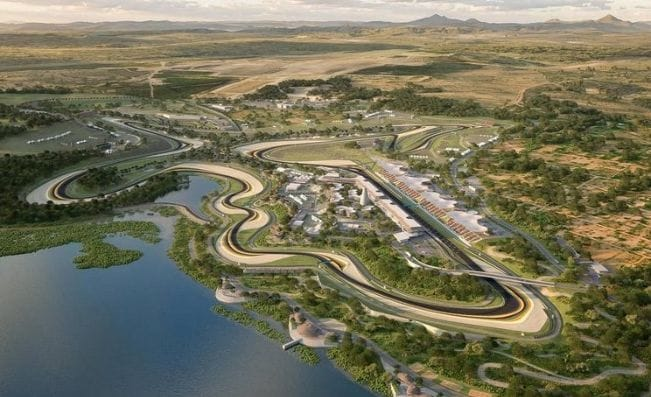
Another major project expected to contribute to Bugesera’s transformation is a dedicated Formula 1 racing circuit, which is projected to host its first race in the early 2030s. On 13 October 2026, Rwanda and Formula 1 organisers announced a 10-year agreement to host the Formula 1 African Grand Prix.
The agreement provides for Formula 1 races to return to Africa for the first time since 1993. The circuit will be built in Bugesera, near the new airport. Its preliminary design shows a track approximately six kilometres long, featuring 17 corners. It will pass through an area featuring two hills and Lake Kidogo, with the natural terrain expected to contribute to the uniqueness of the circuit.
The track is projected to have an elevation change of 197 metres per lap, exposing drivers to climbs, descents and sharp corners. Beyond the racing circuit, the project includes surrounding facilities intended to accommodate fans, drivers, team staff and other visitors. The races could support the growth of hotels, transport services, restaurants, entertainment, tourism and other businesses. The facilities are also expected to serve purposes beyond Formula 1, hosting other sporting, business and entertainment activities.
Major Industrial and Commercial Zones Planned
Trade and industry are also central to Bugesera’s planned economic transformation. Approximately 1,884 hectares have been allocated for industrial activities across the district. The land is divided between light industries, including agro-processing, manufacturing and warehousing, and heavy industries.
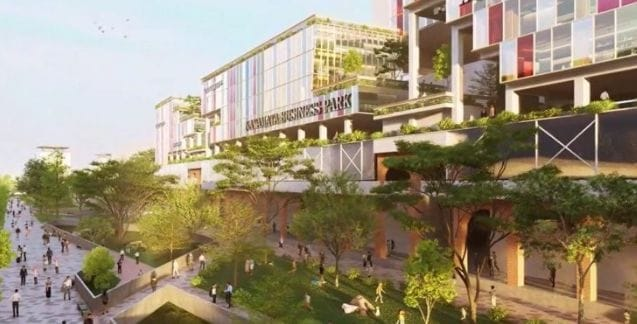
The existing Bugesera Industrial Park, which currently covers 100 hectares, is planned for expansion by an additional 435 hectares. In Gashora Sector, a dedicated Special Economic Zone is planned to attract investment in industry, trade and manufacturing. Meanwhile, Mwogo is expected to host a Logistics Park for transport and cargo storage, potentially connected to the railway network.
The centre will help receive, store and dispatch goods to different destinations within Rwanda and across its borders. The master plan also proposes organising industrial activities in a way that prevents potentially polluting industries from being located close to residential areas. Buffer zones are planned around industrial areas to separate factories from homes. These spaces could accommodate less disruptive activities such as warehousing, research institutions, vocational schools and green spaces.
ALSO READ: https://agaciropress.com/manuel-neuer-suffers-tendon-injury-faces-weeks-on-the-sidelines/
More Than 470,000 Jobs Projected by 2050
Investment in industry, transport, tourism and trade forms the basis of projections that Bugesera could have up to 470,648 jobs by 2050. Trade and services, including hotels, offices, shops, transport and warehousing, are expected to account for approximately 225,008 jobs, representing nearly 48% of the projected total.
A further 57,602 jobs are projected in other service activities, including business and technology zones. According to the master plan, most service-sector employment opportunities will be concentrated in Nyamata and the city planned around the airport.
Lakes to Become a Foundation for Tourism Development
Bugesera’s lakes and their surrounding landscapes are expected to play an important role in the district’s tourism development. The district is reported to have nine lakes, including Rweru, Cyohoha Sud, Cyohoha Nord, Kidogo, Rumira, Gashanga and Mirayi.
The master plan proposes using these natural resources to develop water-based tourism, bird watching, relaxation facilities, boat trips and other leisure activities. Four key tourism investment areas have been identified: Ntarama, Gashora, Rweru and Cyohoha. In Gashora Sector, near the airport, investment will focus on Lakes Kidogo, Rumira, Gashanga and Mirayi.
Plans include improving roads leading to the lakes, establishing water-based leisure activities and attracting investment in hotels that can accommodate passengers travelling through the airport and visitors from different countries. One of the road projects outlined in the master plan is a 35-kilometre road around Lakes Rumira and Mirayi, estimated to cost Rwf 19.6 billion.
At Lake Cyohoha, tourism activities are planned to attract visitors from Rwanda, Burundi and other countries. Among the proposed investment opportunities is a four-star hotel in the Shami area, with an initial estimated value of USD 35 million. Another proposal is Cyohoha Water Park in Kamabuye Sector, where family and children’s entertainment facilities and boat trips are planned.
In Rweru, tourism activities are expected to focus on bird watching, rural visits, water trips and experiences linked to the local environment. In Ntarama, near Kigali, a centre is planned to provide tourists with information about places to visit, available tourism services and cultural activities. The area will focus on explaining history, visits to the Ntarama and Nyamata Genocide Memorials, bird-watching tourism in the Nyabarongo and Akanyaru areas, and cycling races.
ALSO READ: https://agaciropress.com/louise-mushikiwabo-says-she-still-has-strong-energy-to-serve-the-oif/
Modern Housing, Schools and Health Facilities
The master plan also provides for the development of different types of housing in urban areas, including multi-storey buildings, medium-sized houses and properties combining residential and commercial activities. It prioritises the availability of schools, health facilities, markets, gardens, sports facilities and community gathering places within residential areas.
The aim is to reduce the distances residents travel to access basic services, ensuring they do not have to go to Nyamata or Kigali for every essential need. In education, plans include expanding primary and secondary school capacity, developing vocational schools and supporting educational and research institutions. Bugesera already has institutions such as RICA, Ntare School and Blue Lakes International School, which could provide a foundation for the district’s education development. In the health sector, the plan also proposes expanding and improving hospitals and health centres to respond to the needs of a growing population.
Clean Water and Agriculture Remain Priorities
Population growth, industrial activities and hotels are expected to increase water demand in Bugesera. The capacity of water treatment plants is therefore planned to increase, with the aim of supplying 109,500 cubic metres of water per day by 2050. Proposed developments include constructing a new water treatment plant in the Mwogo-Juru area and expanding existing facilities, including Kanyonyomba, Kanzenze and Ngenda.
Agriculture will also remain an important part of the district’s economy. According to the master plan, 51.9% of Bugesera’s land will be allocated to agriculture to protect productive land and support food security. Plans include expanding irrigation and introducing agricultural technologies, particularly in Mwogo, Musenyi, Shyara, Nyarugenge, Kamabuye, Juru and Gashora. As towns and economic activities expand, measures are also planned to protect lakes, wetlands, forests and other natural environments, ensuring that industrial development and housing do not damage Bugesera’s natural resources.