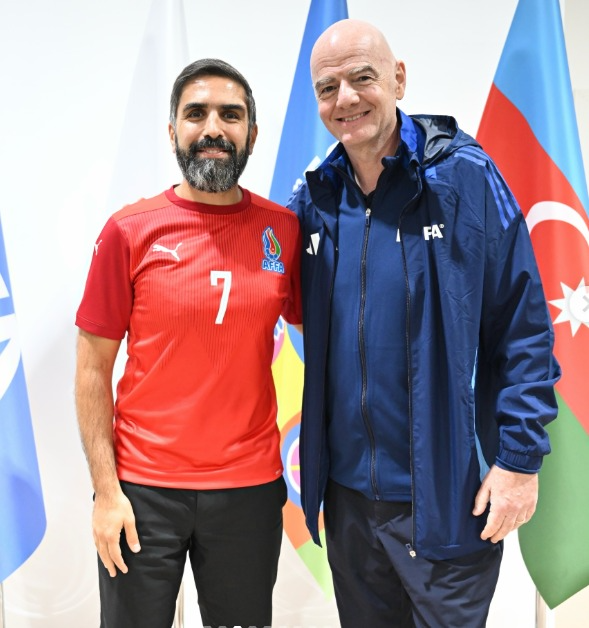
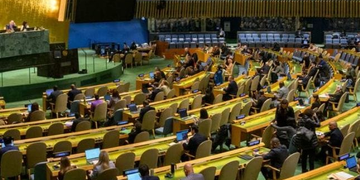





















FIFA President Gianni Infantino has opened the door to a possible expansion of the 2030 FIFA World Cup from 48 to 64 national teams, a proposal that could create opportunities for more countries to compete in football’s biggest tournament. The proposed expansion would add 16 teams to the competition, potentially giving nations that have traditionally struggled to qualify a better opportunity to reach the global stage.

Speaking to Swiss media outlet Bluewin in July 2026, Infantino said the proposal would be examined and discussed by FIFA’s relevant committees after the 2026 World Cup. He argued that the tournament should represent the entire world rather than mainly serving traditional football powers in Europe and South America. He also said smaller countries needed opportunities to participate to maintain their motivation to develop the game.
Infantino defended the expansion from 32 to 48 teams for the 2026 tournament, describing the new format as a major success. He pointed to the performance of African teams, with nine of the continent’s 10 representatives reaching the knockout stage.
ALSO READ: https://agaciropress.com/kigali-joins-st-louis-partnership-to-open-new-opportunities-for-residents/
Africa Could Benefit from Proposed Expansion
A possible increase to 64 teams could create additional qualification opportunities for African countries, depending on how FIFA distributes places among the continental confederations.
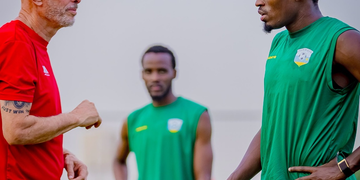
For countries such as Rwanda, whose national team is still pursuing its first-ever World Cup appearance, additional qualification places could provide renewed hope of reaching the tournament. However, participation would still depend on performance in the qualifying campaign and the allocation of places to each confederation.
ALSO READ: https://agaciropress.com/us-congressman-praises-rwanda-after-visiting-the-country/
Six Countries to Host the 2030 World Cup
The 2030 edition will mark 100 years since the first FIFA World Cup, which was held in Uruguay in 1930. The tournament will be hosted mainly by Morocco, Spain and Portugal, while Uruguay, Argentina and Paraguay will each stage one match to mark the centenary celebrations.
If the proposed expansion is approved, the 2030 edition would become the largest World Cup in history, requiring additional matches and greater logistical arrangements involving stadiums, accommodation and transport.

Proposal Faces Opposition
Despite the potential to give more countries access to the tournament, the proposal has attracted criticism from some football officials. Critics have raised concerns that increasing the number of teams could make the competition longer, add pressure to players and create further organisational challenges for host countries.
UEFA President Aleksander Ceferin and Asian Football Confederation President Sheikh Salman bin Ibrahim Al Khalifa have previously expressed opposition to the proposal, citing concerns about the tournament’s size and competitiveness. FIFA’s assessment of the proposal has also been expected to examine competitive balance, player welfare, the international football calendar and the financial implications of expansion.
Is the 64-Team Format Confirmed?
No. FIFA has not officially approved a 64-team format for the 2030 World Cup. In July 2026, Infantino said the proposal would be examined by FIFA’s relevant committees. Later that month, Reuters reported that FIFA was seeking an independent agency to assess the potential impact of increasing the tournament to 64 teams.
However, the proposal’s future remains uncertain. A report published by The Times on November 6, 2026, said Infantino had reportedly indicated to leaders of FIFA’s continental confederations that he would not pursue further expansion of the men’s World Cup if re-elected. For now, the 2030 tournament remains planned around the existing 48-team format, pending any official decision by FIFA.
The debate over expansion highlights the challenge of balancing wider global participation with the tournament’s competitiveness, players’ welfare and the demands of hosting a larger competition.