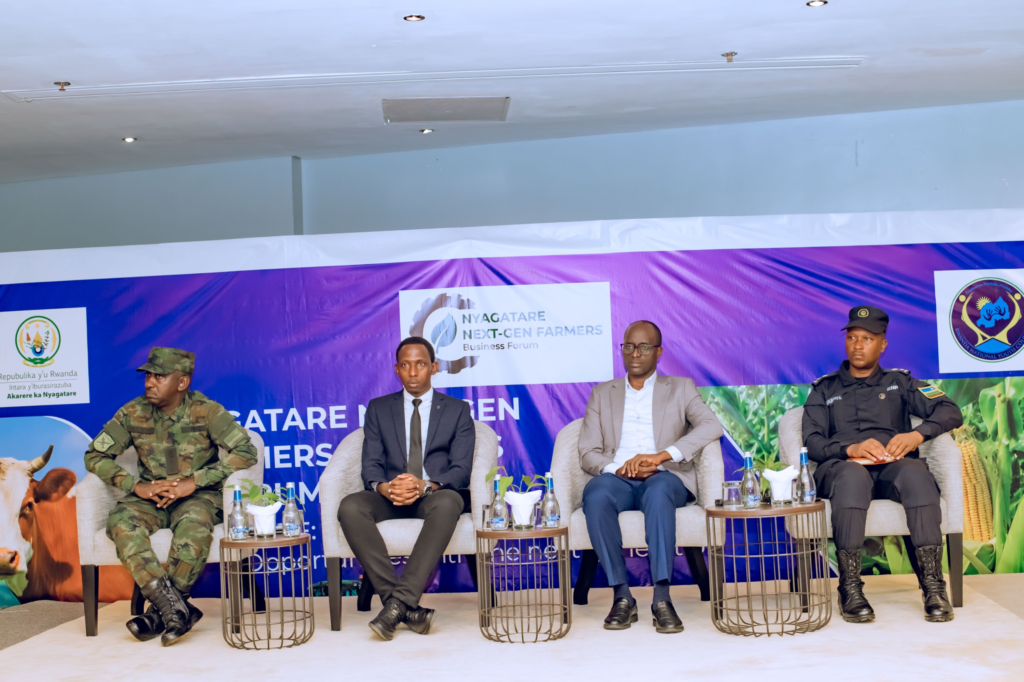
















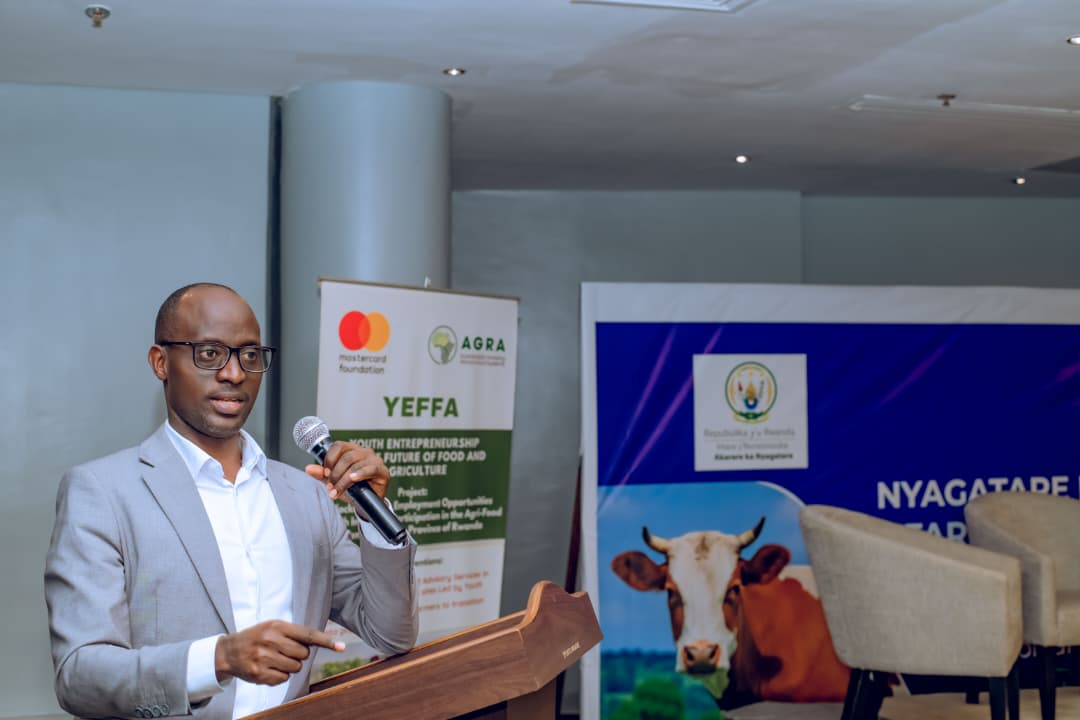
In an effort to encourage young people to engage in income-generating activities and make better use of the opportunities available to them today, Mayor of Nyagatare District, Kakooza Henry called on the youth to think long-term and avoid spending large amounts of money on luxury items that do not create sustainable value. Instead, he urged them to invest in productive sectors, especially agriculture and livestock farming.

ALSO READ: Rwandan agricultural exports 2026 generate 14.7 Rwf billions in 5 days
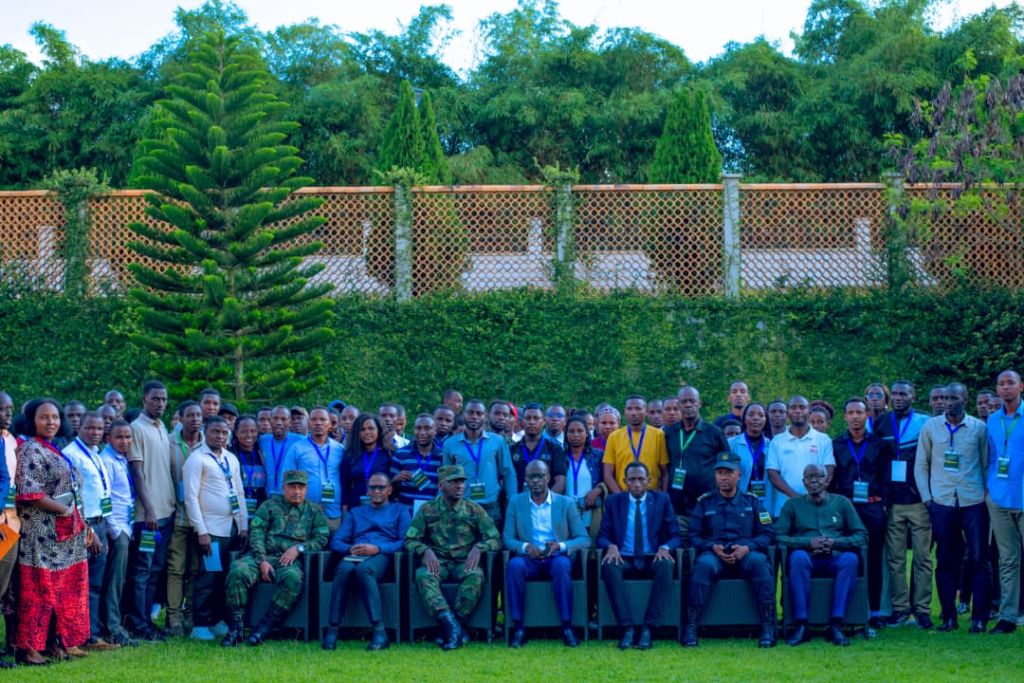
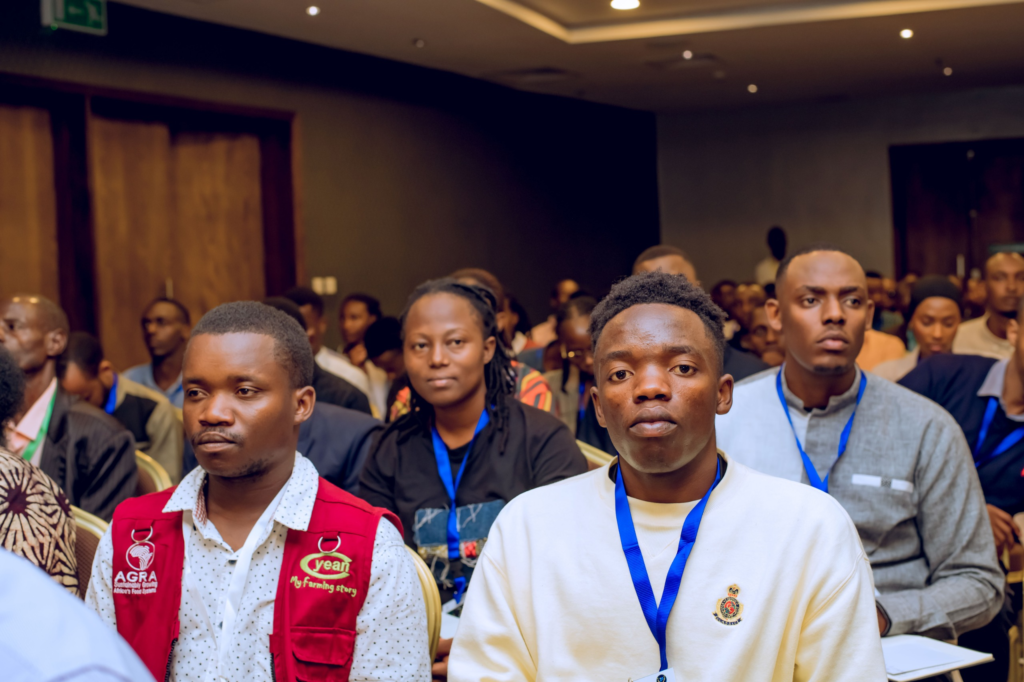
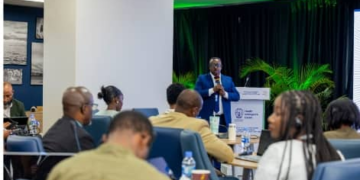
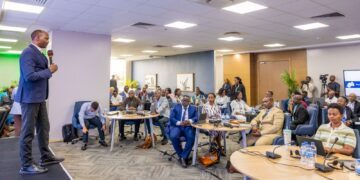
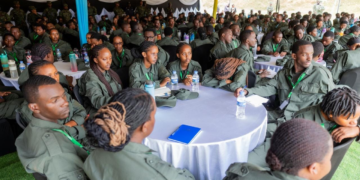
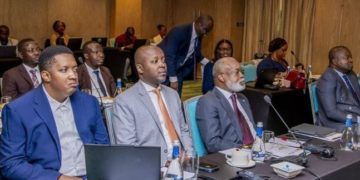
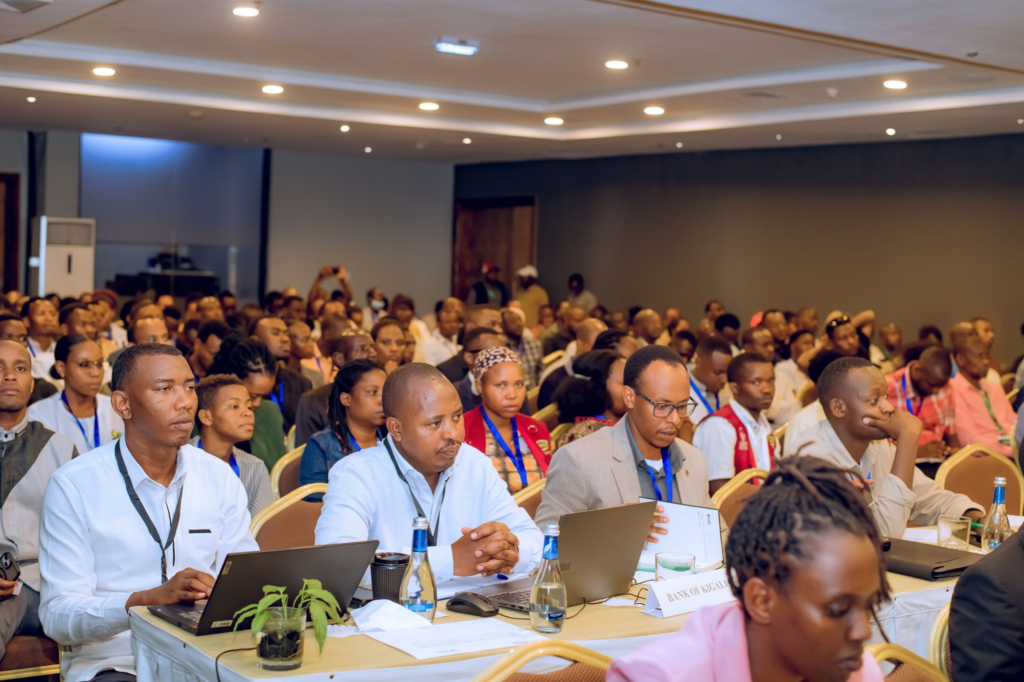
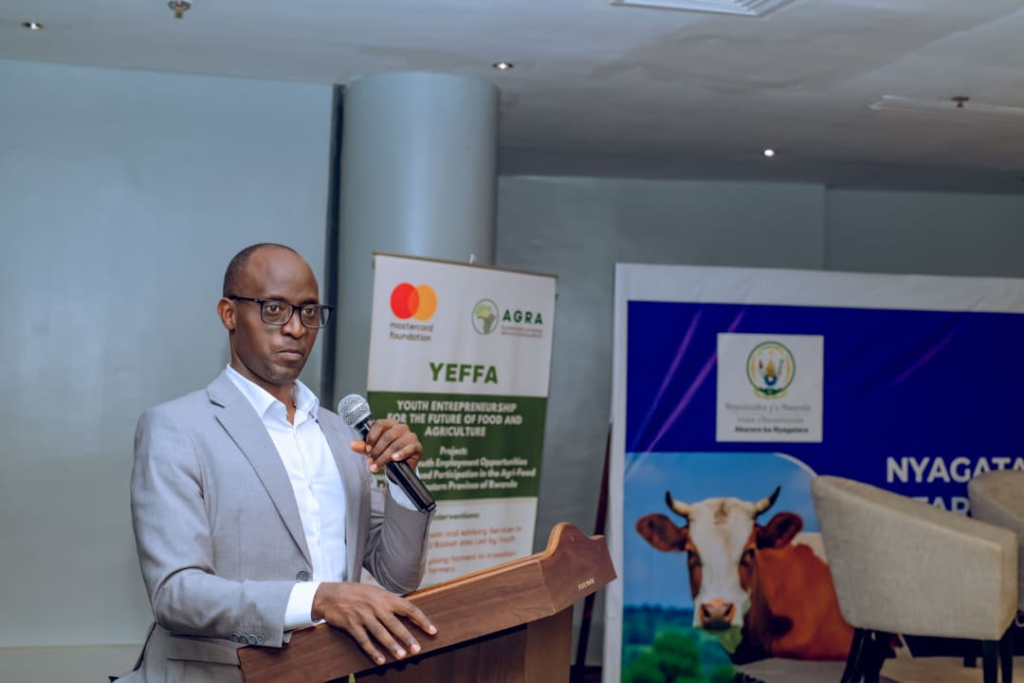
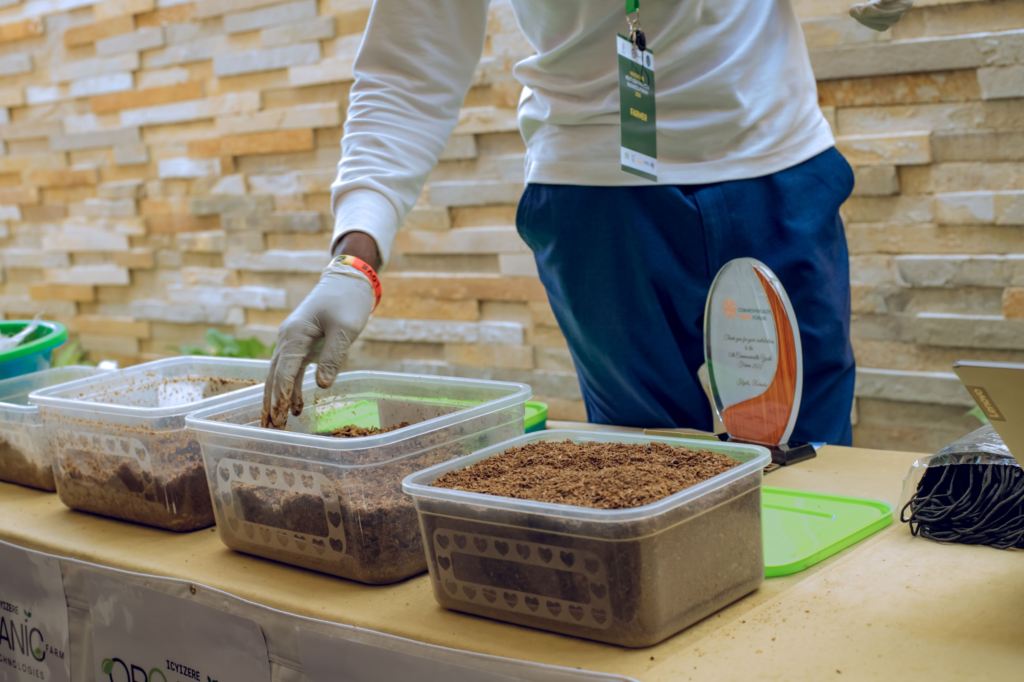
The Mayor made the remarks on May 22, 2026, during the “Nyagatare Next-Gen Farmers Business Forum 2026,” held in Nyagatare. The forum brought together young people from different parts of the country to discuss how youth can invest in modern agriculture and animal husbandry using technology.
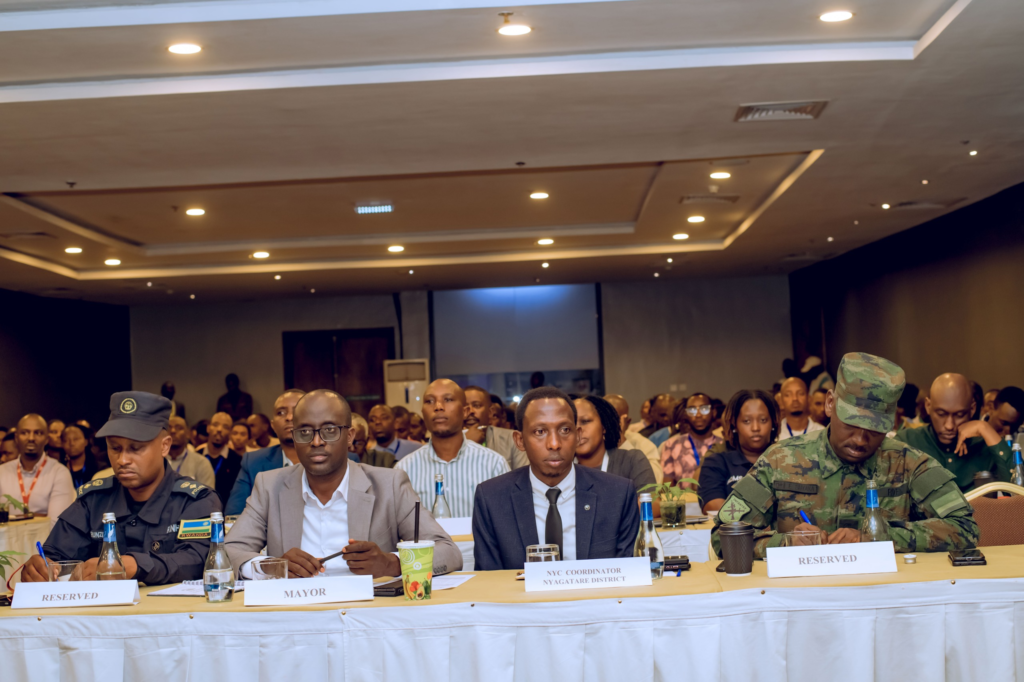
“Your iPhone 17 Could Become an Investment”
While addressing participants, Mayor Kakooza emphasized that today’s youth have more opportunities than previous generations and should use them wisely to build their future and contribute to national development.
He said: “Young people should think beyond today. Instead of buying an iPhone 17 worth nearly RWF 3 million that brings no long-term benefit, invest that money in something profitable. That money is actually capital. Within a few months, it could grow into RWF 5 million and help you progress in life. That iPhone 17 worth nearly RWF 3 million is actually capital.”
He added that the future of Rwanda’s economy lies in the hands of the youth, urging them to adopt a mindset focused on entrepreneurship and sustainable income generation.
He said: “When we were your age, we did not have the opportunities you have today. We used the little we had wisely. You now have many opportunities, and technology is making things even easier. What we expect from you is to think far ahead.”
Agriculture and Livestock Are Key to Rwanda’s Economy
Mayor Kakooza stressed that agriculture and livestock farming remain the backbone of Rwanda’s economy and require energetic young people who can modernize the sector through professionalism and technology.
He stated: “Today, agriculture and livestock are leading Rwanda’s economy. The country needs young people who can practice these activities professionally and in ways that align with technological advancement.”
He also commended young people who have already ventured into agriculture and livestock farming, encouraging them to continue innovating and inspiring others who are still hesitant.
He commended: “We appreciate the youth who have already taken initiative. Continue innovating and reach out to others who are still afraid, showing them through testimony that success is possible.”
Minister Utumatwishima Warns Against Youth Unemployment and Idleness
The Mayor’s message echoed recent remarks by Dr. Utumatwishima Jean Nepo Abdallah, the minister of of Youth and Arts,who stated that despite government programs aimed at reducing unemployment and supporting young people, there are still major challenges related to idleness and low levels of education among some youth.
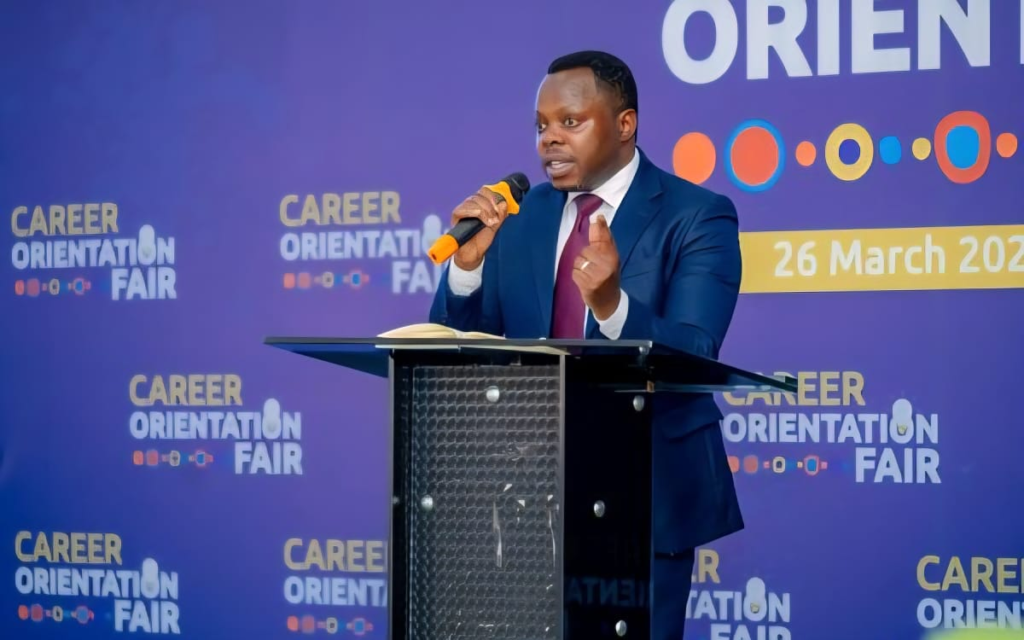
Speaking on Rwanda Television on May 5, 2026, Dr. Utumatwishima explained that Rwanda’s youth population, defined as people between 16 and 30 years old, accounts for four million people, representing 27% of the country’s population.
According to the Minister, 52% of those four million youth already have decent jobs, while another 24% are still in school, particularly those aged between 16 and 25.
However, he noted that the remaining 24% are considered unemployed, including a concerning category of young people who are physically capable of working but unwilling to seek employment.
He noted: “Youth unemployment currently stands at 14%, while another 10% of young people simply do not want to work, regardless of whether they are educated or not. They wake up in the morning without motivation to look for work despite having the energy to do so.”

Low Education Levels and Rural Living Still Challenge Employment
Dr. Utumatwishima further explained that many young people seek money through negative means such as theft and other illegal activities instead of using available opportunities productively.
He also highlighted that 70% of Rwanda’s youth live in rural areas, while nearly 50% have only completed primary school education, making it difficult for them to compete in the modern job market.
He said: “Most of them live in rural areas and only completed primary school. Finding employment opportunities for them becomes extremely difficult.”
To address these challenges, the government has introduced several measures, including expanding technical and vocational education. The Minister said the goal is for 60% of students to pursue vocational and technical training to better prepare them for the labor market.
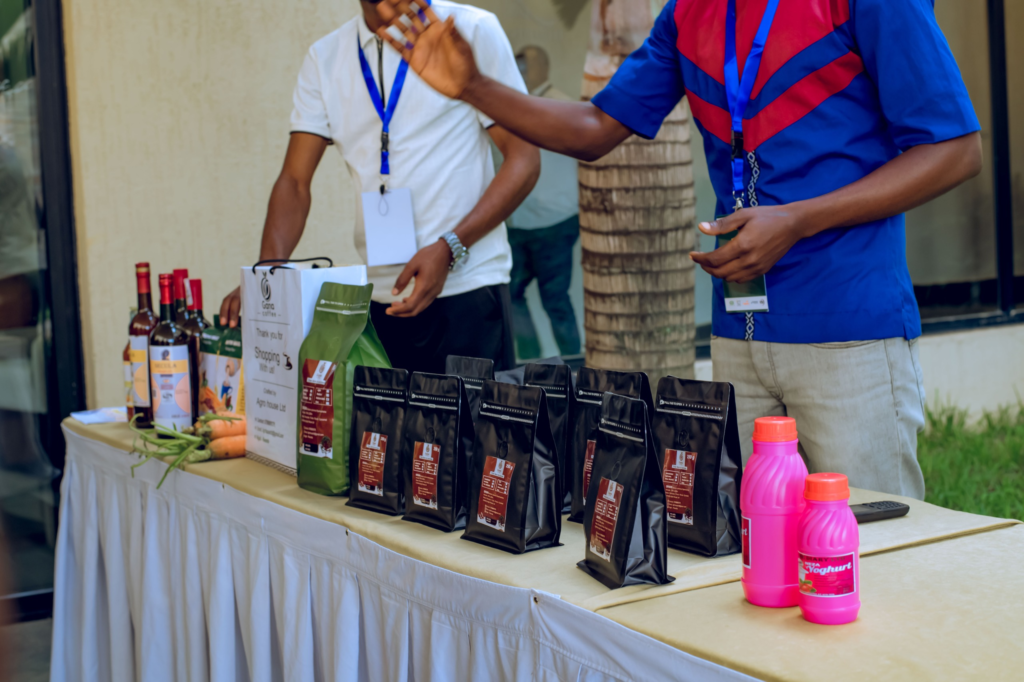
The government has also launched employment programs for rural youth, including road maintenance and water infrastructure projects, which have already created thousands of jobs across the country.
Youth Participants Say the Forum Changed Their Mindset
Several young participants at the “Nyagatare Next-Gen Farmers Business Forum 2026” said the event transformed how they view agriculture and livestock farming.
Uwase Aline said she previously believed farming was only for older or uneducated people: “I used to think agriculture was for elderly people or those without education. But what we learned here showed me that modern farming supported by technology can generate significant income.”
Another participant, Mugisha Eric, said the forum changed his understanding of self-employment: “We were used to thinking success only meant getting an office job. Today I realized that livestock farming and modern agriculture can make someone wealthy and even create jobs for others.”
Rural Youth Inspired to Start Agribusiness Projects
Niyonzima Jean Claude from Nyagatare Sector said the forum opened his eyes to the business opportunities available in modern livestock farming.
He said: “I used to see livestock farming as an ordinary rural activity, but here they showed us how someone can run a large livestock project and earn substantial income. I am now preparing to start a modern poultry farming project.”
The “Nyagatare Next-Gen Farmers Business Forum 2026” demonstrated the important role young people can play in transforming Rwanda’s agriculture and livestock sectors, especially when they combine innovation, technology, training, and support from local leadership.