



















The Eastern Province administration has confirmed that 108 local government officials have been implicated in the production, brewing, and sale of substandard alcoholic beverages.

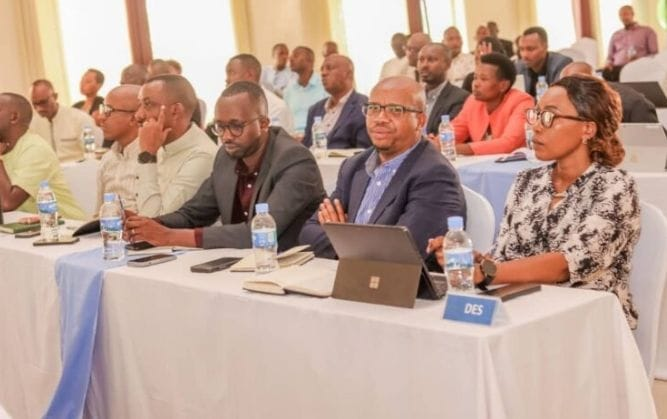
The announcement was made during the Eastern Province Joint Action Development Forum meeting held in Rwamagana on August 5, where one of the key issues discussed was the growing problem of substandard alcoholic drinks, which provincial authorities described as an epidemic.
Governor Says Illegal Alcohol Is a Public Health Threat
Eastern Province Governor Rubingisa Pudence explained that authorities have intensified efforts to crack down on the illegal beverages. Investigations revealed that some local leaders were directly involved in the illicit trade, prompting disciplinary measures including dismissal from office and prosecution.
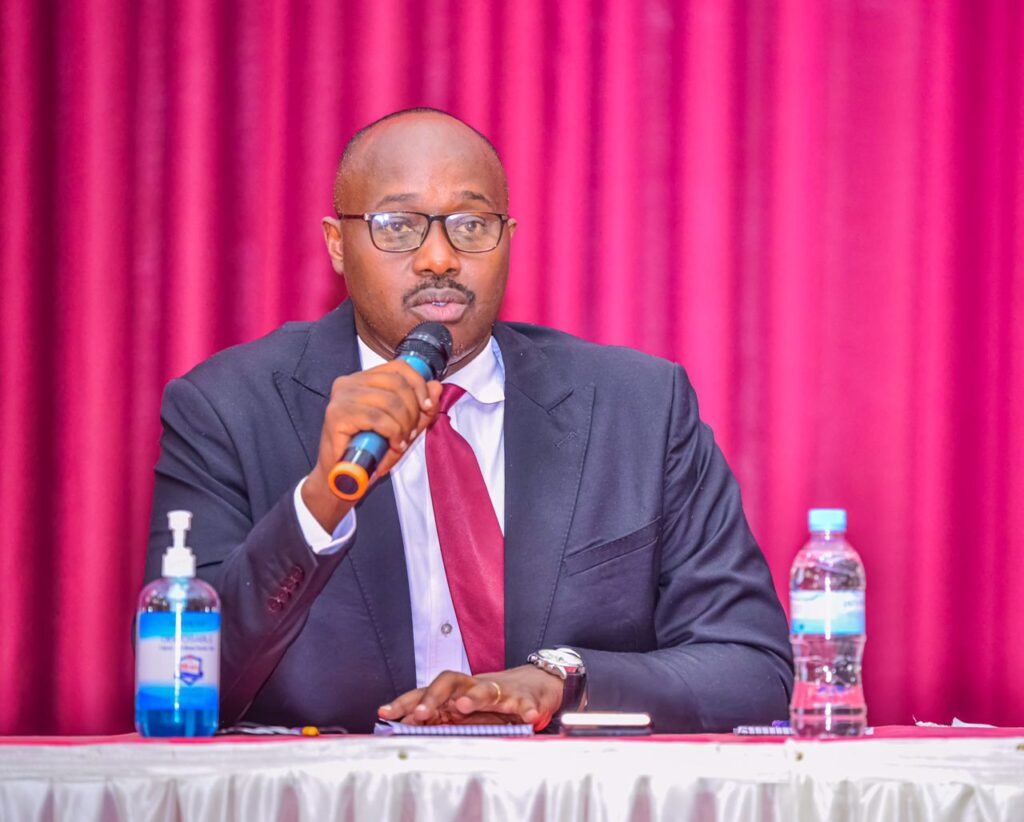
“We have treated these illegal alcoholic beverages as an epidemic. They are essentially poison because they often contain harmful chemicals that end up in people’s bodies, where they should never be,” Governor Rubingisa said.
Investigations Reveal Local Leaders’ Involvement
He added that recent inspections and enforcement operations uncovered the involvement of some officials who were supposed to combat the illegal trade. Instead, they were found brewing, producing, and selling the beverages, while others protected those engaged in the activities.
“Across the entire province, we have identified 108 people serving in various local government positions who were either directly involved or failed to take action until these activities began harming residents,” he said.
Authorities Urge Public to Report Offenders
The operation is ongoing to identify other officials involved in similar activities. Residents have also been urged to report any local leaders or individuals participating in the production, brewing, or sale of substandard alcoholic beverages, as they pose a serious threat to public health.
Officials Sanctioned in the Crackdown
Among the officials sanctioned are two cell executive secretaries, two presidents of cell councils, six community health workers, 56 village chiefs, 15 security officers, seven members of the community policing committee (DASSO), and several others.