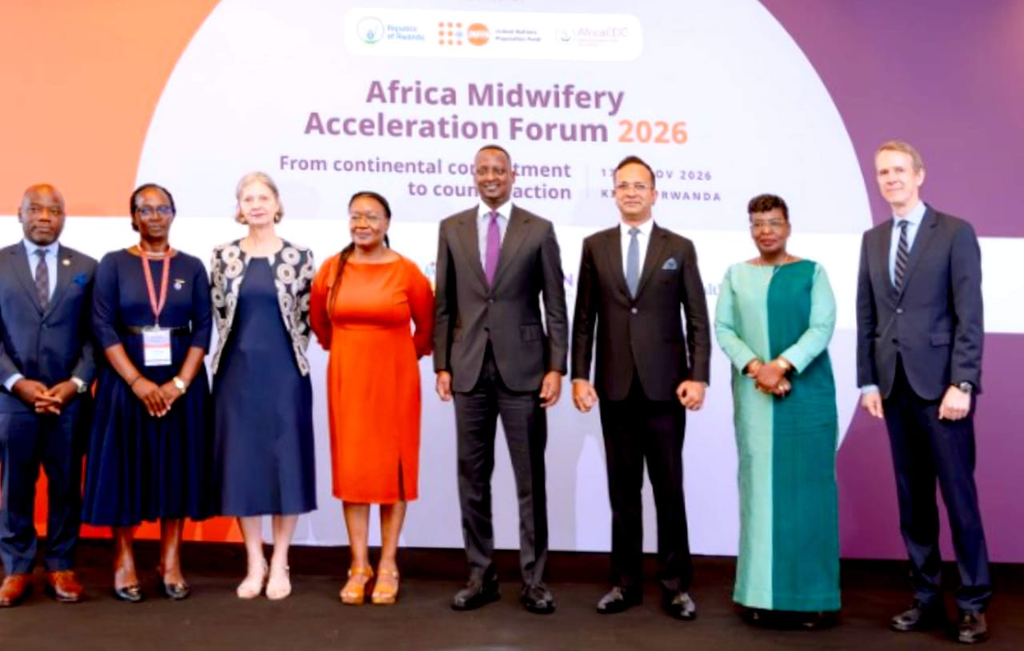

























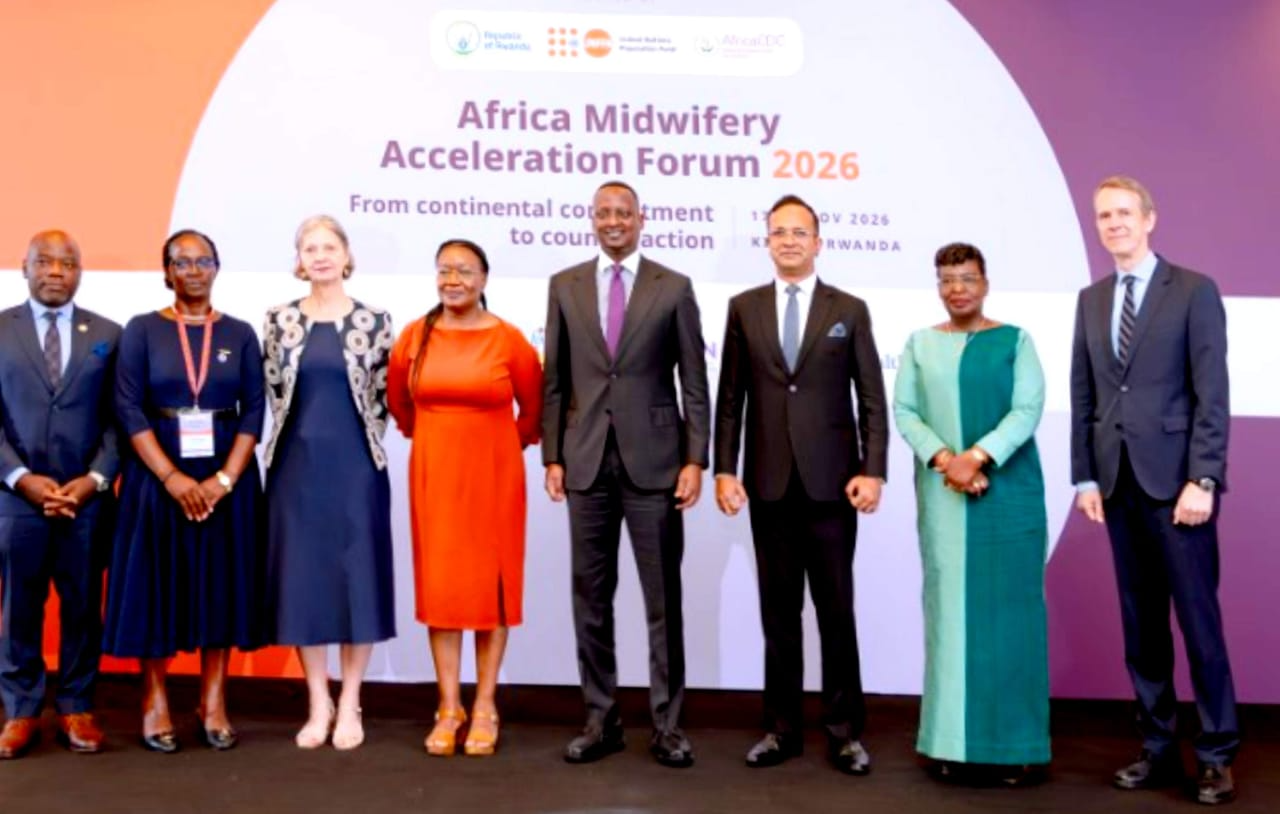
Eastern and Southern Africa is facing a shortage of more than 307,000 midwives, highlighting the challenges affecting maternal and newborn healthcare across the region. The shortage was highlighted on November 17, 2026, during the opening of the Africa Midwifery Acceleration Forum, which brought together approximately 200 participants from 43 countries.

Midwives play a critical role in healthcare, providing care to women during pregnancy, childbirth and the postnatal period, while also supporting the health of newborn babies. The Director of the United Nations Population Fund (UNFPA) for Eastern and Southern Africa, Lydia Zigomo, said expanding access to midwifery services could help prevent 67% of maternal deaths, 64% of newborn deaths and 65% of stillbirths.
she said”This is what it takes to save the lives of 4.3 million people every year. Even if their number increased by 25% over five years, it would save 2.2 million lives. However, Africa is still facing serious challenges,” Zigomo added that Eastern and Southern Africa needs 307,000 additional midwives, while North Africa and the Arab States face a further shortage of 128,000.
She said: “In Eastern and Southern Africa, there is a shortage of 307,000 midwives, while North Africa and the Arab States need 128,000 midwives. These shortages are caused by the unequal distribution of healthcare workers, policies that restrict their professional activities, and other challenges within healthcare systems,”
She also identified limited recognition and appreciation of midwifery as another challenge. In some countries, the profession is not given the recognition and professional standing it deserves. She said: “If we do not provide the necessary resources to enable midwives to perform their duties, we will experience an increase in unintended pregnancies, unsafe abortions, new HIV infections, and other sexually transmitted infections. This will increase the burden on healthcare systems at both national and local levels,”
ALSO READ: Rwanda: Startups Could Receive Up to €100,000 in Funding to Expand Their Businesses
Rwanda Increases Investment in Midwifery Training
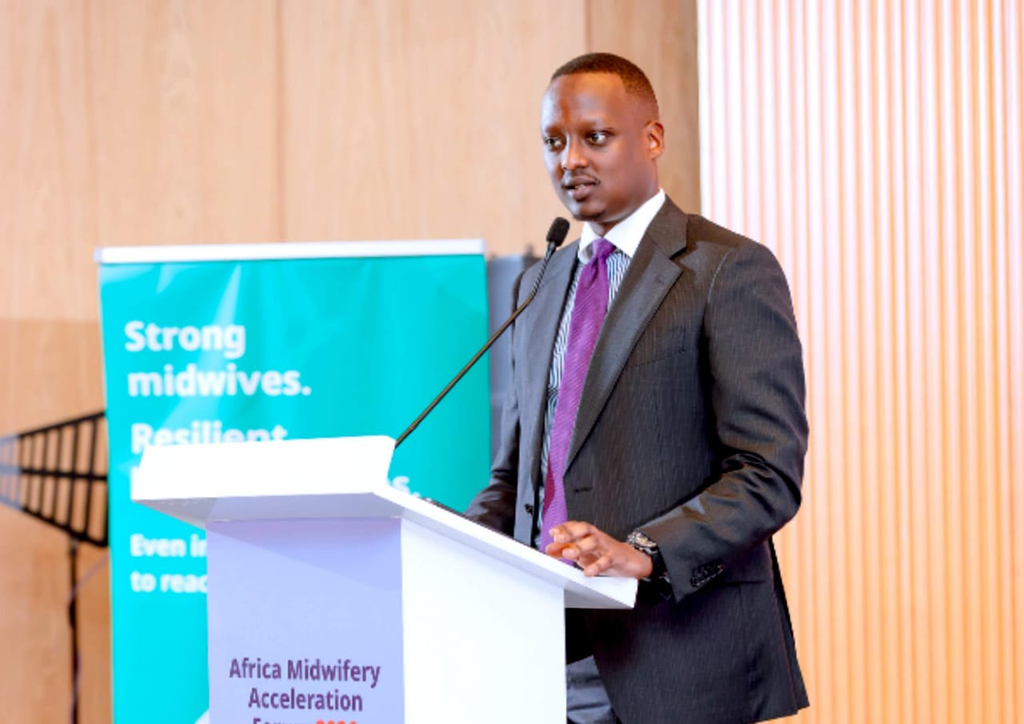
Rwanda’s Minister of State in the Ministry of Health, Dr Yvan Butera, said the shortage of midwives has been a longstanding challenge, but the government is taking steps to address it through various initiatives, including the 4×4 Health Workforce Reform. He said Rwanda had previously trained approximately 72 midwives annually, but the number of students admitted to midwifery programmes had increased significantly.
Butera said: “Over the past three years, we were training only about 72 midwives annually. This year, we admitted 1,050 students who have started their studies. We recognise that midwives play an important role in the healthcare sector, which is why we must invest in them. We started by providing training, but we are also expanding our efforts into other necessary areas, such as providing the required equipment and other resources,”
He explained that increasing the number of midwives and encouraging women to give birth in healthcare facilities had contributed to reducing maternal and newborn deaths. He said: “Over the past 25 years, we have reduced maternal deaths by 85%, as well as child deaths. However, there are some areas where we have not made progress at the pace we would like. In Rwanda, nearly 50% of deaths among children under five are newborn deaths. Of every two children who die before reaching the age of five, one dies before completing the first 28 days of life,”
Butera emphasised that midwives are particularly important during the first hours and days after childbirth, when newborns require close attention and care. He added”Normally, a midwife is the first person to care for a baby during the first hour after birth, the first day, and the first week. If we want to continue saving children’s lives, we must keep investing in the people who care for them from the very beginning of their lives,”
ALSO READ: Rwanda in Talks with Five European Countries Over Receiving Rejected Asylum Seekers
Midwives Face Challenges in Training and Career Development
Dr Jemima Dennis-Antwi, a midwife from Ghana, said the profession also faces challenges related to education, employment and career advancement in some African countries.She noted that some midwives do not receive sufficient opportunities to advance their education, while others complete their studies but struggle to find employment.
She said: “If Africa prioritises midwives, trains them to acquire the appropriate skills, places them where they are needed across all healthcare service delivery systems, including leadership positions, and gives them opportunities for career advancement, significant changes can be achieved. The poor statistics that Africa records in maternal and newborn health can be improved,” Her remarks highlighted the need for governments to invest not only in training more midwives but also in creating employment opportunities and ensuring that qualified professionals are deployed where their services are most needed.
ALSO READ: Mushikiwabo to Remain OIF General Secretary Until 2028 After Leaders Fail to Agree on Successor
Rwanda’s 4×4 Health Workforce Reform
Rwanda’s efforts to increase the number of midwives form part of the 4×4 Health Workforce Reform, launched in 2023 to quadruple the country’s health workforce within four years. The initiative aims to increase the number of healthcare professionals across different fields, including doctors, nurses, midwives, pharmacists, dental surgeons and allied health professionals.
According to Rwanda’s Ministry of Health, the reform targets an additional 32,973 trained health professionals by 2028. The government has also focused on expanding training capacity, strengthening educational institutions, recruiting qualified instructors and providing the equipment needed to improve the quality of healthcare training.
The increased enrolment of midwifery students, from approximately 72 annually to 1,050 in 2026, is among the measures intended to address the shortage. As African countries continue to face challenges in maternal and newborn healthcare, investment in midwives remains an important part of efforts to improve access to quality healthcare and reduce preventable deaths.