




















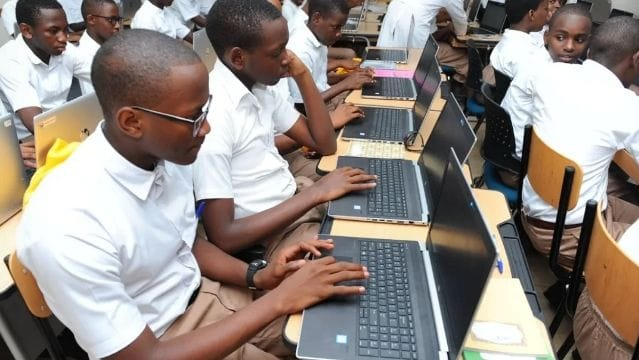
Thirty students have begun studying Generative Artificial Intelligence (AI) in a new programme designed to strengthen Rwanda’s capacity to develop its own AI technologies and applications.

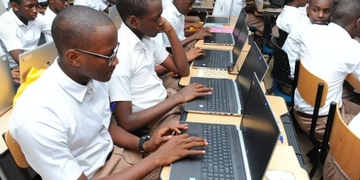
The programme aims to equip young people with the skills to create technological solutions that address various challenges facing the country, rather than relying solely on applications developed elsewhere. Launched in September 2026, the programme is being delivered at Rwanda Coding Academy, a school in Nyabihu District specialising in computer programming, technology and computer science.
The Director General of the Rwanda Technical and Vocational Education and Training Board (RTB), Eng. Paul Umukunzi, announced the development during a press briefing following visits to various technical, vocational and professional schools. He explained that the programme seeks to prepare young people to develop artificial intelligence technologies and applications, rather than remain users of tools created in other countries.
Mauricio Pochettino Gets Emotional as He Bids Farewell to USMNT Ahead of Manchester United Move
Rwanda Coding Academy was established by the Government of Rwanda in 2019 to develop talented and motivated young people in technology, particularly computer programming and computing. Umukunzi said the curriculum had been developed in collaboration with foreign experts to equip students with the knowledge and skills needed to create solutions powered by Generative AI.
He added that the courses form part of the secondary-level technical and vocational education programme, with students who successfully complete them receiving a secondary school certificate. Eligible applicants are students who have completed Ordinary Level (O-Level) and demonstrated ability in science subjects.
ALSO READ: NIDA to Resume e-ID Registration and Biometric Data Capture Across Rwanda
Rwanda Seeks Capacity to Develop Its Own AI Applications
The RTB Director General said one of the main reasons for introducing the programme was to bridge the gap between using artificial intelligence tools developed abroad and having the expertise to build such technologies locally. He said: “We currently use other people’s AI tools, and we do not know where the data we feed them goes. We therefore want to build Rwandan AI tools, so that in the near future we will have experts in artificial intelligence technology,” .
The initiative reflects Rwanda’s ambition to develop local expertise capable of creating applications tailored to the country’s needs and increasing its contribution to the advancement of artificial intelligence. The courses are currently being delivered through collaboration between Rwandan teachers and experts and specialists from abroad. This approach is intended to strengthen the capacity of local trainers so they can independently deliver the programme in the future.
Umukunzi acknowledged that although Rwanda already has people with expertise in artificial intelligence, their numbers remain limited compared with the country’s needs. he said: “We already have Rwandans who have become experts in this technology, but they are not very many, which is why we have also brought in foreigners,”
ALSO READ: Rwanda National Police Hosts and Educates Solid Foundation Students
RTB Considers Expanding AI Courses to Universities
RTB has also announced that it is considering introducing Generative AI-related courses at university level, allowing students who complete secondary school with this knowledge to advance their skills. Expanding the programme to universities could help increase the number of specialists capable of developing technological applications, conducting research and creating solutions for different sectors. These include education, agriculture, healthcare and business, where AI-powered applications could help address challenges and improve service delivery.
Generative AI is a type of artificial intelligence that can produce new content, including text, images, audio, videos and computer programmes, based on the instructions and data it receives. Its applications include writing, image creation, answering questions, analysing data and assisting with software development.