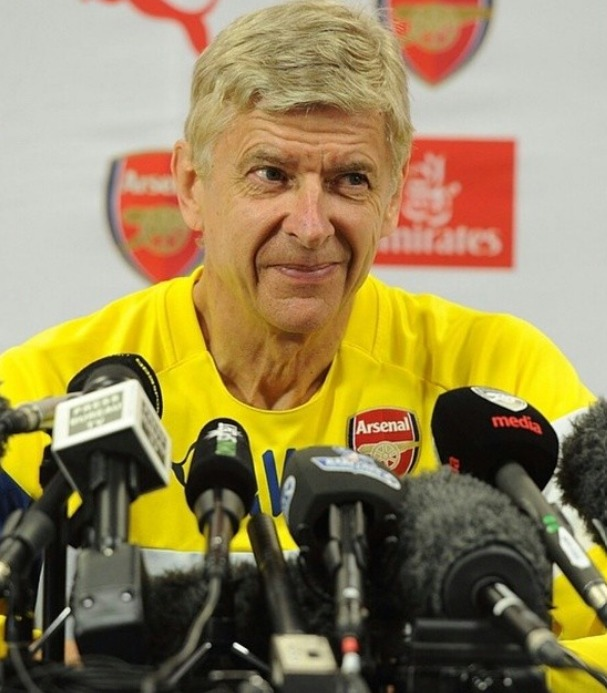
















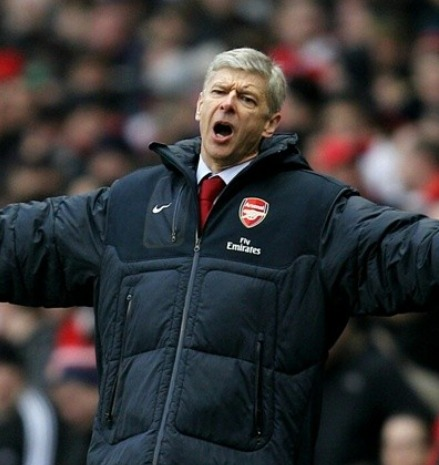
Former Arsenal manager Arsène Wenger has decided not to challenge Gianni Infantino in the upcoming FIFA presidential election, bringing an end to speculation that he could emerge as a rival to the current president.

According to reports by BBC Sport and the Press Association published on November 15, 2026, Wenger has informed senior UEFA officials that he will not enter the race. His decision comes after weeks of speculation about a possible challenge, with European football authorities reportedly viewing him as a credible alternative to Infantino, who is seeking another term as FIFA president.
The development follows reports that French President Emmanuel Macron had offered to support Wenger’s potential campaign by lobbying other world leaders. However, the former Arsenal manager has decided against pursuing the position.
ALSO READ: Rwanda National Police Hosts and Educates Solid Foundation Students
The Man Who Transformed Arsenal
Wenger remains one of the most influential managers in English football history. During his 22-year spell at Arsenal, from 1996 to 2018, he won three Premier League titles and seven FA Cups. His most celebrated achievement came during the 2003–04 season, when Arsenal won the Premier League without losing a single match. The team became known as The Invincibles, setting a record that remains one of the outstanding achievements in English football.
Beyond his trophies, Wenger influenced modern football management through his approach to nutrition, player development, tactical organisation and international recruitment. After leaving Arsenal in 2018, he joined FIFA in 2019 as Chief of Global Football Development.
His responsibilities include supporting football development across different regions, improving opportunities for young players and promoting the growth of the sport worldwide. His experience and international reputation had made him a potential candidate for FIFA’s top position. However, his decision not to run means UEFA must consider other options if it intends to support a challenger to Infantino.
ALSO READ: NIDA to Resume e-ID Registration and Biometric Data Capture Across Rwanda
Disagreement Between UEFA and Infantino
The possible presidential challenge emerged amid disagreements between FIFA and several football authorities over the proposed FIFA Forward Enterprise (FFE). The proposal involved establishing a commercial subsidiary to manage FIFA’s commercial and operational activities connected to major competitions, including the men’s and women’s World Cups.
It also attracted interest from private investors, with a proposed investment group expected to include Thrive Eternal, a company associated with Joshua Kushner. FIFA maintained that it would retain permanent ownership and control of the proposed subsidiary. However, UEFA and other football authorities raised concerns about the proposal, including questions surrounding transparency and the involvement of private capital in football’s commercial operations.
The plan was eventually abandoned following opposition from several football authorities, including UEFA, the Asian Football Confederation and Concacaf. The disagreement contributed to tensions between Infantino’s administration and European football authorities, with UEFA seeking a candidate capable of challenging the incumbent in the next election.
ALSO READ: It Is the Beginning of a New Step to Strengthen Our Cooperation_ President Kagame
Infantino’s Position Ahead of the Election
Infantino has served as FIFA president since 2016 and is seeking another term in the election scheduled for March 18, 2027, in Rabat, Morocco. His administration has overseen the expansion of the men’s FIFA World Cup from 32 to 48 teams, with the new format introduced at the 2026 tournament. The expansion was intended to provide more national teams with opportunities to participate in the competition, although FIFA’s broader commercial and organisational decisions have continued to attract debate.
Infantino has also maintained strong relationships with football associations across Africa, Asia and South America. These relationships are important because FIFA presidential elections are decided by votes from its member associations. Wenger’s withdrawal removes one of the potential challengers reportedly considered by UEFA. However, it does not mean Infantino’s re-election is automatic, as the nomination process remains open until November 18, 2026.
The decision leaves questions about whom UEFA might support as an alternative candidate and how the disagreements surrounding FIFA’s leadership will shape the next presidential election.