





















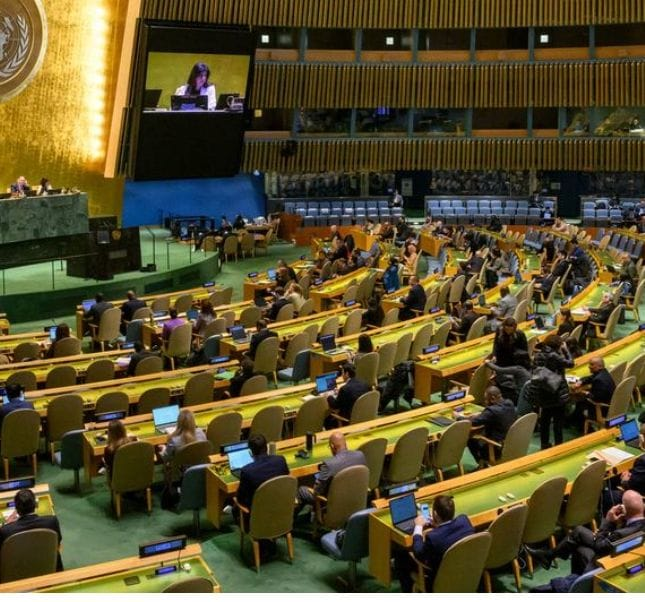
Rwanda was among the countries that supported a draft resolution tabled by Russia at the United Nations (UN), aimed at combating the glorification of Nazi ideology, racism and practices that promote hatred based on people’s origin.

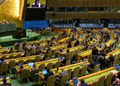
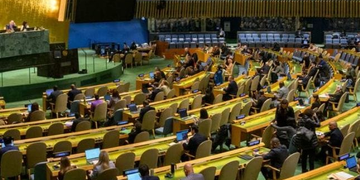
The resolution was voted on November 10, 2026, by the UN General Assembly’s Third Committee, which deals with social, humanitarian and human rights issues. A total of 179 countries voted, with 117 supporting the resolution, 53 opposing it and nine abstaining. Rwanda voted in favour alongside countries including Russia, which tabled the proposal, Kenya, Armenia and Azerbaijan.
On the other hand, countries that opposed the resolution included the United States, France, the United Kingdom, Germany, Canada, Ukraine, Italy, Japan, Australia, Poland, Portugal, Belgium and Austria. Turkey and Switzerland were among the countries that abstained.
ALSO READ: https://agaciropress.com/us-congressman-praises-rwanda-after-visiting-the-country/
What the Resolution Seeks to Address
The draft resolution, titled Combating Glorification of Nazism, Neo-Nazism and Other Practices that Contribute to Fuelling Contemporary Forms of Racism, Racial Discrimination, Xenophobia and Related Intolerance, seeks to address acts that glorify Nazi ideology and other practices that promote racism and discrimination. It urges countries to take measures to prevent the spread of ideologies based on discrimination, hatred and violence against people because of their race, nationality, religion or beliefs.
The resolution also condemns attempts to deny or distort the history of crimes against humanity and calls on countries to preserve the historical record of the Second World War. Among its other provisions, it condemns the use of educational curricula and materials that promote racism, hatred and violence based on people’s origin. Russia has submitted similar resolutions to the UN annually since 2005, arguing that they are intended to prevent the resurgence of Nazi ideology and protect the historical record of crimes committed during the Second World War.
ALSO READ: https://agaciropress.com/kigali-joins-st-louis-partnership-to-open-new-opportunities-for-residents/
Why Western Countries Opposed the Proposal
Although the resolution focuses on combating Nazi ideology and racism, it has generated disagreements between Russia and several Western countries, particularly over the war in Ukraine. These countries accuse Russia of using the fight against Nazi ideology as a justification for its military invasion of Ukraine, which began in February 2022.
Russia has repeatedly argued that one of its reasons for launching the invasion was to eliminate what it describes as Nazi ideology in Ukraine. Ukraine and countries supporting it have rejected this justification. During discussions ahead of the vote, Western countries supported an amendment condemning Russia’s use of the fight against neo-Nazism to justify its aggression against Ukraine. The amendment was adopted before the committee voted on the full draft resolution. Russia expressed dissatisfaction with the amendment.
ALSO READ: https://agaciropress.com/dande-junior-warns-against-misuse-of-his-name-in-illegal-activities/
Rwanda’s Position on Genocide Ideology and Hate Speech
Rwanda’s support for the resolution comes against the background of its longstanding emphasis on combating genocide ideology, racism and hate speech. The country experienced the 1994 Genocide against the Tutsi, during which more than one million people were killed in approximately 100 days.
Since then, Rwanda has continued to prioritise efforts to prevent and combat genocide ideology, genocide denial and trivialisation, as well as hate speech that could contribute to similar atrocities. However, Rwanda’s support for the resolution does not necessarily indicate support for Russia’s actions in the war against Ukraine. The vote on combating the glorification of Nazism is a separate issue from the conflict. The draft resolution is expected to be submitted to the UN General Assembly in December 2026 for a further vote before its final adoption.