

















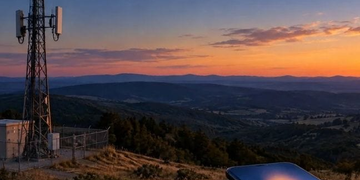













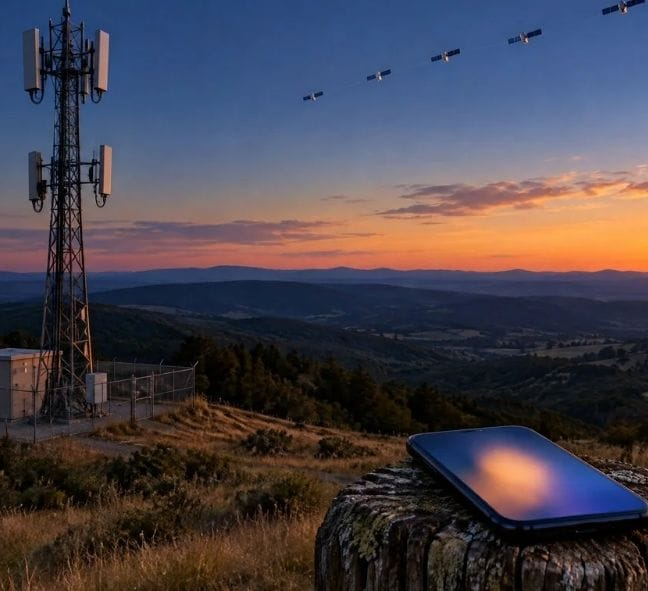
SpaceX has completed the design of a miniature communications tower intended for installation on rooftops, in a move aimed at improving mobile phone coverage in areas where satellite signals struggle to reach inside buildings.

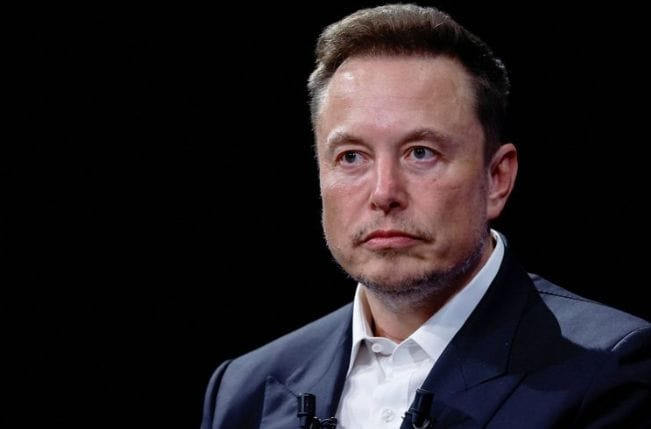
The company’s Chief Executive Officer, Elon Musk, said the devices are expected to enter production in 2027. He suggested they could be bundled with Starlink internet terminals. Speaking during an interview at the DealBook Summit, Musk explained that buildings with thick or metal roofs can block signals transmitted directly from satellites, creating connectivity gaps indoors. He said the rooftop devices would provide a terrestrial solution to complement SpaceX’s satellite-based network.
Direct-to-Cell V2 to Increase Network Capacity
The planned rooftop devices are part of SpaceX’s broader efforts to expand its Starlink Direct-to-Cell service. Musk said the company plans to launch its Direct-to-Cell V2 satellite constellation in 2027, which is expected to increase bandwidth by 40 times compared with the existing system.
The upgraded satellite network is intended to improve connectivity for mobile phones, while the proposed rooftop equipment would help address coverage challenges inside buildings. The combination of satellite connectivity, wireless spectrum and small terrestrial cellular stations is expected to strengthen the company’s hybrid network.
ALSO READ: Rwanda Converts Two World Bank Loans to Japanese Yen to Reduce Exchange Rate Risks
SpaceX Expands Its Wireless Spectrum
SpaceX’s efforts to develop a hybrid satellite and mobile network have included partnerships and major spectrum acquisitions. In November 2024, the US Federal Communications Commission (FCC) authorised SpaceX to provide supplemental satellite connectivity services in partnership with T-Mobile, allowing compatible mobile phones to connect through Starlink satellites without relying entirely on conventional cellular towers.
In September 2025, SpaceX reached an approximately $17 billion agreement with EchoStar to acquire wireless spectrum licences for its next-generation Direct-to-Cell network. TechCrunch also reported that SpaceX agreed in 2026 to acquire a portfolio of low-band spectrum valued at $8 billion, further expanding its wireless network resources.
ALSO READ: Police Urge Fans to Behave Responsibly Ahead of APR FC vs Rayon Sports Derby
Musk Says Traditional Telecom Companies Will Continue to Grow
SpaceX’s expansion into mobile connectivity has raised questions about the future of traditional telecommunications companies and whether satellite-based services could threaten their market position. However, Musk does not believe the company’s plans will drive established operators out of business.
He acknowledged that companies such as AT&T and Verizon could lose some revenue but argued that growing demand for internet bandwidth would create new opportunities for the telecommunications industry. Musk said future demand would be driven largely by artificial intelligence and humanoid robots, which he expects to require substantially more bandwidth than people. The proposed rooftop devices, alongside the planned satellite upgrades, represent another step in SpaceX’s efforts to expand connectivity and address mobile network coverage gaps.