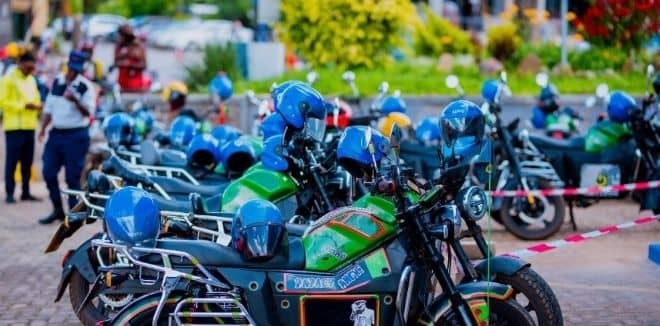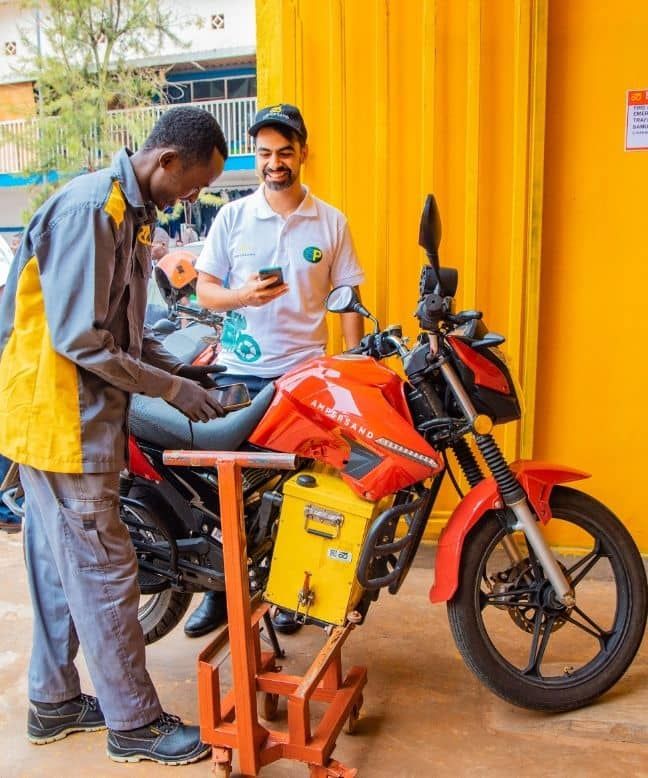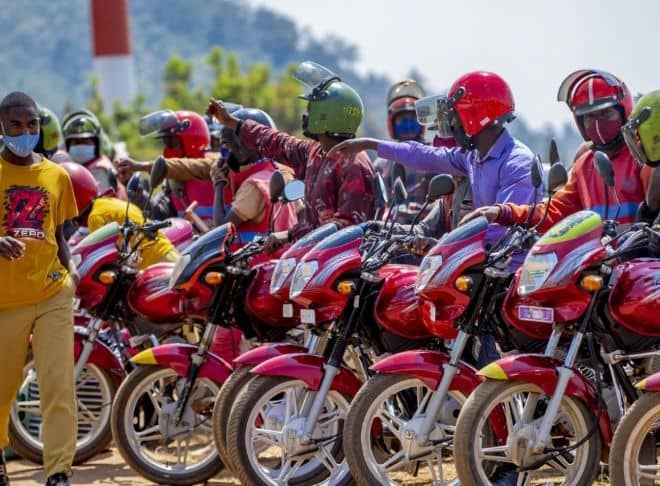
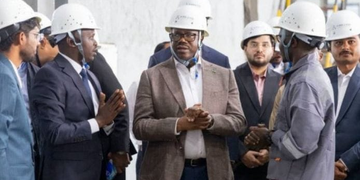




















The State Minister in the Ministry of Infrastructure, Amb. Jean de Dieu Uwihanganye, has announced that motorcycles powered by petrol or diesel will gradually be barred from entering the Rwandan market, as the country shifts toward electric motorcycles.

The move is part of Rwanda’s broader strategy to promote cleaner transport, reduce emissions, and modernize urban mobility.
Kigali Already Enforcing New Policy
In January 2025, a decision was made to stop issuing licenses for new commercial motorcycles (moto taxis) that run on fuel in the City of Kigali.
This measure specifically targets new entrants into the moto taxi business. It means that any new operator seeking authorization from RURA must use an electric motorcycle.
Authorities say the policy is helping accelerate adoption of electric transport solutions while encouraging investment in new technology.
Nationwide Expansion Planned
Amb. Uwihanganye noted that the policy is already yielding positive results and that it will soon be expanded to the national level.
He stated: “As you know, the government decided that passenger motorcycles should be electric, especially in the City of Kigali. In the near future, we will scale up this policy to cover the entire country. No motorcycle that is not electric will be allowed to enter the country, and all passenger motorcycles nationwide will follow this direction.”
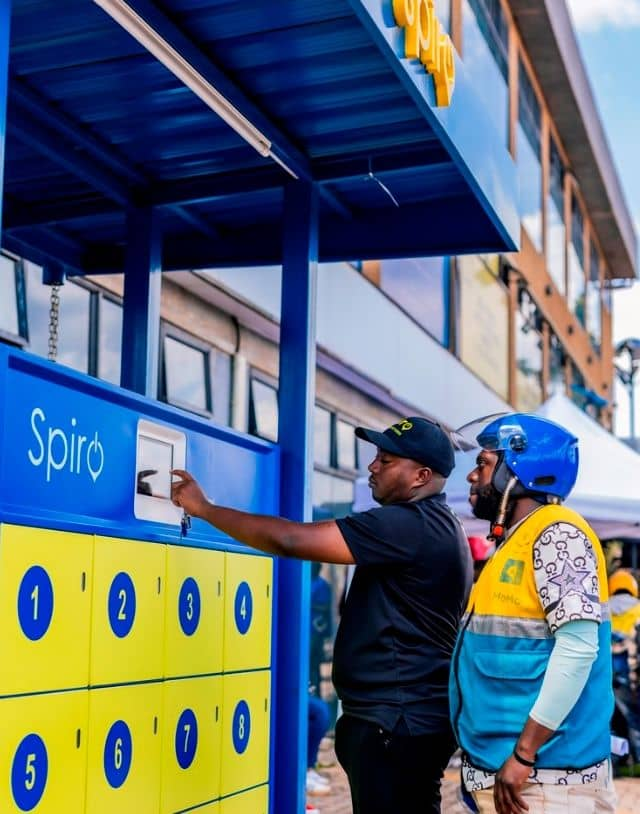
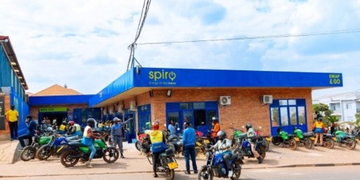
He added: “The market has already responded—there are importers bringing in motorcycles and others investing in charging infrastructure. While the transition is not yet perfect, the market has grown enough to allow us to expand this initiative.”
Electric Motorcycle Sales Continue to Rise
Statistics indicate that in 2025, at least 14,031 motorcycles were sold in Rwanda, representing a 28% increase compared to the previous year.
A significant proportion of these were electric motorcycles, which have grown by 686% since their introduction to the Rwandan market, according to data from motorcyclesdata.
Once the decision to stop registering fuel-powered motorcycles as a means of public transport is fully implemented, those already in operation will be allowed to continue functioning as usual.