

























The Ministry of Agriculture and Animal Resources says Food Basket Sites (FOBASI) will help increase Rwanda’s agricultural production, especially for staple crops. The program aims to raise crop yields by 6% each year. Officials say this will improve food security and help Rwanda become more self-sufficient in food production.

ALSO READ: Meet Me: The Life and Career of Irene Murindahabi
Minister of Agriculture and Animal Resources, Dr. Telesphore Ndabamenye shared this information during a radio talk show on March 15, 2026. He said the government is strengthening food basket zones and training farmers in modern farming methods. These methods help farmers produce more food even on small plots of land.
Population Growth Driving Agricultural Reforms
Dr. Ndabamenye said the initiative responds to Rwanda’s growing population and limited farmland. The population continues to grow, but the size of arable land remains the same.
He said Rwanda’s population may reach about 24 million by 2050, nearly double the current number. This growth means the country must produce more food from the land it already has.
The government created the Food Basket Sites program to increase production and prepare for future food demand.
600,000 Hectares Consolidated Under FOBASI
The government has already consolidated farmland across the country under the program. So far, it covers about 600,000 hectares.
Officials expect these coordinated farming zones to raise agricultural production by at least 6% each year. The program mainly targets staple crops that many Rwandans depend on for food.
Farmers Prepare for Season B Planting
The ministry also reported good progress in the 2026 Season B planting season.
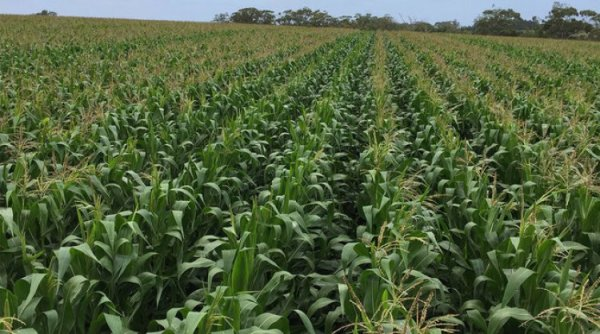
Dr. Ndabamenye said about 70% of farmers have already planted seeds. The number may reach more than 80% by the end of the week.
He said the rains arrived late this season but conditions have improved: “The rains delayed this season, but they eventually came. Production should be higher than last year, especially for maize. About 70% of farmers have already planted. The number will reach about 80% next week,” he said.
Modern Farming to Increase Yields
Dr. Ndabamenye said agricultural production has improved in recent years. Export crops increased strongly during the third agricultural season of 2024–2025. Staple foods such as beans, maize, and sweet potatoes grew by 4%. Overall agricultural production increased by 10%, including exports.
He said the FOBASI program promotes modern farming practices. These include land consolidation, fertilizer use, mechanization, and improved seeds.
However, he stressed that farmers still face challenges. Many need better access to seeds and fertilizers at the right time.
Currently, maize yields average about two tons per hectare in Rwanda. The government aims to increase this to eight to ten tons per hectare through improved farming practices and better support for farmers.