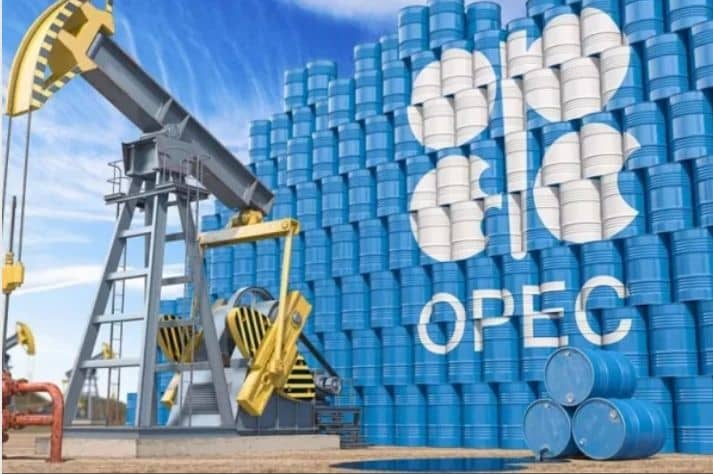
























The government said the move is part of its long-term plan to independently develop and manage its energy sector without relying on coordinated production frameworks with other oil-producing nations.

Suhail Al Mazrouei stated that the decision reflects policy changes aligned with long-term market-oriented principles.
ALSO READ: https://agaciropress.com/tom-ndahiro-genocide-deniers-memorials/
Commitment to Energy Security and Climate Goals
Although leaving OPEC and OPEC+, the United Arab Emirates said it remains committed to protecting energy infrastructure and reducing greenhouse gas emissions.
UAE Role in Global Oil Production
OPEC currently has 12 member countries, including six from Africa. The group accounts for around 36% of global oil production and controls nearly 80% of proven oil reserves worldwide. Saudi Arabia is the largest producer within OPEC, followed by Iraq. The United Arab Emirates ranks third, contributing about 15% of total OPEC production.
ALSO READ: https://agaciropress.com/rutsiro-district-employees-reinstated-justice/
UAE Plans to Boost Output
The United Arab Emirates currently produces around 2.9 million barrels of oil per day and aims to raise production capacity to 5 million barrels per day by 2027.