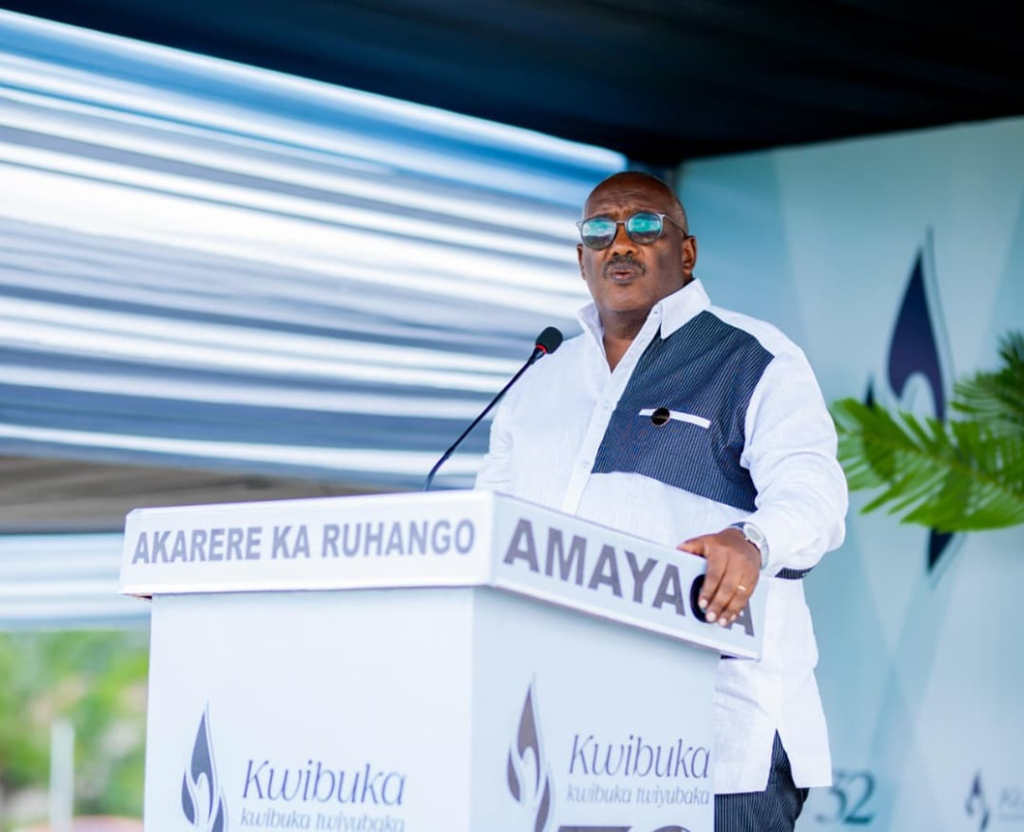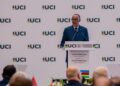
















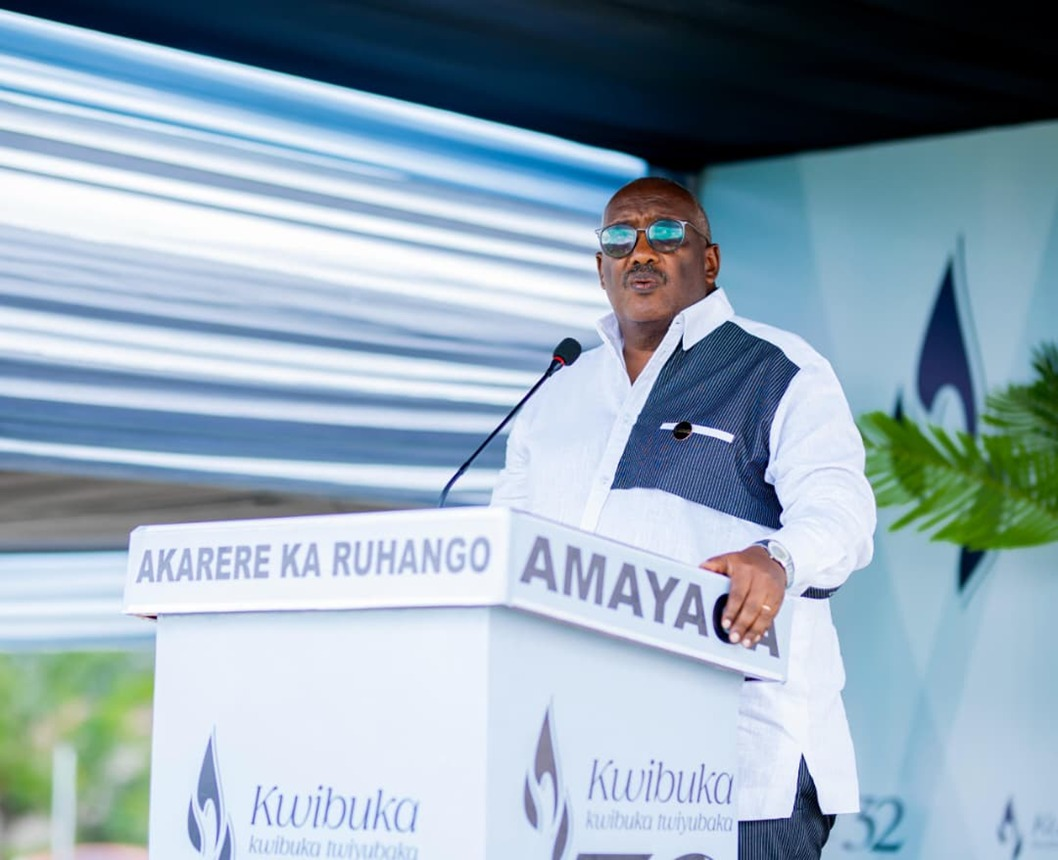
Professor and Senator Jean Pierre Dusingizemungu says it is time to rethink the continued reliance on diplomacy to address the issue of Burundians who participated in the Genocide against the Tutsi in Rwanda. According to him, years of diplomatic efforts between Rwanda and Burundi have failed to bring any concrete results.

ALSO READ: Rwandan Peacekeepers Welcome New UNMISS Head in South Sudan
He noted that survivors have repeatedly called on the Government of Rwanda to engage Burundi so that suspects can be identified, arrested, and prosecuted. However, despite these appeals, no meaningful progress has been made.
Burundians Played a Major Role in Killings
Dusingizemungu explained that Burundians were involved in killings across several parts of Rwanda, especially in Bugesera and Mayaga. He said many atrocities were committed by Burundian refugees who had been based in camps near the border.
He stated that in Mayaga, some of these perpetrators even trained local extremists in brutal methods of torture and killing.
He said, “Burundians who committed genocide in Rwanda killed Tutsi wherever they were camped. In Mayaga, they even taught some Hutu how to be cruel, including removing and roasting victims’ hearts. Now we are told to keep waiting for diplomacy so that they will be punished. We accept diplomacy, but it must be based on truth and justice. Things need to change.”
Burundi’s Leadership Accused of Protecting Genocidal Forces
Dusingizemungu argued that diplomacy is unlikely to succeed under the current leadership in Burundi. In his view, the country’s leaders continue to support genocidal groups such as Interahamwe and FDLR.
Because of this, he believes Burundi is unlikely to willingly hand over suspects involved in genocide crimes committed in Rwanda.
Call to Publish Book on Mayaga Atrocities
He also called for the urgent completion and release of a book documenting the role played by Burundians in the genocide in Mayaga. He said publishing the findings would help reveal the truth, challenge denial, and pressure Burundi to acknowledge its role.
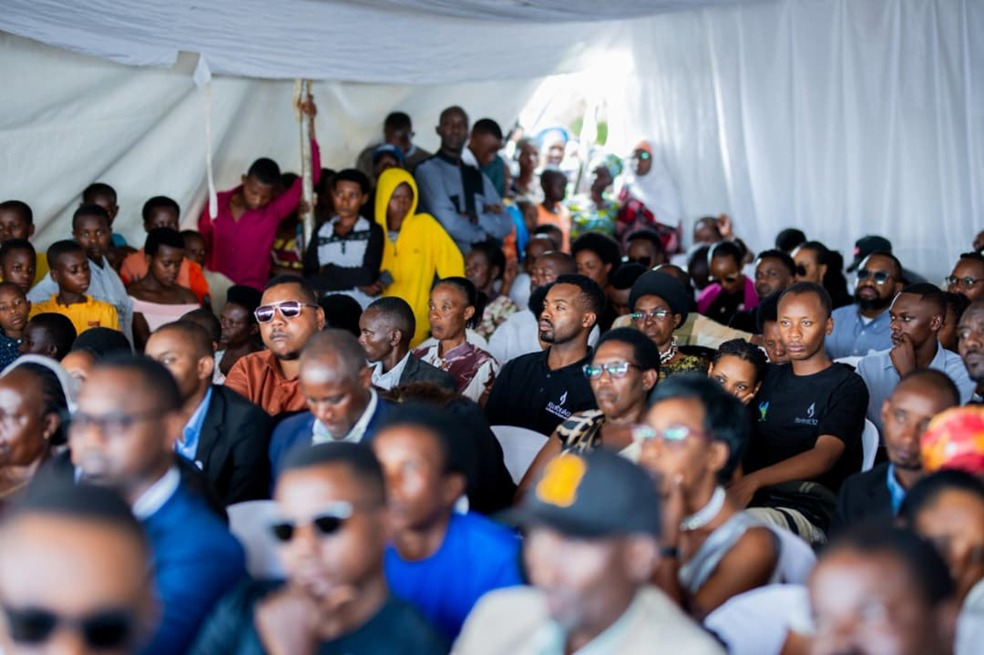
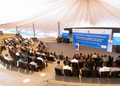
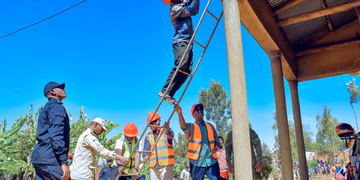
Speaking during the 32nd commemoration of the Genocide against the Tutsi in Kinazi Sector, Ruhango District, at the former Nyagahama refugee camp, he emphasized that the research should be finalized quickly and shared widely.
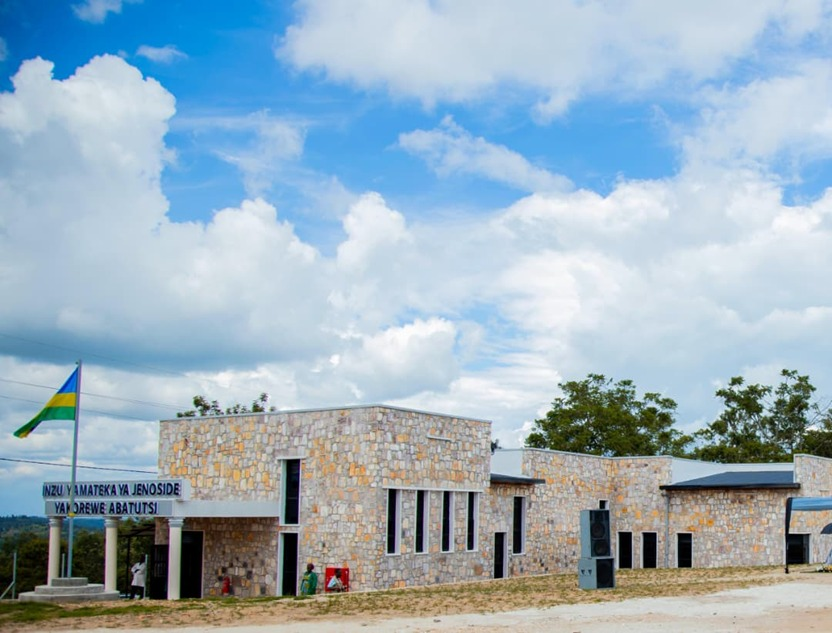
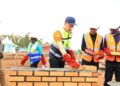
The book is expected to be housed in the newly completed history center at the Kinazi Genocide Memorial to educate younger generations.
Memorial Honors Victims and Preserves History
Survivor testimonies from Mayaga strongly describe the role of Burundians based at Nyagahama camp near Ntongwe Commune in the killings. Survivors remain deeply hurt that no Burundian suspect has yet been arrested or prosecuted.
Evode Munyurangabo, head of the Mayaga Survivors’ Association (AGSF), said notorious perpetrators who remain free will be symbolically represented in a “black room” (chambre noire) inside the memorial’s history center, where their photos will be displayed as a reminder of their crimes.
Authorities, ministries, and survivor organizations welcomed the completion of the history center, saying it will help preserve the history of the genocide in Mayaga.
The Kinazi Genocide Memorial currently holds more than 63,000 victims. During the 32nd commemoration, 32 bodies were given a dignified burial after being relocated from improper graves.