



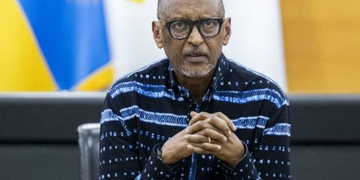








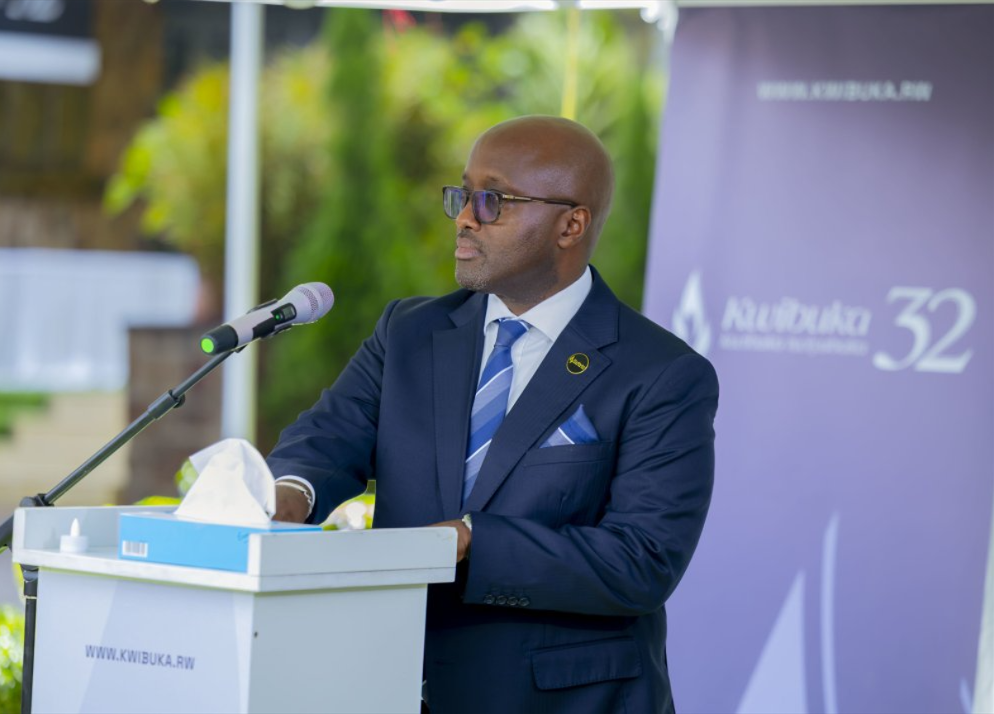
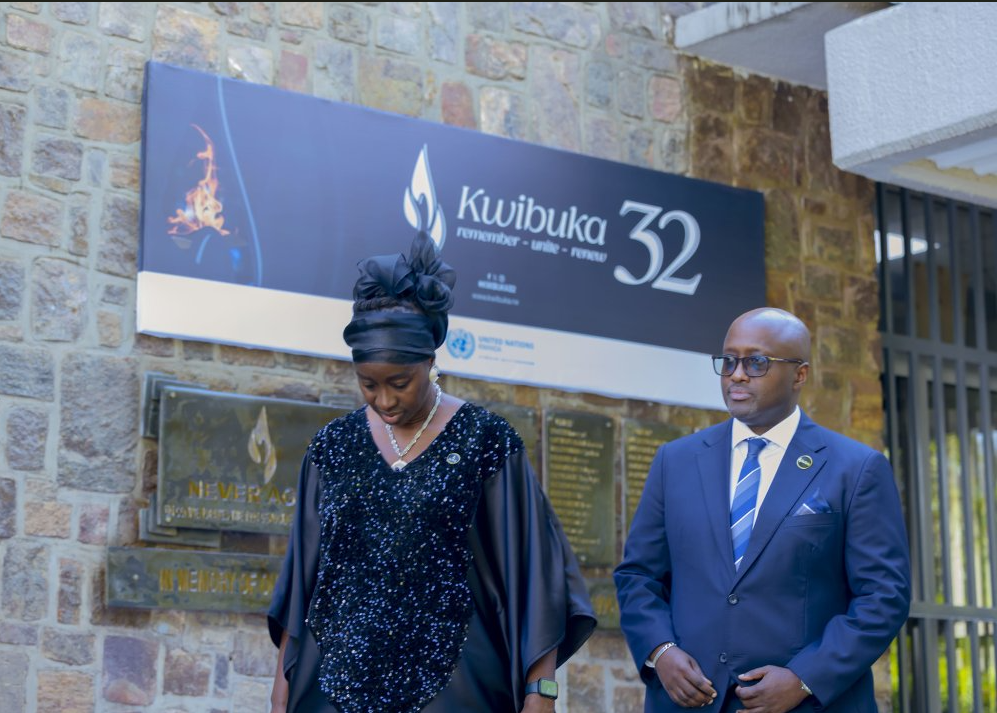
Minister of Foreign Affairs and International Cooperation, Ambassador Olivier Nduhungirehe, has expressed deep concern regarding the freedom granted to the FDLR by UN peacekeepers. During a commemoration event on April 22, 2026, he questioned why MONUSCO allows this terrorist group to operate freely in the Democratic Republic of Congo (DRC).

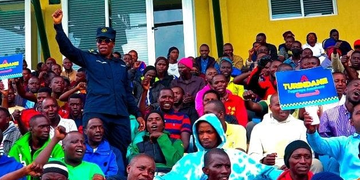
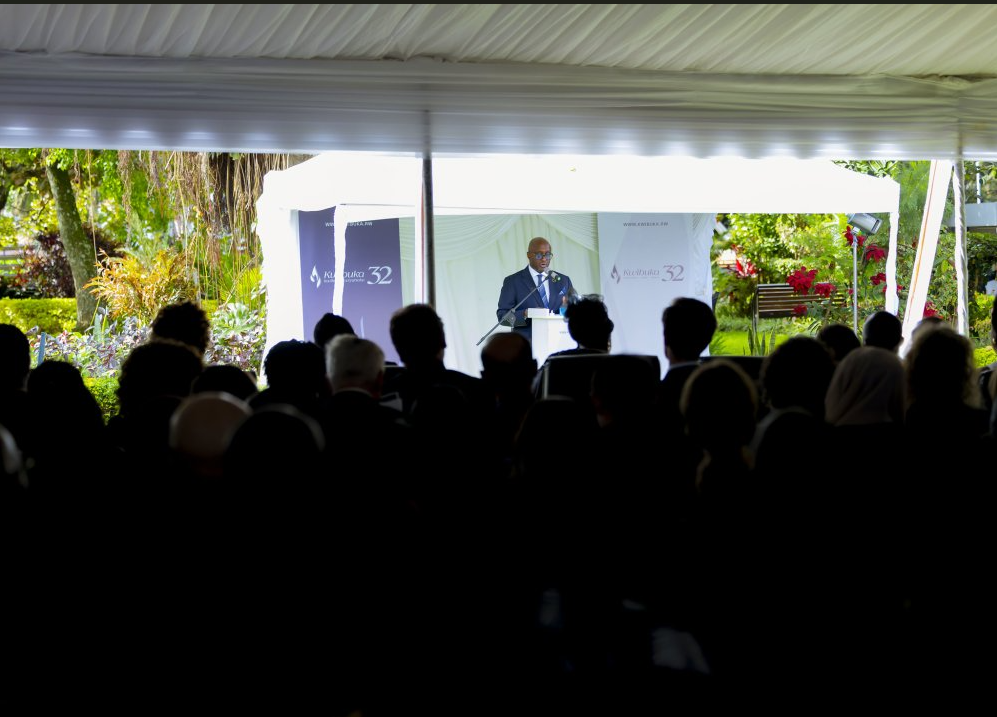
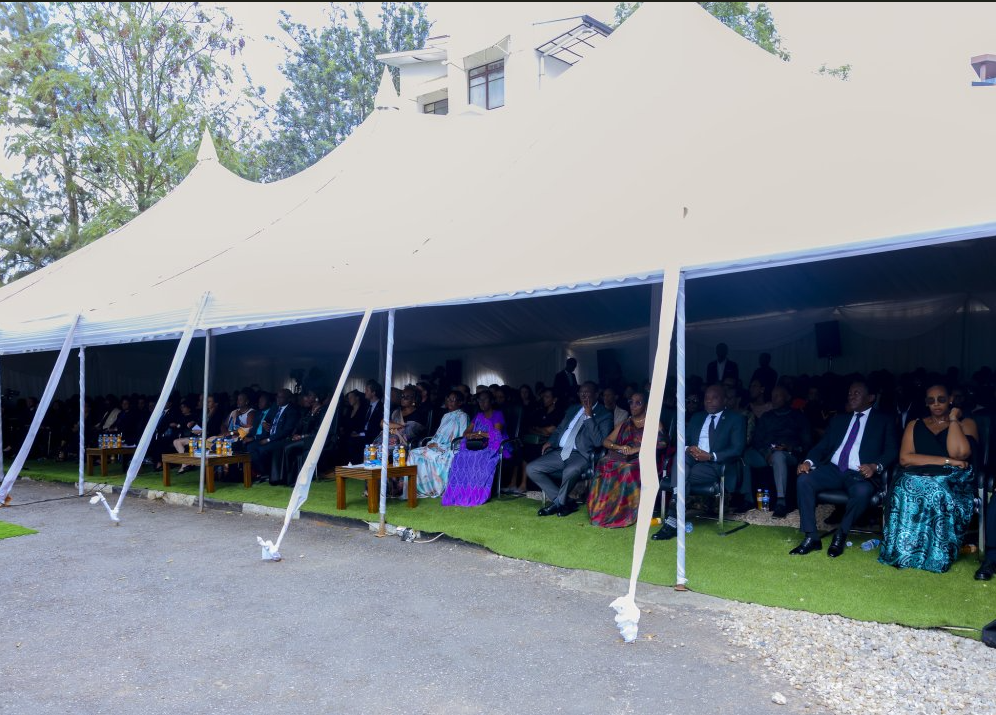
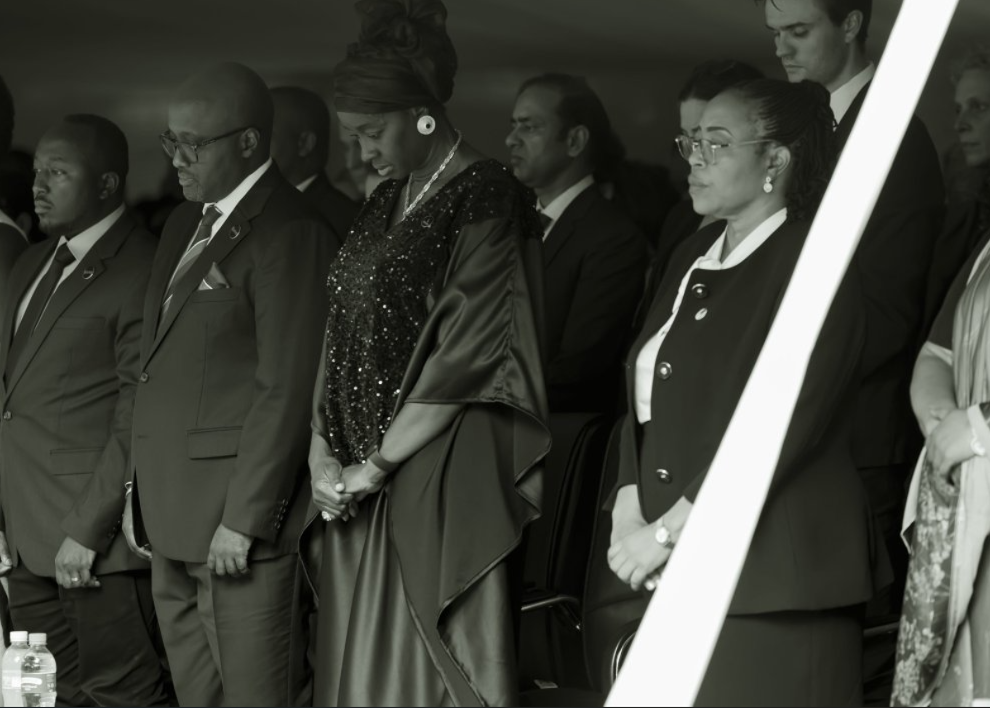
UN staff members in Rwanda gathered to remember the victims of the 1994 Genocide against the Tutsi for the 32nd anniversary. Consequently, Minister Nduhungirehe used this platform to highlight how the international community previously abandoned the Tutsi during their greatest time of need. He urged current global leaders to avoid repeating the tragic mistakes of the past by ignoring active threats in the region.
READ ALSO: Rwanda and Uganda Sign Four Agreements to Boost Education, Health and Trade
Historical failures and heroic exceptions in Rwanda
Minister Nduhungirehe reminded the UN staff that Lt Gen Romeo Dallaire, the former MINUAR commander, warned the world about the killings in 1994. However, many countries ignored these warnings while debating definitions and intervention strategies instead of taking action.
Despite this global failure, he honored specific soldiers who showed immense bravery and saved lives. He specifically mentioned Captain Mbaye Diagne from Senegal, along with Major General Henry Kwami Anyidoho and Major General Joseph Narh Adinkra from Ghana.
These heroes rescued many Tutsis while the broader international system remained paralyzed. Minister Nduhungirehe emphasized that the world must remember these brave individuals who chose humanity over bureaucracy.
READ ALSO: Putin and Zelensky meeting talks: Leaders weigh summit options
The persistent threat of FDLR genocidal ideology
Even 32 years after the genocide, the FDLR ideology continues to threaten regional security and stability. The group consists of former FAR soldiers and Interahamwe militia who fled to the former Zaire following the genocide. These groups famously attacked Nyange Secondary School on March 18, 1997, where students heroically refused to divide themselves by ethnicity.
“For 30 years, genocidal groups like FDLR have found a safe haven to spread their ideology. They received support, arms, and integration into the DRC government and security organs,,” Nduhungirehe stated.
Furthermore, he questioned how a UN-sanctioned group remains active near the Rwandan border while the international community watches.
READ ALSO: Community Health Workers Praised for Fighting Malaria in Rwanda
Preventing future atrocities in the Great Lakes region
The Minister warned that hate speech and ethnic killings are currently rising in Eastern DRC. This dangerous situation mirrors the environment in Rwanda just before the 1994 genocide against the Tutsi. Specifically, high-ranking officials are targeting Congolese Tutsis, including the Banyamulenge community, with inflammatory rhetoric.
“I wonder, how is it possible that a UN-sanctioned group, involved in Genocide, is allowed to operate near Rwanda’s border for over 30 years while the international community says ‘Never Again’?” he asked.
Finally, he called on the world to learn from Rwandan history to prevent another genocide by fighting hate speech and injustice in the region.
READ ALSO: Muhanga: Industries Face Power Shortages and Infrastructure Challenges











Comments 1