
















As malaria continues to be reported in different parts of Rwanda, citizens are praising the government’s community health worker program for playing a vital role in the early detection and treatment of the disease.

ALSO READ: Nyagatare: Seven Genocide Survivor Families Resettled in a Model Village
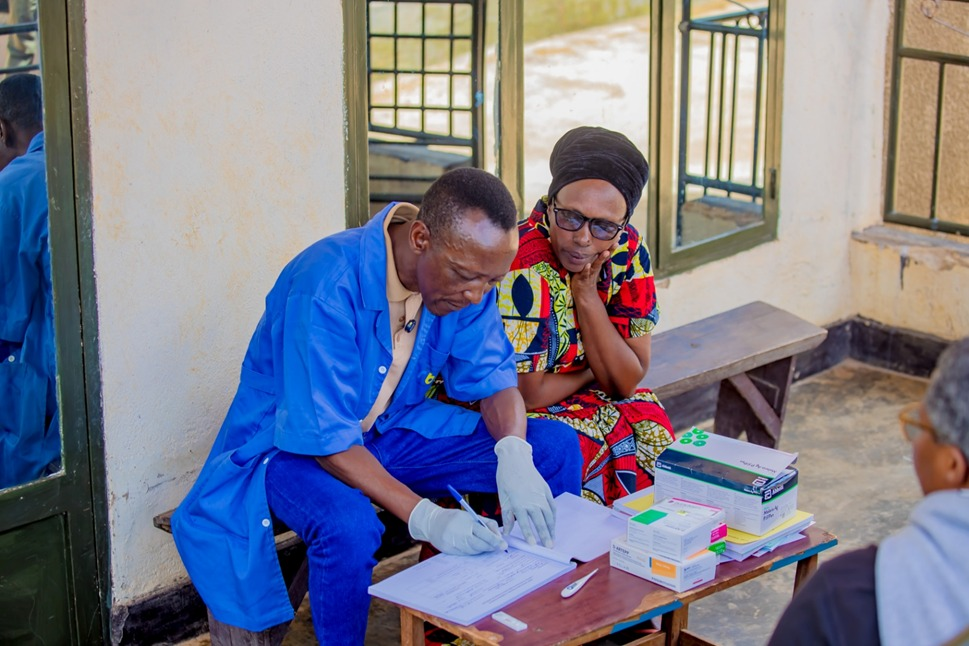
Among those expressing gratitude is Mukampfizi Alphonsine, a mother living in Gatare I Village, Nyamata Cell, Nyamata Sector in Bugesera District, one of the areas most affected by malaria.
In her testimony, she said, “We thank the government for bringing healthcare closer to us. In the past, people would fall sick and even die at home, or go to health facilities and find long queues, sometimes worsening their condition. But now, when you feel unwell, you quickly go to a community health worker. They receive us well and treat us. They test you for malaria, and if you have it, they give you medicine without needing to go to a hospital or health center. We are grateful for this government that has brought healthcare to our villages. No one dies at home anymore.”
Faster Treatment Saves Time and Lives
Mukampfizi added that receiving treatment from community health workers saves residents valuable time that would otherwise be spent traveling long distances to health facilities: “They attend to you quickly, treat you on time, and you recover fast,”
Many residents say the presence of trained health workers within villages has improved access to timely care, especially for families with children and those living far from hospitals or health centers.
Community Health Workers on the Frontline Against Malaria
Munderere Viateur, who has served as a community health worker for 15 years in Nyamata Sector, Bugesera District, said that although malaria cases have at times been high, they continue to play a crucial role in combating the disease.
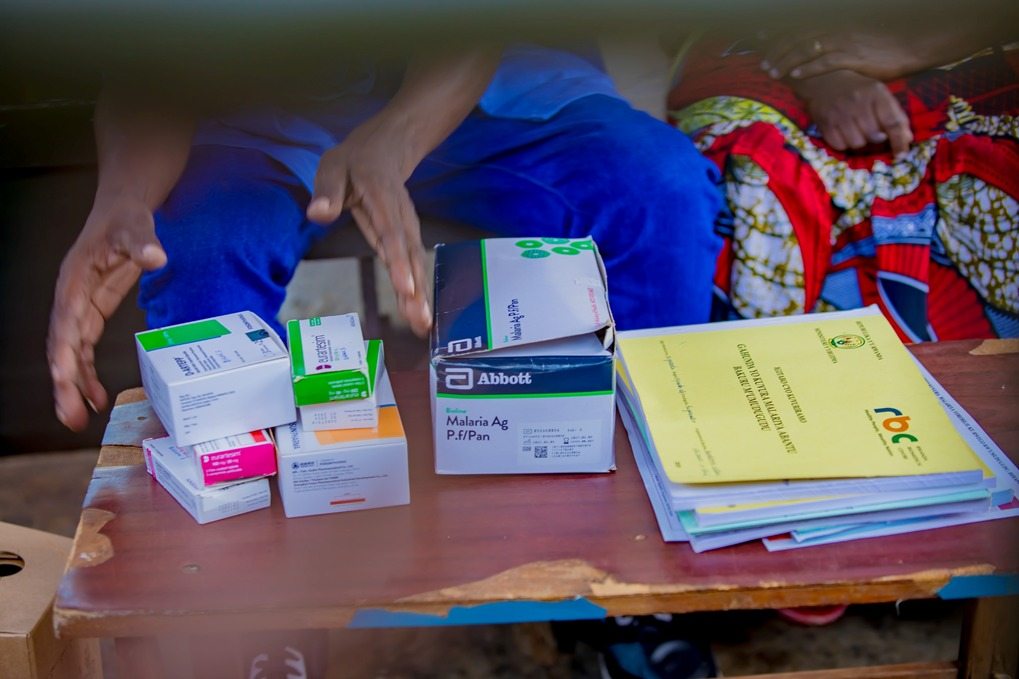
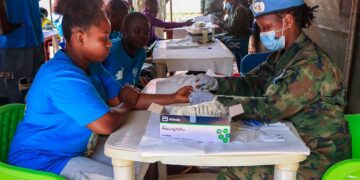
“A patient gets treated nearby without having to queue at a health center. People come to us at home, we test them, and if they have malaria, we give them medication immediately, saving them time. We also follow up at their homes to ensure they take the medicine properly until they recover,” he explained.
He noted that this close follow-up helps ensure patients complete treatment correctly and recover fully.
Training Builds Trust and Better Care
Munderere added that when a patient shows malaria-like symptoms such as fever, headache, or flu but tests negative, they refer them to a health center, as it could be another illness beyond their capacity to diagnose.
He also reassured those who may doubt the competence of community health workers, emphasizing that they are properly trained: “We received adequate training on malaria—its symptoms, transmission, causes, and treatment. People should not doubt our ability,” he said.
Community health workers remain an important pillar of Rwanda’s healthcare system, helping reduce malaria cases through testing, treatment, referrals, and continued public awareness.