

























Nsengiyumva Emmanuel, a survivor of the 1994 Genocide against the Tutsi at the Cyatenga mining site in Rukoma Sector, expresses gratitude to a man who used to kill stray dogs but refused to take part in the genocide.

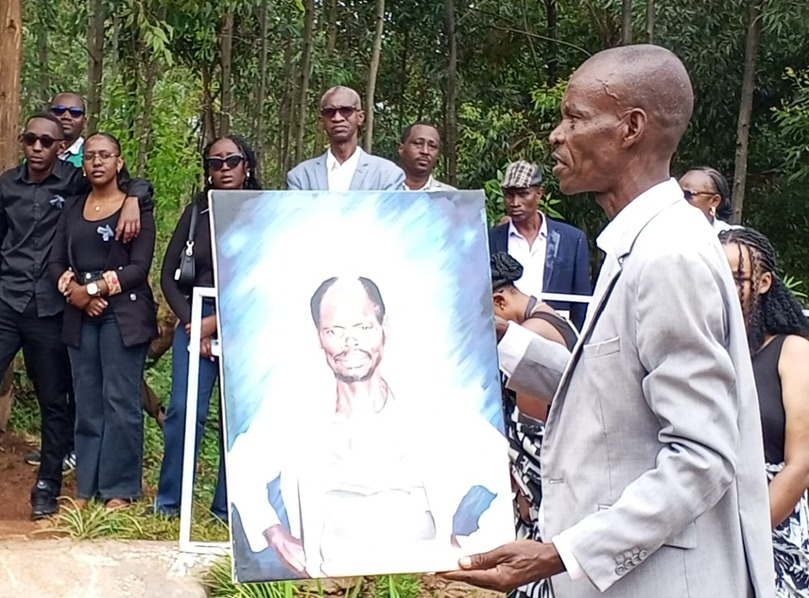
Nsengiyumva says he chose to use the image of Sonariyeri to thank all those who refused to participate in the genocide and instead helped those who were being hunted.
He created a large portrait (tableau) of a humble man named Nkiranije, commonly known as Sonariyeri, who refused to kill Tutsis and instead showed them escape routes.
He explains that he chose this image because, at the time, Sonariyeri was considered useless by many, yet he did what those seen as important failed to do. He refused to join them in committing genocide.
Sonariyeri Refused to Kill
He said, “Appearances can deceive; kindness is in the heart. The killers called Sonariyeri to help them kill Tutsis, but he replied, ‘Let the one who helped me kill dogs be the one to ask me to help kill people.’”
Although Sonariyeri was often criticized for killing dogs, he showed that he respected human life.
Before the genocide, Sonariyeri made a living by being called by neighbors to kill rabid dogs or dispose of dead ones. People saw him as fearless and often gave him tasks considered unacceptable for ordinary people.
At the Cyatenga mine, more than 100 Tutsis from nearby areas were thrown in, but Sonariyeri refused to kill. When the killers asked him to help, he refused, saying he had never asked anyone to help him kill dogs and had no reason to kill people.
A Symbol of Humanity During the Genocide
Nsengiyumva says Sonariyeri’s image should stand as a symbol to condemn those who took part in the genocide and to honor those who risked their lives to save others, knowing that hiding a Tutsi at that time was punishable by death.
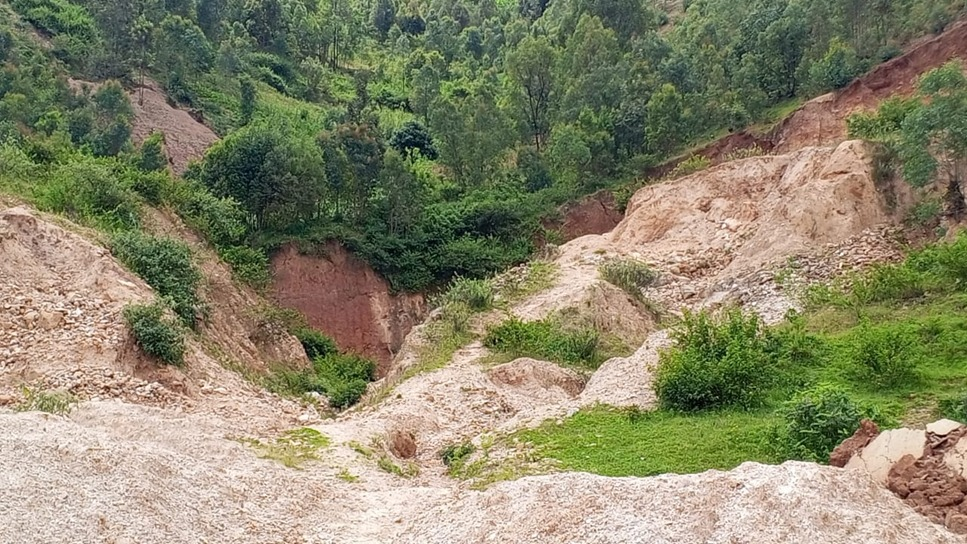
Nsengiyumva also recounts his own experience. When Interahamwe found him and others in hiding, they gave him a machete and a club and ordered him to kill those he was with. Instead, he chose to jump into a 70-meter-deep pit. Those who remained above were killed and thrown into it.
Survival and Remembrance at Cyatenga
He later managed to climb out of the pit, which contained over 100 bodies, and continued hiding as he fled. He survived partly because he had an identity card identifying him as Hutu, which allowed him to pass through roadblocks.
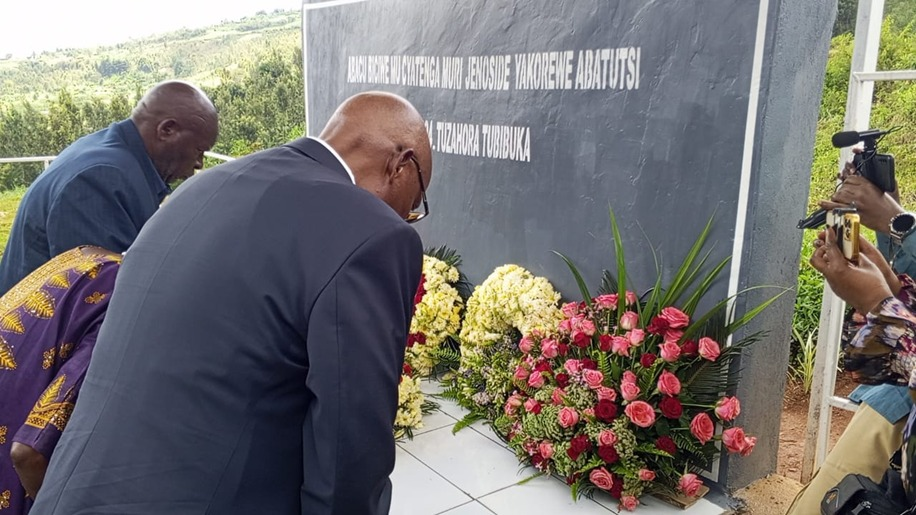
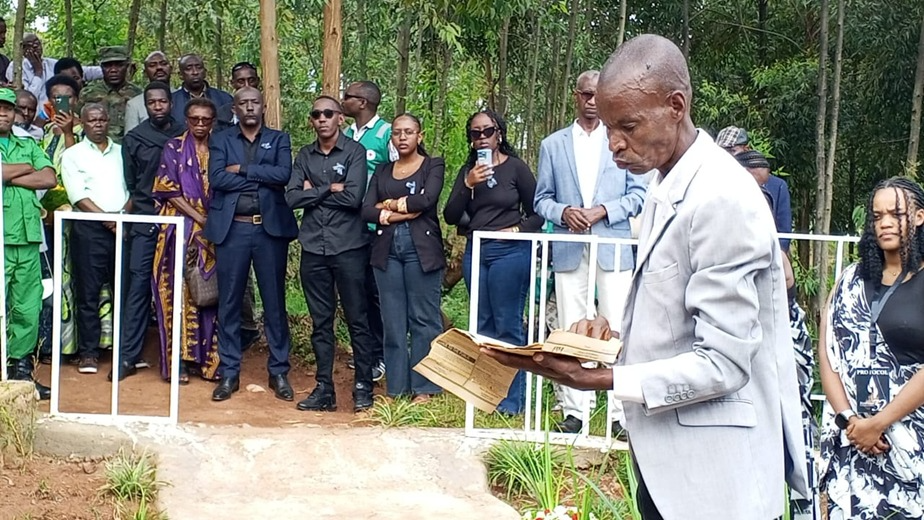
At the time, Taba Commune was led by Mayor Akayezu. Many Tutsis were killed and thrown into the Cyatenga mining pits. Every year on April 19, they are remembered.
Victims killed in the former Taba Commune were also buried in places like “Inzovu’s resting place” and later given a dignified burial at the Kamonyi Memorial. Others were thrown into the Nyabarongo River.















Comments 1