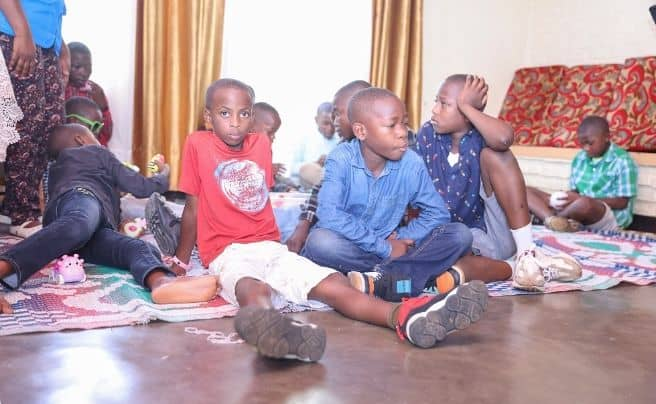










SOS Rwanda runs a program called the House of Comfort (Ihumure). It helps children who once lived on the streets heal before they return to their families.

The program is part of the Seruka Project. It aims to reduce child streetism and support family reintegration. At the center, children find safety, care, and a chance to rebuild their lives.
ALSO READ: France Calls UN Security Council Meeting After Deadly Drone Attack in Goma
Helping Children Heal from Trauma
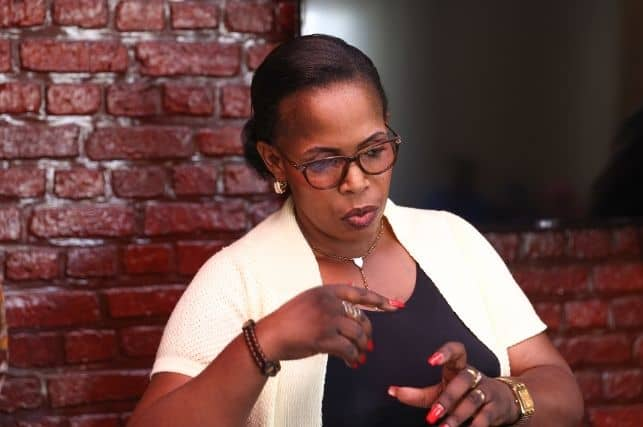
Annee Candide Habyarimana, a mental health officer at SOS Rwanda, says the program focuses on children’s emotional well-being: “We support children through counseling. We help them understand their thoughts and feelings. We also restore their hope in life.”
The team uses trauma-informed care to help children reflect on their past. They also apply Cognitive Behavioral Therapy (CBT) to guide them toward positive behavior.
These methods encourage children to speak about their experiences. As a result, they begin to rebuild confidence and develop a new outlook on life.
Meeting Basic Needs with Dignity
Life at the House of Comfort is very different from life on the streets. Children now have clean clothes, regular meals, and a safe place to sleep.
One child explained: “On the streets, we wore torn clothes and searched for food in garbage. Here, we get new clothes and proper meals. We also go to school.”
These simple changes restore dignity. They also help children feel valued and cared for.
Preparing for a Better Future
Most children at the center dropped out of school. They stay for three to six months as they prepare to return home.
During this time, they take part in drawing, singing, and basic learning. These activities help them grow emotionally and academically.
The program mainly supports children under 12. Many of them pass through the Gikondo transit center. Instead of going to rehabilitation centers, they come here for support.
Breaking the Cycle with Research-Based Solutions
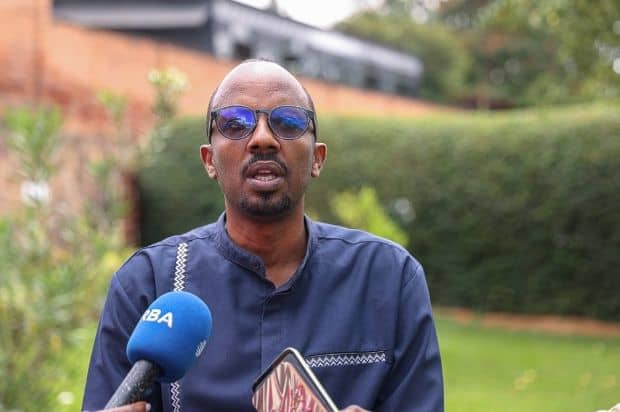
Jean Bosco Kwizera, Director General of SOS Rwanda, says research shaped the program.
The organization found that many children return to the streets after rehabilitation. About 35% relapse: “We studied centers like Iwawa. We wanted to understand why children fail to reintegrate,” he said.
This led to a new approach. Instead of sending children back home without support, the program addresses the root causes of their behavior.
SOS Rwanda works with the National Rehabilitation Service (NRS) to implement the initiative. The goal is to reintegrate about 7,800 children into families.
So far, the program has helped 654 children return home. In total, over 108,000 children and families have benefited, including 24,000 children.