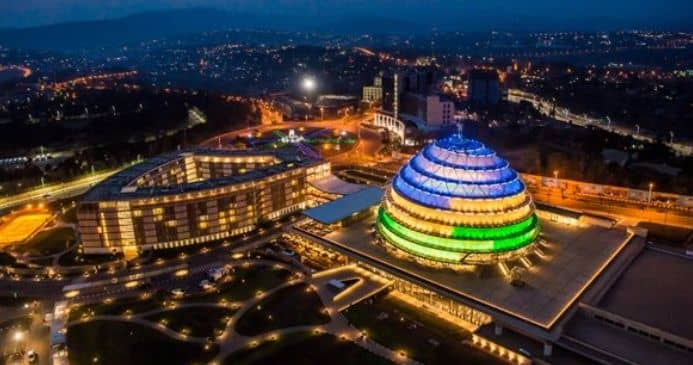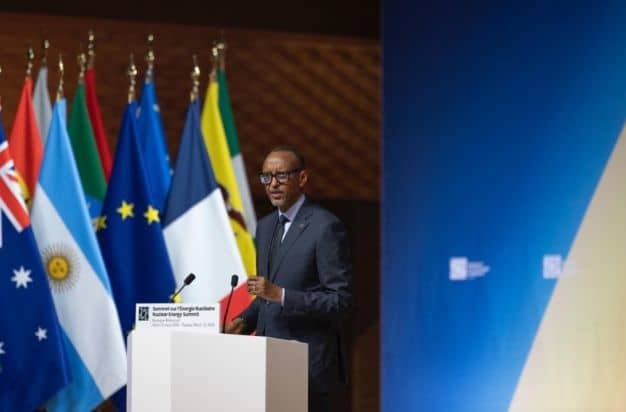
























Rwanda will host a major international conference on nuclear energy for civilian use in May 2026. Policymakers, scientists, investors, and industry experts will attend to discuss nuclear energy’s role in Africa’s development.

The announcement came during an international forum promoting peaceful nuclear energy in Paris, France.
ALSO READ: Kigali: Over 20,000 Victims of Japan’s Natural Disasters Commemorated
Kagame Highlights Rwanda’s Future Energy Needs
Paul Kagame said Rwanda must develop nuclear energy industries to meet rising electricity demand.
He explained that Rwanda aims to become a developed nation by 2050. To reach this goal, the country needs a reliable and large electricity supply to power economic growth and industrial projects.
“Our goal is for Rwanda to become a developed country by 2050. This requires a substantial amount of electricity, which is why we prioritize nuclear energy in our long-term development strategy,” Kagame said.
Conference Theme and Schedule
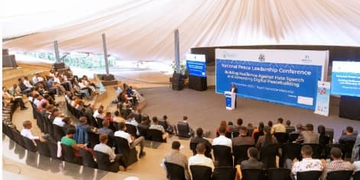
The conference will run from May 18 to May 21, 2026, in Kigali. Its theme is “Harnessing Nuclear Energy for Investment and Development.”
A similar Pan-African conference took place in South Africa in 2023. The Kigali event aims to strengthen cooperation among African nations pursuing sustainable energy solutions.
Rwanda Expands Partnerships in Nuclear Technology
Rwanda continues to expand nuclear energy for electricity, medicine, and industrial use.
In 2018, Rwanda partnered with Russia to establish a Nuclear Science and Technology Research Center. The center will train experts and support future nuclear power projects.
In August 2024, Rwanda signed an agreement with Nano Nuclear Energy Inc, a U.S.-based firm, to develop new electricity-generation technologies.
Earlier, Rwanda partnered with Dual Fluid Energy Inc, a company registered in Germany and Canada, to test advanced nuclear technologies in the country.
Small Modular Reactors Planned for Rwanda
These agreements will support the construction of Small Modular Reactors (SMRs) and Micro Reactors.
SMRs and Micro Reactors require less land but generate significant electricity. They use advanced safety systems to protect nearby communities.
Each plant will employ around 220–250 workers operating in four shifts.
The Rwanda Atomic Energy Board projects that Rwanda could become one of the few African countries with an operational nuclear power plant by 2030.