


























Universities and higher learning institutions in the East African Community (EAC) have committed to strengthening cooperation. Their goal is to improve the quality of higher education across the region. This collaboration will focus on joint research, scholarships for students, mutual recognition of academic qualifications, and other related initiatives. By working together, these universities aim to enhance opportunities for students and faculty across EAC countries.

ALSO READ: Meet Me: Dr. Vincent Biruta_Biography_Career, and Achievements
EAC Universities Meet to Discuss Collaboration
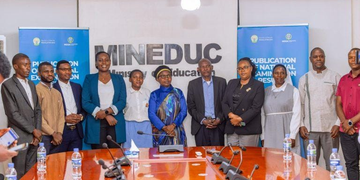
On March 9, 2026, university leaders, government officials, and students met to discuss ways to improve higher education within the EAC. During the meeting, they shared ideas on research collaboration, academic programs, and student mobility. The event was organized by the Inter-University Council for East Africa (IUCEA), which promotes academic partnerships and research among regional universities.
ALSO READ: Unity Club Launches 5th Phase of “Ndi Umunyarwanda” Program in Secondary Schools.
IUCEA Calls for Stronger Academic Partnerships
Idris A. Rai, Secretary General of IUCEA, said that universities in the EAC share many similarities. He also noted that cooperation could unlock significant progress if universities combine their resources and expertise effectively.
He stated: “We want the EAC to become a space where students, lecturers, researchers, and knowledge can move freely among partners. When universities collaborate, they can build strong academic systems that also help people access employment opportunities across EAC member states.”
In addition, Rai emphasized that practical collaboration matters more than formal agreements. Universities must implement shared programs and joint initiatives.
ALSO READ: Rwanda Begins Administering Gardasil 9 Vaccine to Prevent Multiple Cancers
Ensuring Academic Programs Meet Modern Demands
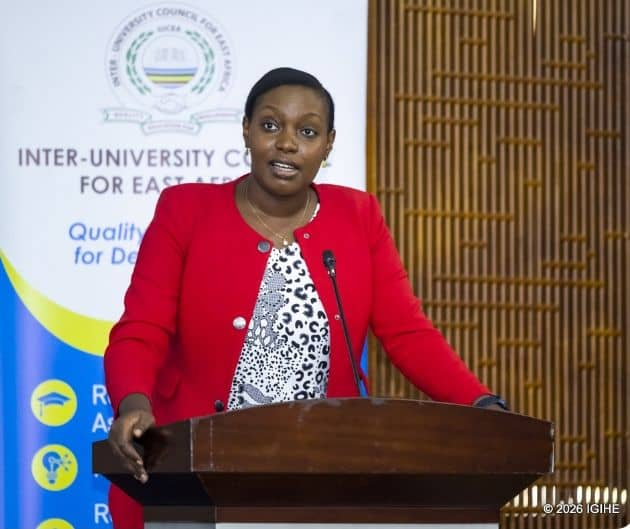
The State Minister in the Ministry of Education, Claudette Irere, highlighted the need to adapt academic programs as the world changes. She emphasized that universities must align their programs with technology, science, and modern labor market needs.
She said: “We continue to witness major changes in education, moving from traditional academic programs toward fields such as science, technology, and other areas closely linked to the modern job market. As partners, we must collaborate to ensure that our programs remain relevant, innovative, and responsive to the needs of society.”
Therefore, universities must work together to keep their courses relevant and practical. This approach ensures students graduate with the skills needed in today’s economy.
ALSO READ: Rwandans in Congo Celebrate International Women’s Day
Rwanda’s Commitment to Higher Education
Edward Kadozi, Director General of the Higher Education Council, emphasized that universities play a key role in national development. He explained: “In Rwanda, we attach great importance to knowledge and academic programs offered by universities because we understand their role in achieving national development goals. Our leadership encourages universities to collaborate with international partners, share knowledge, send students abroad, and work together in research. However, this cannot be achieved without strong and practical cooperation that goes beyond meetings and discussions.”
Currently, Rwanda has 38 higher learning institutions, including four public universities. The University of Rwanda alone graduates more than 9,000 students each year. Moreover, universities are encouraged to expand research and international collaborations to strengthen their programs.
ALSO READ: Gicumbi: Defence and Security Institutions Launch Medical Outreach Program
Growing Focus on Research and Advanced Degrees
Rwanda has seen a significant increase in doctoral graduates. The number of PhD holders rose from 19 in 2018 to 90 in 2024. This trend highlights the country’s commitment to advanced academic training and research.
By fostering collaboration among EAC universities, the region can improve education quality, expand research opportunities, and ensure that graduates are equipped to meet the needs of society. Strong partnerships will benefit students, faculty, and communities across East Africa.