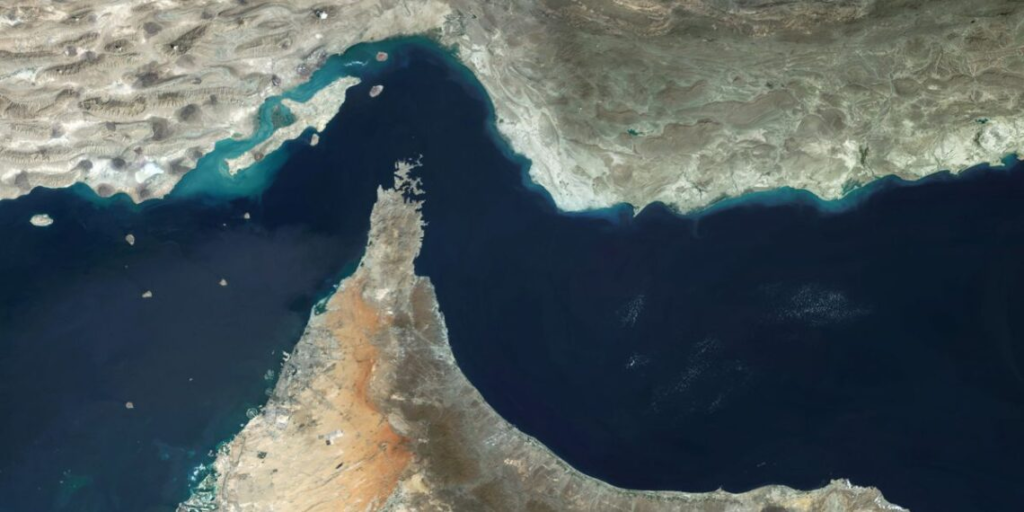































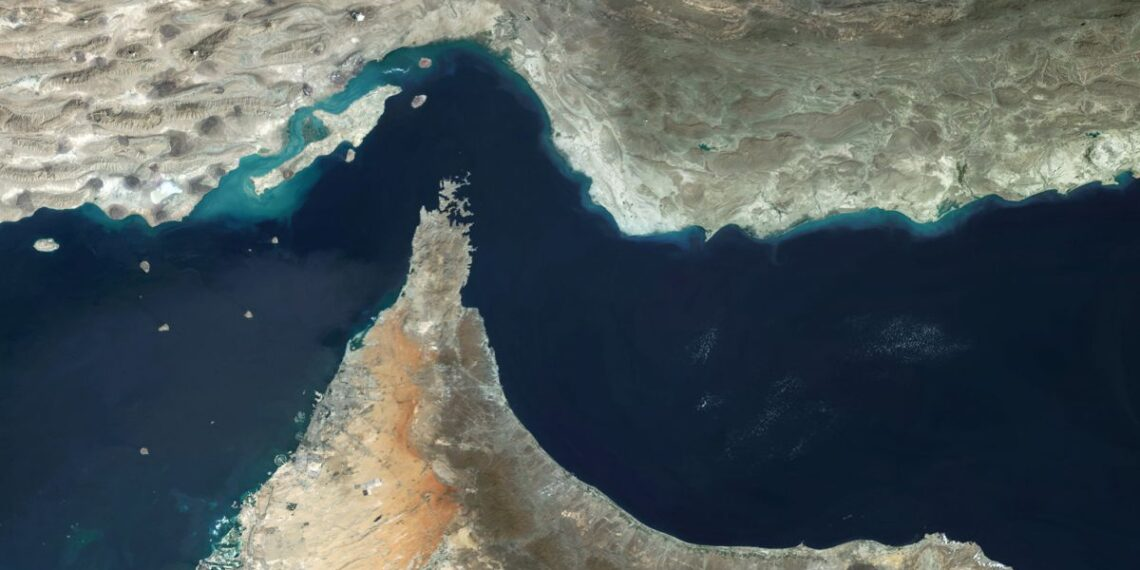
Iran’s military announced on Saturday that it had once again closed the Strait of Hormuz. This came only hours after officials said they had reopened the strategic waterway following a ceasefire agreement.

Military officials said the route carries a large share of the world’s oil and gas shipments. They said they shut it again because tensions had risen.
ALSO READ: No Weapon Can Defeat Us _ Brig Gen Rwivanga
U.S. Pressure Blamed for the Decision
The Speaker of Iran’s Parliament, Mohammad Bagher Ghalibaf, confirmed the closure and blamed the United States for the move.
He said continued U.S. efforts to block Iranian ports, along with threatening social media remarks by U.S. President Donald Trump, pushed Iran to reverse its earlier decision and close the strait again.
Brief Reopening Had Calmed Markets
On Friday afternoon, Iran announced the reopening of the Strait of Hormuz after a temporary truce aimed at halting fighting between Israel and Hezbollah in Lebanon.
Global markets welcomed the announcement. Oil prices dropped, and hopes for regional stability increased.
However, the mood changed after Trump said the United States would continue naval actions against Iranian ports until both sides reached a lasting peace agreement.
Shipping Disrupted as Security Concerns Rise
Iranian state television said the strait is now under full military control. It also accused the United States of keeping pressure on the region through military operations in the Middle East.
Ship-tracking reports showed that some vessels used the brief ceasefire window to cross the route. Others turned back because of growing security concerns.
A few ships still passed through on Saturday morning, but many avoided the area altogether.
Some captains reportedly identified themselves as being from countries such as India or China in an attempt to reduce risk while navigating nearby waters.
Global Oil Markets Face Renewed Uncertainty
The Strait of Hormuz lies between Iran and Oman. It is one of the most important shipping routes in the world and carries nearly one-fifth of internationally traded oil and gas supplies.
Its repeated closure and reopening have caused instability in energy markets. Oil prices had earlier surged close to $120 per barrel before easing after Friday’s reopening announcement.
With the route closed again, analysts expect prices to rise once more because of fears over supply disruptions.
Currently, oil prices range between $83 and $92 per barrel after reaching as high as $120 in March.