






























The Energy Minister of Qatar, Saad al-Kaabi, has warned that global fuel prices could nearly double in the coming weeks if tensions in the Middle East continue to escalate.

Speaking in an interview with the Financial Times, Al-Kaabi said several countries in the region may suspend exports of petrol and diesel within the next two to three weeks. Such a move, he cautioned, would significantly disrupt global energy supply and push prices sharply higher.
ALSO READ: Rwandan Soldiers and Police to Launch Community Welfare Activities
Rising Oil Prices Amid Regional Conflict
Oil prices have already increased following the recent conflict involving the United States and Israel against Iran, which began on February 28, 2026.
Before the conflict, crude oil traded at around 70 US dollars per barrel on international markets. However, prices rose rapidly in early March. Between March 1 and March 2, crude oil prices climbed to between 80 and 82 dollars per barrel.
By March 6, the price had reached 90 dollars per barrel, reflecting growing concern over disruptions to global supply.
Strait of Hormuz Disruptions Threaten Oil Transport
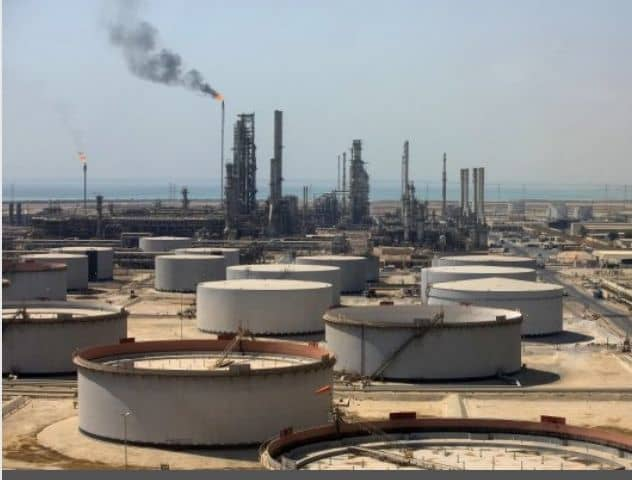
The price surge has been linked to attacks that have disrupted oil tanker traffic through the strategic Strait of Hormuz.
According to reports, vessels traveling through the corridor have faced increasing risks as Iran’s elite military unit, the Islamic Revolutionary Guard Corps (IRGC), continues targeting ships linked to the United States and its allies.
The Strait of Hormuz is one of the most important energy routes in the world. Approximately 20 percent of global oil and gas supplies pass through this narrow shipping corridor connecting Middle Eastern producers to markets in Europe and beyond.
Middle East Export Halt Could Push Prices to $150
Al-Kaabi warned that if the conflict continues, several Gulf countries could halt petroleum exports through the Strait of Hormuz.
Countries that may take such measures include United Arab Emirates, Saudi Arabia, Bahrain, Kuwait and Oman.
“We expect that countries which have not yet declared extraordinary measures will do so in the coming days,” Al-Kaabi said. “Exporting countries in the region will announce emergency measures. If this war continues for several weeks, economies around the world will be affected.”
He added that if exports from the region are suspended, the price of crude oil could rise to 150 US dollars per barrel within two to three weeks, placing further pressure on global energy markets and national economies.