












The United Nations General Assembly has adopted a landmark resolution recognizing the transatlantic enslavement of Black people as a grave crime against humanity. This decision marks a significant moment in global efforts to acknowledge historical injustices and their lasting impact.

The resolution was drafted by the Government of Ghana and received strong backing from the African Union.
ALSO READ: We Do Not Persecute Religions_President Kagame
Voting Outcome and Global Reactions
During the vote held on March 25, 2026, a total of 123 UN member states supported the resolution. However, three countries—including United States and Israel—voted against it. Meanwhile, 52 countries, among them the United Kingdom and several European Union members, chose to abstain.
As a result, the vote highlights both broad support and ongoing divisions on how to address historical accountability.
John Dramani Mahama Welcomes Historic Step
John Dramani Mahama, who played a key role in drafting the resolution, described its adoption as a major step toward healing historical wounds.
He stressed the importance of preserving the memory of those who suffered under slavery: “The adoption of this resolution will help ensure that this history is never forgotten… Let it be recorded that when history called, we acted to honor and remember the millions who suffered dehumanization through slavery.”
Calls for Justice and Reparations
Ghana’s Minister of Foreign Affairs, Samuel Okudzeto Ablakwa, said the resolution could open the door to accountability.
He emphasized that historical injustices cannot be ignored: “History does not disappear, even when ignored. Truth does not lose its power over time. A crime does not expire… and justice should not be denied simply because time has passed.”
In an interview with BBC, Ablakwa called for reparations focused on justice rather than personal gain. Specifically, he highlighted the need for access to education, training, and knowledge for affected communities.
Historical Context and the Way Forward
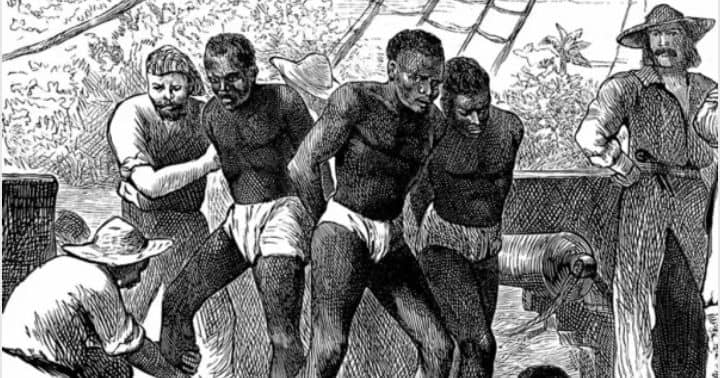
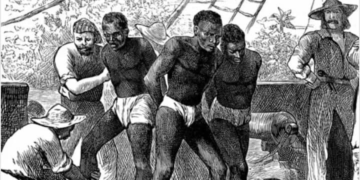
Between 1500 and 1800, an estimated 12 to 15 million Africans were forcibly taken to the Americas through the transatlantic slave trade. More than two million are believed to have died during the journey.
As one of the major departure points during this period, Ghana has consistently advocated for reparations and global recognition of these injustices.
Looking ahead, the resolution calls on UN member states to issue formal apologies and contribute to a fund aimed at addressing the lasting effects of slavery. Ultimately, this step is seen as part of a broader effort to promote justice, remembrance, and healing worldwide.