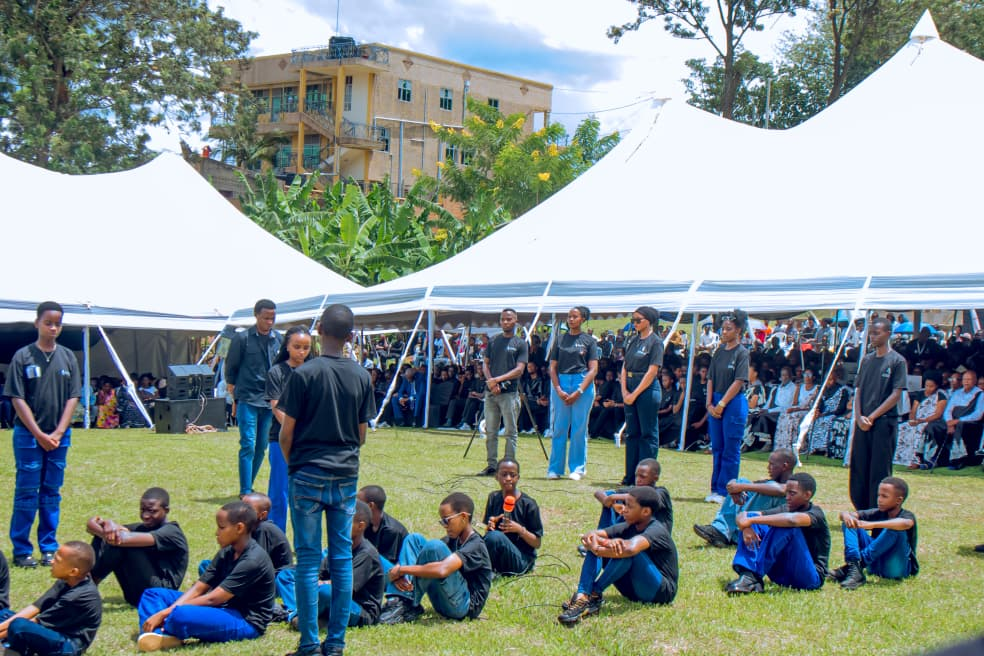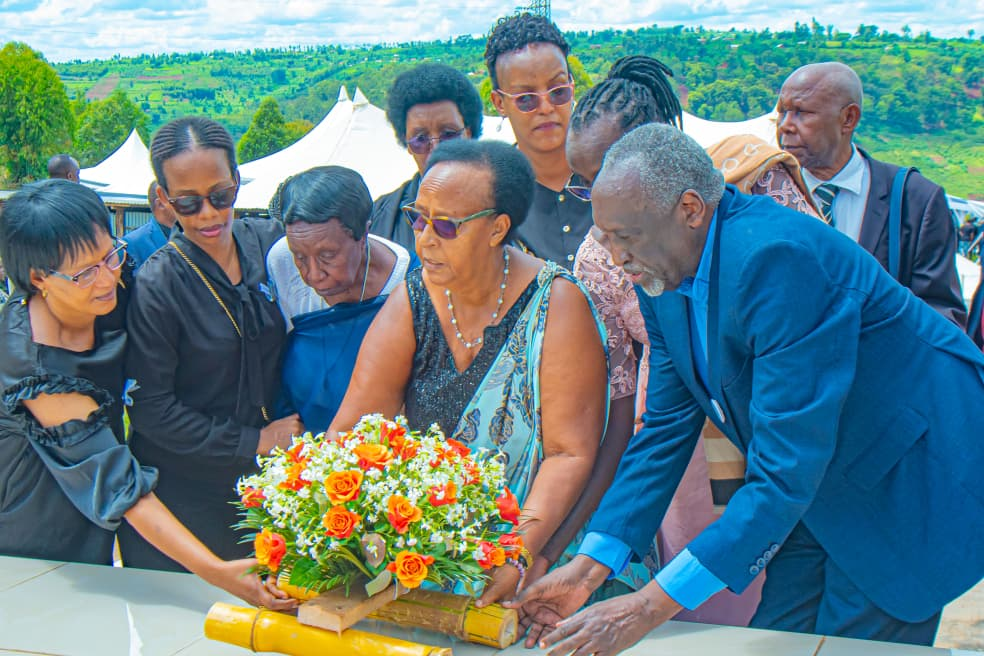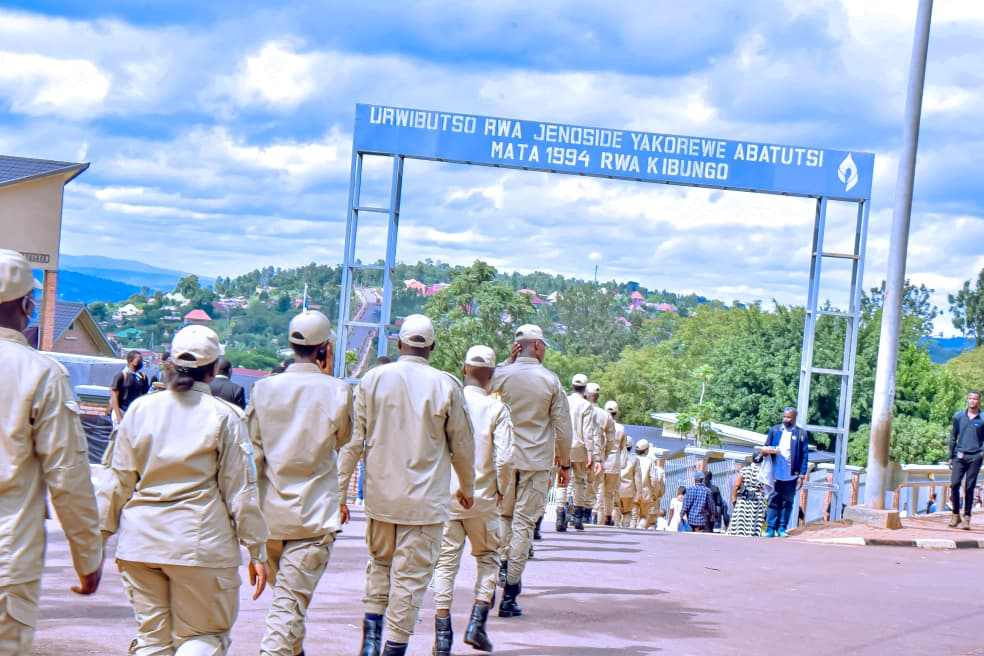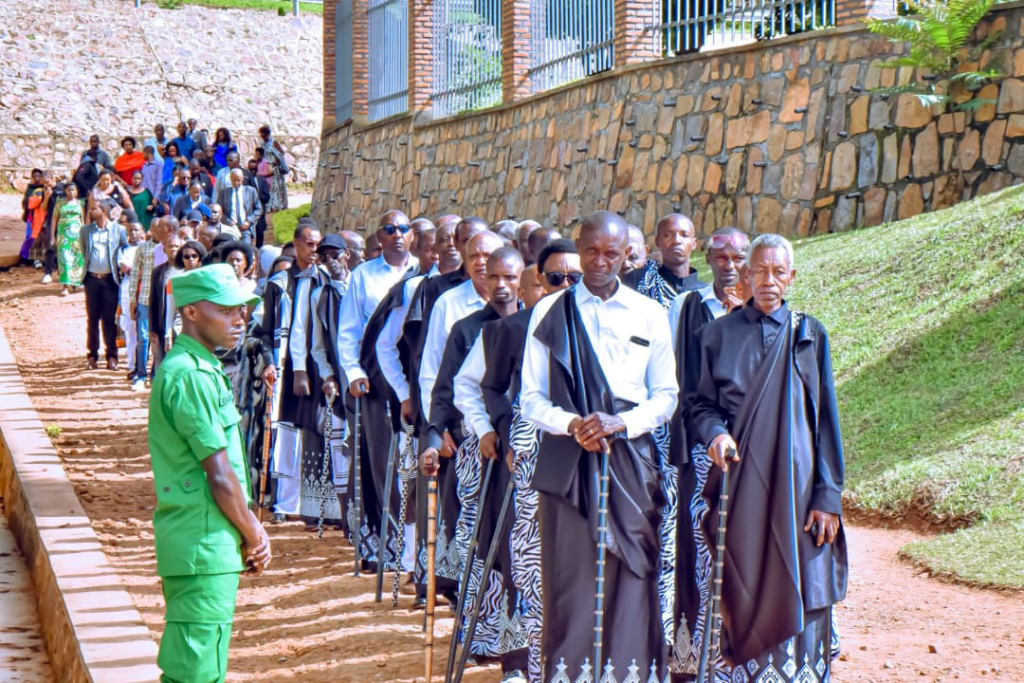
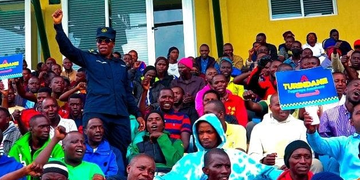













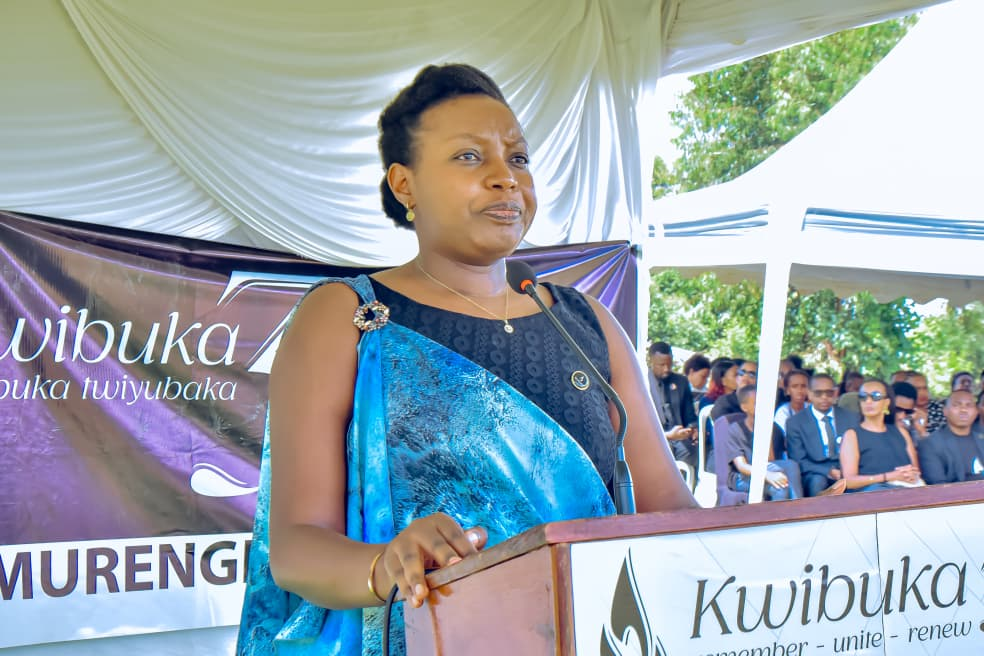
During the commemoration of the 1994 Genocide against the Tutsi in Rwanda in Ngoma district, the Minister of State in the Ministry of Education, Irere Claudette praised the courage and resilience shown by survivors in rebuilding their lives. She stated that remembering is a duty, a covenant, and a history that unites us as Rwandans.

She stated that on this 14 April 2026 at Kibungo Genocide Memorial site where more than more than 25,000 victims buried, where the former Kibungo Prefecture headquarters was located.
She said: “Remembering is a duty, a covenant, and a history that unites us as Rwandans. Today we remember Kibungo and the painful history its people endured. I also comfort those who carry painful testimonies like the one we heard from Jean Paul Ntaganda.”
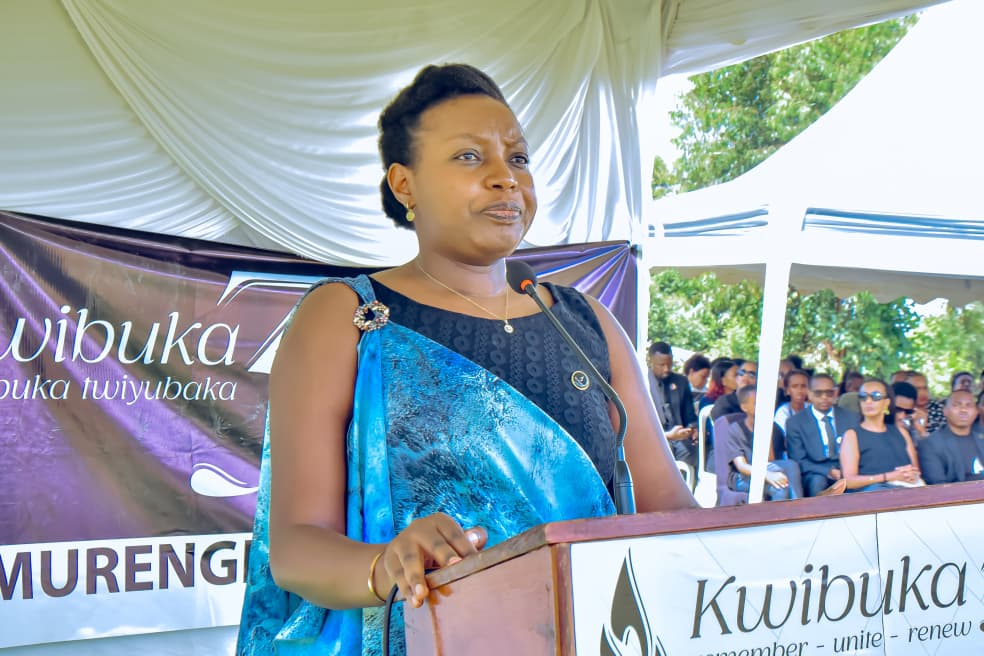
She said that over the past 32 years, survivors chose not to be consumed by grief, but instead worked with fellow Rwandans to build a country free from discrimination and division.
She concluded by thanking the former RPA soldiers who stopped the genocide and restored hope to Rwanda. She warned that genocide denial and minimization still exist, especially in some neighboring countries, and called on everyone to reject those who distort history.
Preserving the History of the Genocide
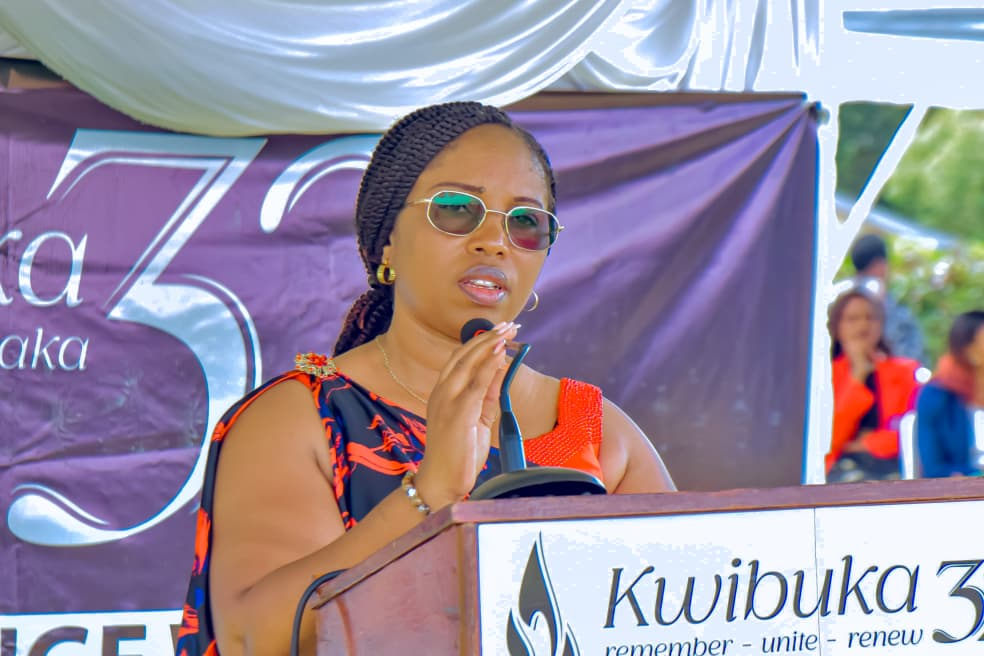
The Mayor of Ngoma District, Madame Niyonagira Anathalie, reflected on the history of the former Kibungo Prefecture, near the old Kibungo prison where people labeled as accomplices were detained and abused in different places.
She said: “We must preserve the history of the 1994 Genocide against the Tutsi. We must ensure that survivors living today, as well as future generations, know this history so that it becomes a weapon against anything that could allow genocide to happen again.”
Continued Support for Survivors
The mayor added that district authorities will continue standing with genocide survivors by ensuring they receive the support they need, including medical care, timely financial assistance, and decent housing.
She emphasized that helping survivors remains a priority for the local government.
Testimony of Jean Paul Ntaganda
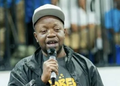
Jean Paul Ntaganda shared his testimony about the suffering he endured. He said the woman beside him is his wife, with whom he has lived for 20 years, and they thank God for blessing them with sons and daughters.
He explained that his experience was similar to what another survivor, Tanganyika, had described. He said that by 1994, they had already lived through about four years of persecution. At the time, he was in his fourth year at Zaza Seminary. Originally from Kayonza, he was in Ngoma visiting his elder brother, who worked at the Kibungo Prefecture.
He said: “At the seminary, some students were stronger than the priests, and they entered the school with intentions of betraying fellow students. Because of the danger, we carried metal objects after meals for self-defense. Some had learned karate so they could protect themselves, yet after all that we still went together to Mass and were fed together.”
He added that priests such as Father Luke of Kibungo and Father Kayitana were also under pressure, while the headmaster Bahujimihigo lived in Rwamagana. During the school holiday, the genocide began while he was in Kibungo.