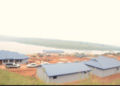











Jali Sector, located in Gasabo District, was formerly part of Rutongo District. In earlier times, people lived there in peace. They shared livestock, intermarried, and built strong social bonds. Traditions such as baptism and marriage strengthened unity. However, hatred and division that spread across the country later reached this area.

Strategic Nature of Jali Hill
Jali has a very high hill, both physically and strategically. During the Genocide against the Tutsi in 1994, supporters of MDR and MRND dominated the area. MRND had strong influence because of a gendarmerie camp. The Rwandan gendarmerie was responsible for public security and investigations. Instead of fulfilling this role, they supported discrimination against the Tutsi population and promoted extremist agendas.
Heavy Military Presence and Violence
According to historian Nyirimanzi Gerard, many soldiers and Interahamwe militia were present in Jali during the genocide. The steep terrain made the situation worse and led to many deaths. He explained that RPF Inkotanyi forces passed near the area, but capturing the hill was very difficult. Plans existed to secure strategic areas like Mount Kigali and Rebero Hill. However, strong military presence and geography slowed progress in Jali.
RPF Intervention and Rescue
The RPF reached Jali around April 12, 1994, to stop the genocide and take control of the hill. The terrain slowed their advance. This delay allowed militias and soldiers to kill more people. After capturing the area, the RPF rescued survivors near the military camp. Government soldiers had already fled toward Shyorongi.
Jali also had Radio Rwanda transmission towers. Soldiers loyal to the Habyarimana government protected these towers.
Roadblocks and Mass Killings
Nyirimanzi explains that rescue efforts were delayed because many soldiers and Interahamwe militia controlled roadblocks. Fighting continued as forces tried to capture Jali Hill. The terrain made the genocide extremely brutal. Many people fled uphill for safety but became trapped and were killed.
At roadblocks, attackers checked identity cards. They sent many people back so they could gather and kill them easily. Karamage Celestin, a teacher and MDR member, was among the leaders accused of committing atrocities in the area.
Lessons from the Tragedy
Nyirimanzi emphasizes that events in Jali show how geography can be misused under poor leadership. He states that this is an important lesson for Rwanda and the world. He calls for remembrance and action to rebuild the country. He also stresses the need to restore unity and fight discrimination. Silence and failure to condemn evil allow such tragedies to happen.
He states, “This is an important lesson for Rwanda and the entire world to learn, so that such events never happen again. We must remember and take action to rebuild our country, restore unity among Rwandans, and fight against discrimination and division. Silence and failure to condemn evil are what make remembrance necessary, so that people do not stand by while wrongdoing continues.”
Survivor Testimony and Commemoration
Marie Rose Mukarubayiza, a survivor from Jali, formerly in Rubingo Sector, was in her final year of primary school during the genocide.
Marie Rose Mukarubayiza appreciates the Inkotanyi who rescued them. In her testimony, she describes the hardships they faced, especially on April 13, 1994, when many people were killed. After hiding for a long time, Inkotanyi forces rescued her after capturing Jali Hill. She later married a soldier as a sign of gratitude.
Her parents did not have the chance to study. Because of this, she committed herself to education up to the PhD level. She also worked hard to improve her life and support national development.
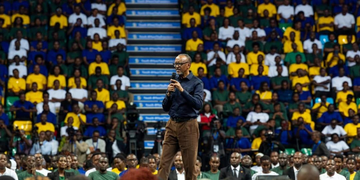
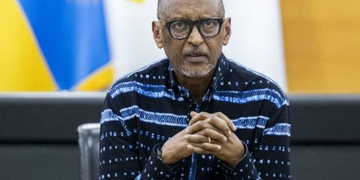
She expressed gratitude to Paul Kagame, Commander-in-Chief of the Rwanda Defence Force, for leading the liberation struggle that saved many lives.
She also appreciates government support for survivors, including education, healthcare, and better living conditions. She commends efforts to fight division and promote national unity and Rwandan identity.
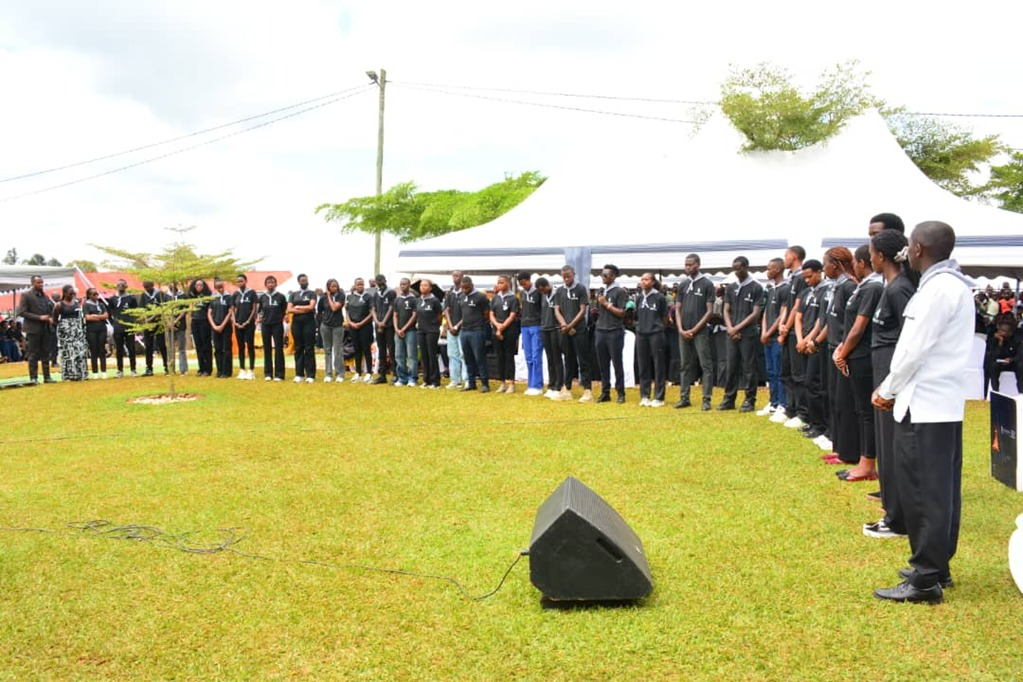
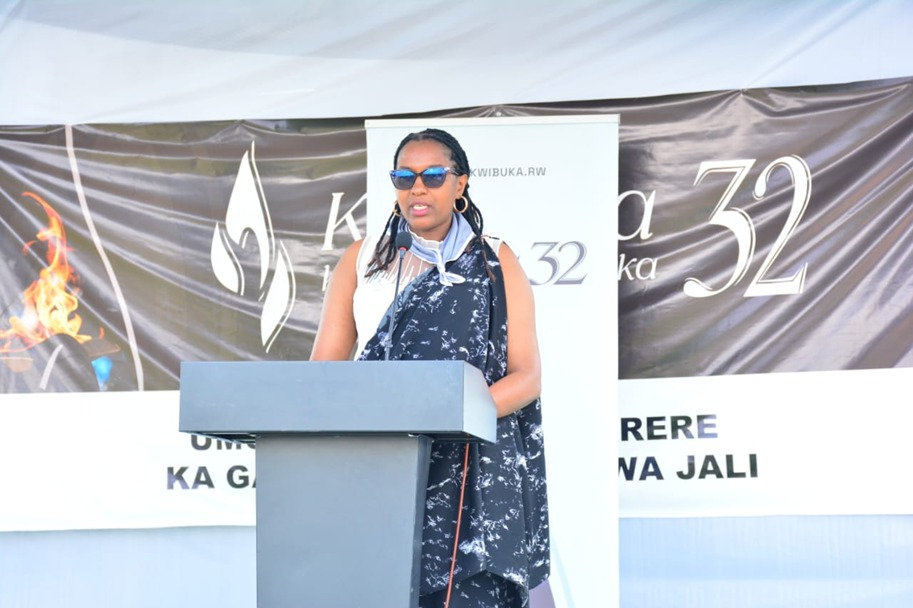
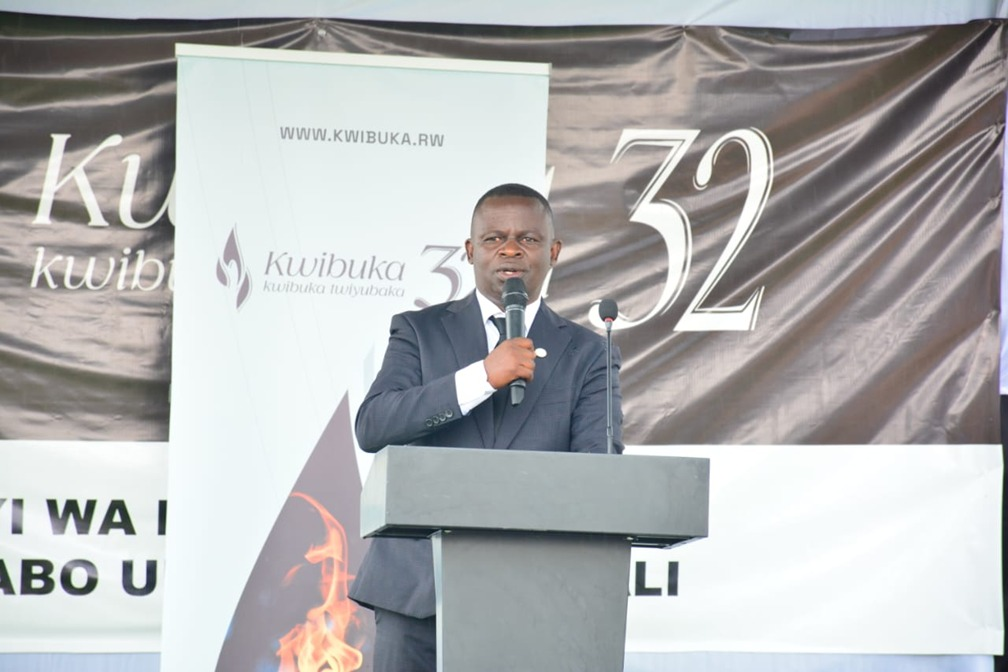
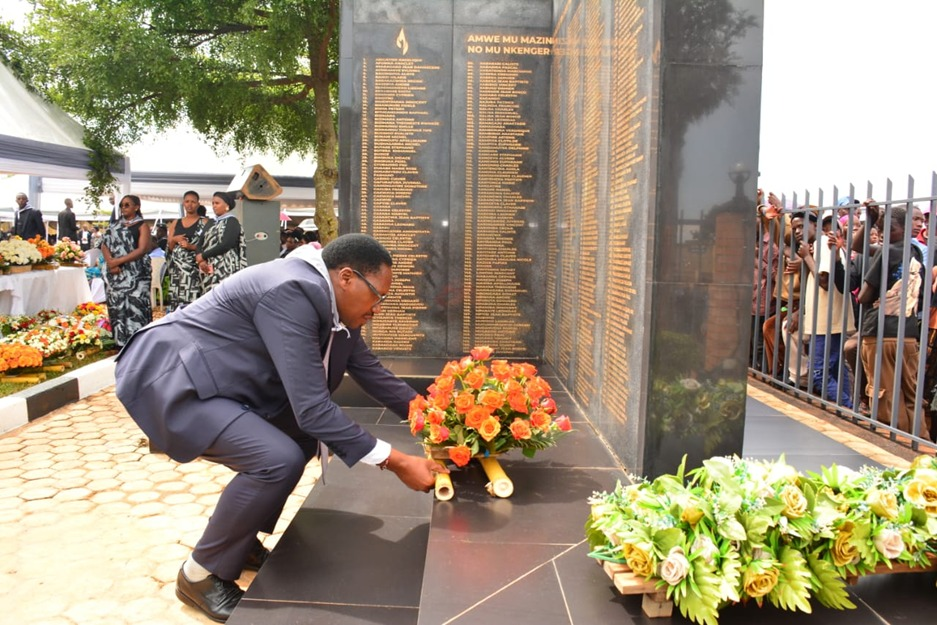
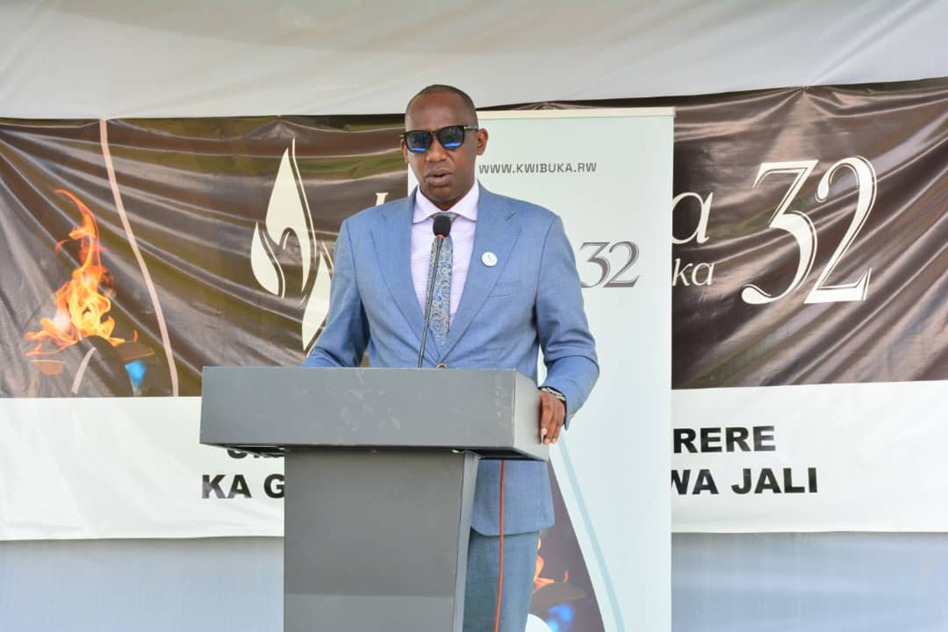
On the evening of April 12 and the morning of April 13, 2026, a commemoration event took place in Jali Sector at the Rubingo Genocide Memorial. The event honored victims of the 1994 Genocide against the Tutsi.