































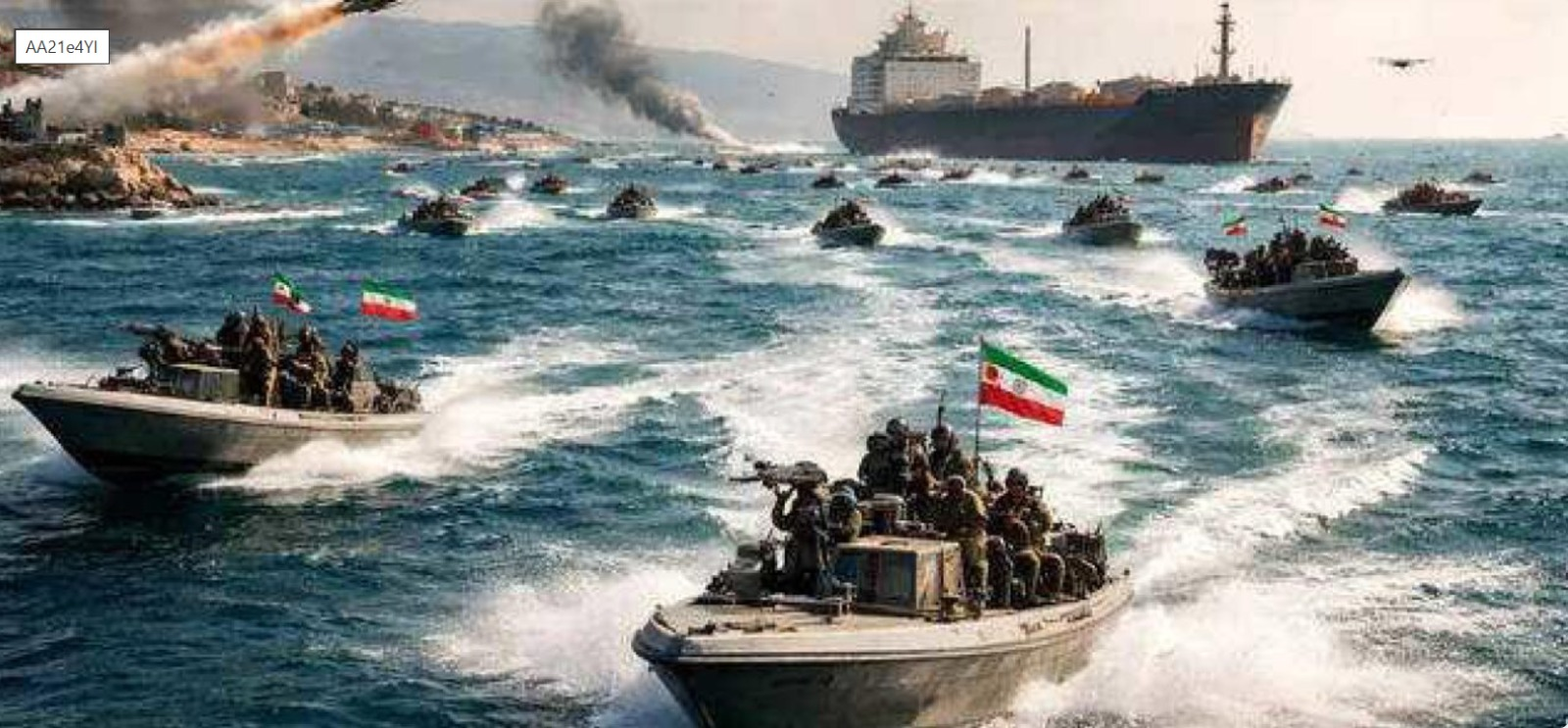
As tensions between Iran and the superpowers continue to escalate, a unique weapon is making a sudden appearance: small, fast boats known as the “mosquito fleet.” This tactic is making naval warfare, especially in the Strait of Hormuz, increasingly difficult.

While countries like the United States have large warships and sophisticated equipment, Iran has chosen a different approach: using small, fast, and cheap boats that can carry powerful weapons including missiles, heavy guns, and even suicide bombers.
ALSO READ: https://agaciropress.com/industrial-zones-rwanda-senate-review/
Swarm Tactics and the Power of Speed
These boats operate in groups and attack large enemy ships at once, like mosquitoes, and they can suddenly and unexpectedly destroy them.
It is a very difficult tactic to counter because it relies on numbers and speed rather than size.
The Strait of Hormuz is a vital global waterway, carrying a large portion of the world’s oil, making it a haven for political and economic interests.
By deploying these “mosquito ships” in the region, Iran is sending a powerful message that it can disrupt global trade in a very short time, even without the size of the United States’ fleet.
Asymmetric Warfare Strategy Explained
Military experts say that this type of warfare is where a country with limited capabilities uses unique tactics to close the gap between itself and a powerful adversary.
Iran has used this tactic for years, particularly through its Islamic Revolutionary Guard Corps, which patrols the seas, using these small ships to surprise, surround, and harass the enemy.
Although the Mosquito ships do not weigh as much as large warships, they have significant advantages in terms of deterrence, speed and mass, and difficulty in detecting radar and missile defenses.
Strengths and Weaknesses of the Mosquito Fleet
However, they have weaknesses in that they are easily targeted when detected, require surprise to win, and can suffer heavy losses in a prolonged battle.
Iran’s actions in the Strait of Hormuz continue to raise concerns around the world, especially among countries whose economies depend on oil.
NATO and other major powers continue to increase their maritime defenses, but the question remains: Are conventional warfare sufficient to counter these new tactics?
ALSO READ: https://agaciropress.com/gfi-mpanga-project-kirehe-irrigation/
A New Philosophy of Modern Naval Conflict
The “Mosquito” ships are not conventional weapons, but a new philosophy of warfare.
Iran is demonstrating that even a country without the most expensive equipment can confront giants with intelligence, speed, and a new way of thinking.
In the Strait of Hormuz, war is not just about who has the most power, but who has the most strategy
















Comments 1