
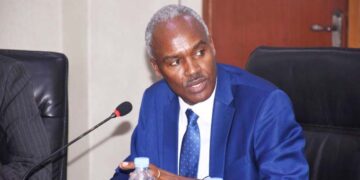
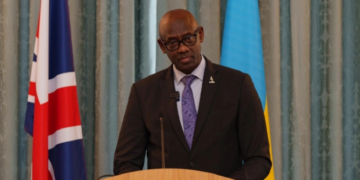




The Minister of National Unity and Civic Engagement, Dr Jean Damascène Bizimana, said that Grégoire Kayibanda who claimed Tutsi were not Rwandans, he himself had foreign ancestry from Bukavu in the Democratic Republic of the Congo.

ALSO READ: Kicukiro Community Urged to Uphold Unity Against Genocide Ideology
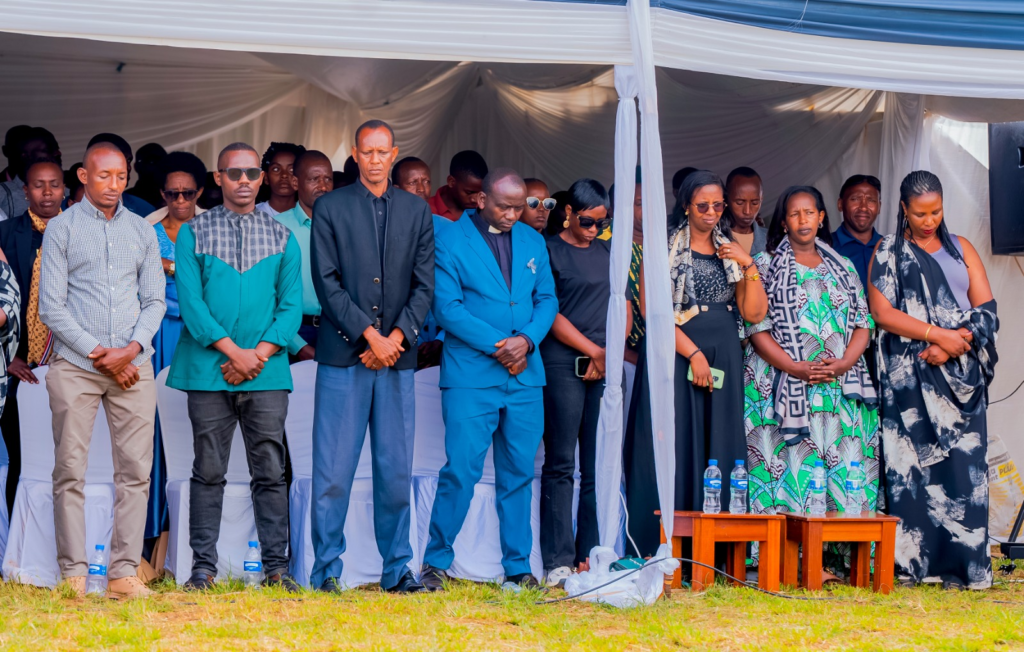
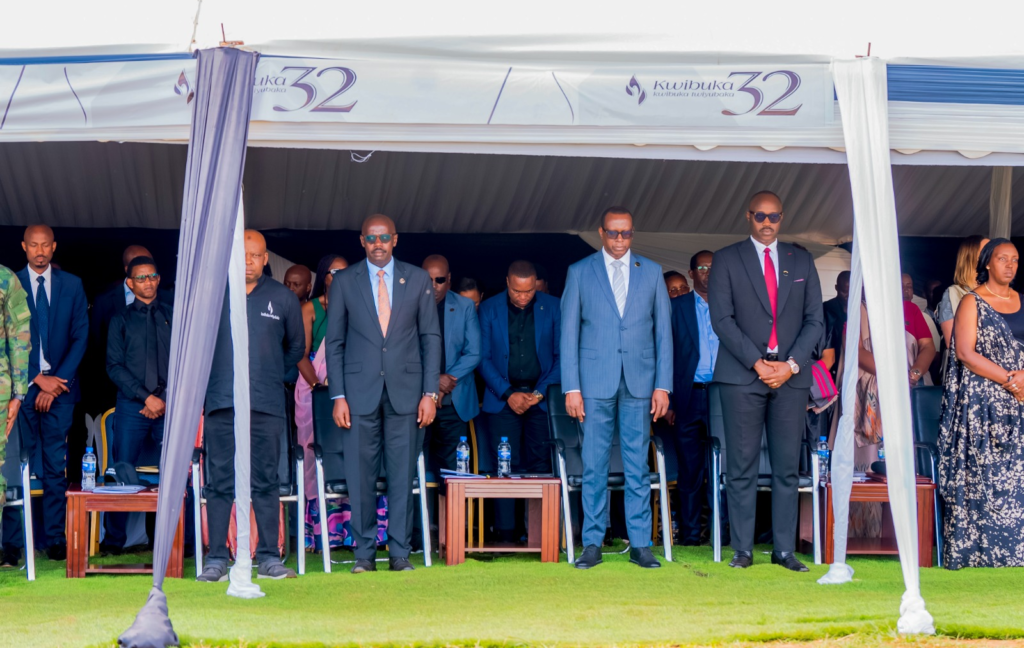
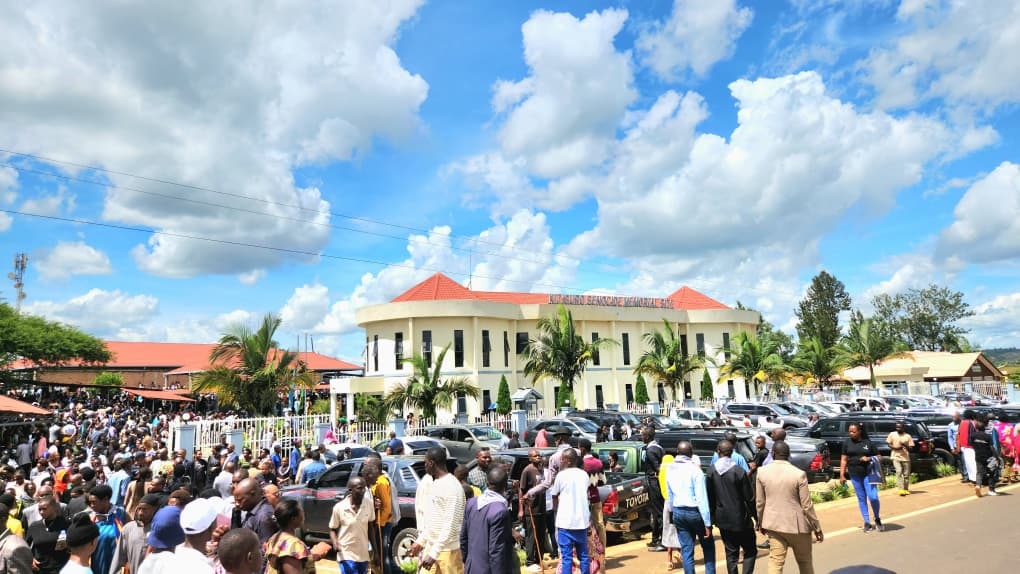
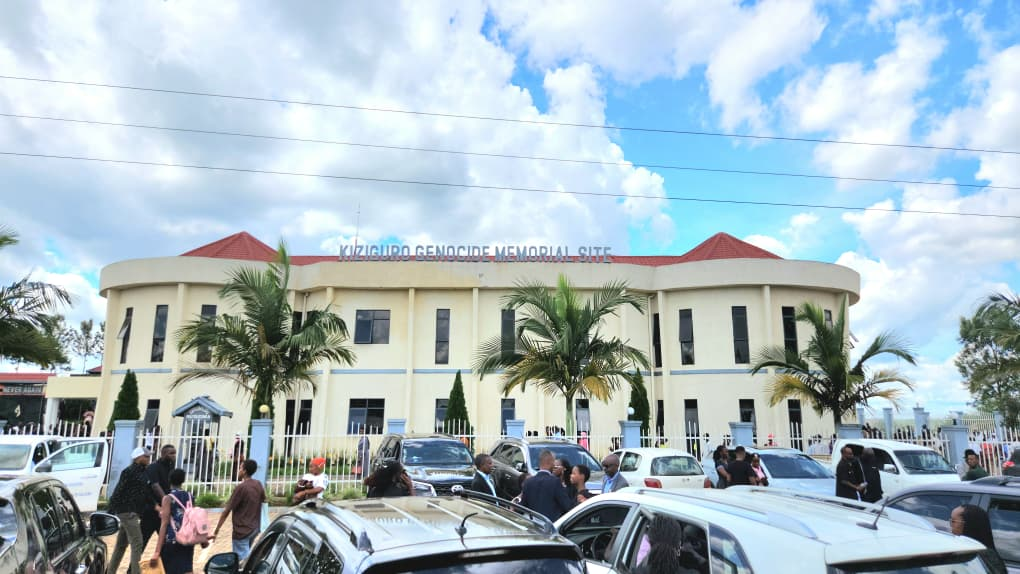
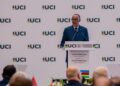
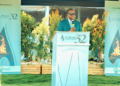
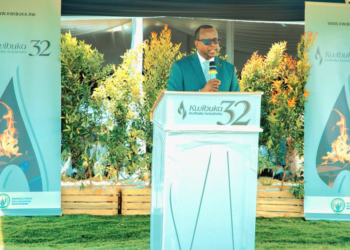
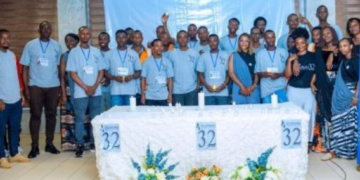
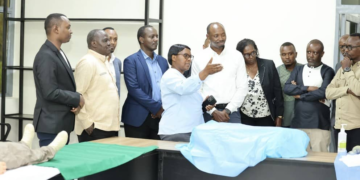
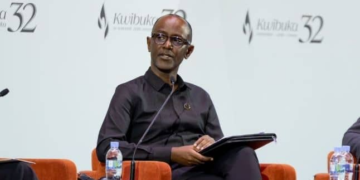
He made these remarks on April 11, 2026. where he joined residents of Gatsibo District at the Kiziguro Genocide Memorial in the 32nd commemoration of the Genocide against the Tutsi in Rwanda 1994. During his speech, he stressed a strong message: “Whoever robs a country robs its people of life.”
Moreover, he explained that the genocide did not happen by chance. Instead, it resulted from years of hateful ideology and bad leadership.
Strong Criticism of Divisive Leadership
Dr. Bizimana strongly criticized Kayibanda’s leadership. He said it promoted ethnic division among Rwandans. In addition, he explained that the former president spread hatred and fear.
Furthermore, he pointed out that Kayibanda supported Hutu supremacy. He also falsely claimed that Tutsi were not Rwandans. According to the Minister, such ideas misled people and created deep divisions.
As a result, these narratives prepared the ground for discrimination and violence. Eventually, they contributed to the genocide.
Restoring Historical Truth
Dr. Bizimana also challenged false historical claims. He emphasized the need to tell the truth about Rwanda’s past.
He stated: “President Grégoire Kayibanda, who spread hatred and promoted division, and always said that Tutsi were not Rwandans was not a Rwandan. In fact, he himself had foreign roots in Congo, Bukavu, even though he was born in Rwanda. Meanwhile, those he called foreigners had lived in Rwanda for over ten centuries. That’s true, his ancestry originated from Bukavu in the Democratic Republic of the Congo”
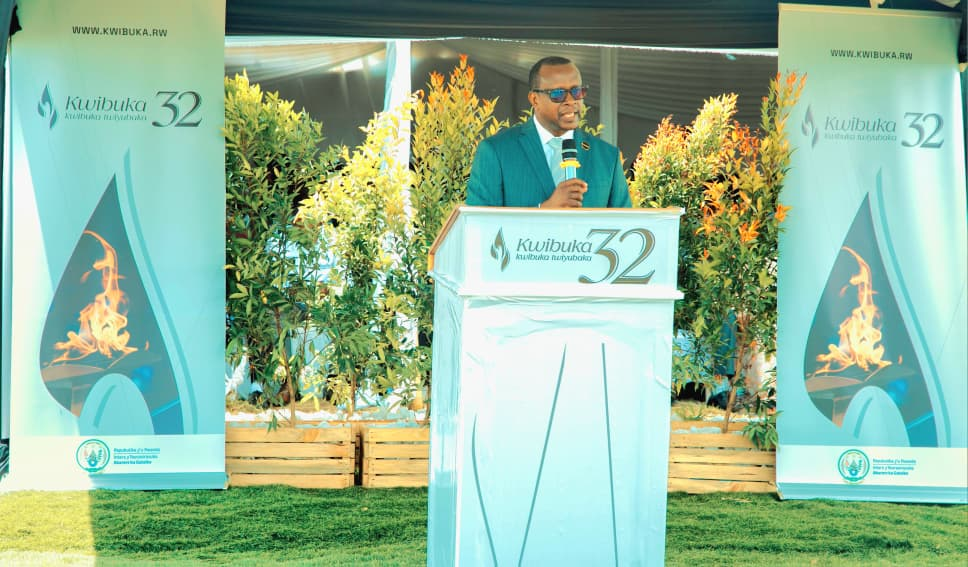
Therefore, he called on Rwandans to reject distorted history. Instead, they should embrace unity and shared identity.
Remembering Victims at Kiziguro
The commemoration took place at the Kiziguro Genocide Memorial. More than 20,183 victims are buried in and other three victims received a dignified burial.
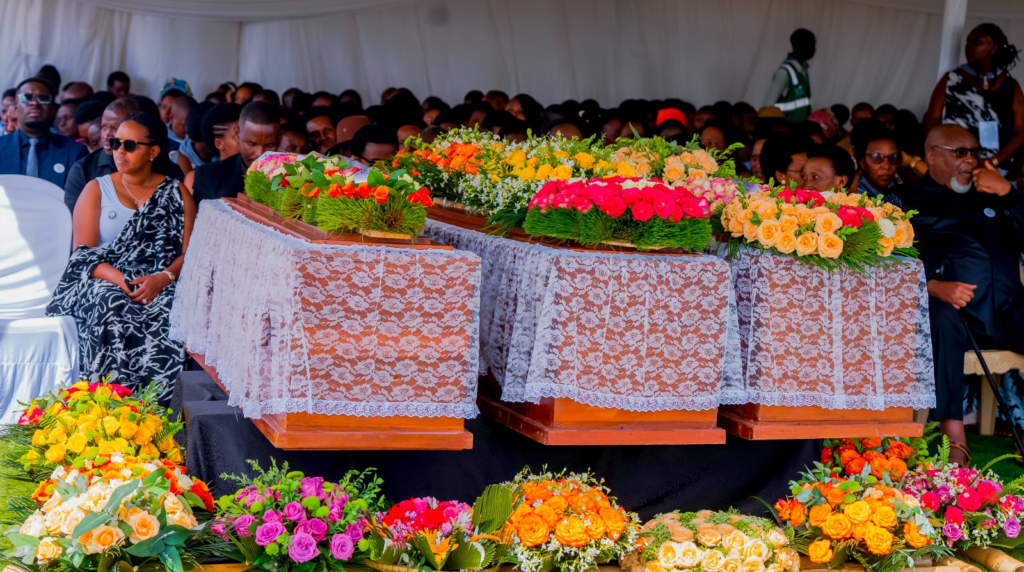
Kiziguro is one of the sites where many Tutsi were killed. Tragically, attackers threw victims into pits. Some victims were already dead, while others were still alive.
Because of this history, the site remains a painful symbol of the genocide’s cruelty.
Call for Unity and Responsibility
Dr. Bizimana urged all Rwandans to stay united. He warned against genocide ideology and any form of division.
In addition, he said that unity is everyone’s responsibility. He encouraged citizens to protect the progress Rwanda has made.
He also reminded attendees that remembrance has a purpose. It honors victims, supports survivors, and prevents future violence.
A Shared Commitment to the Future
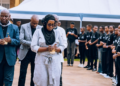
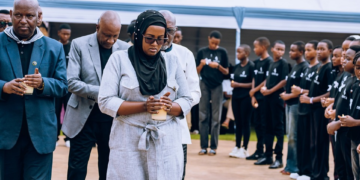
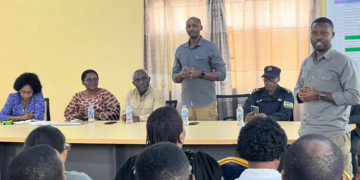
Many people attended the event, including local leaders, security officials, and residents. Together, they honored the victims and reflected on Rwanda’s journey.
Finally, the Minister stressed a clear message. Rwanda must protect truth, promote unity, and uphold justice. Only then can the country secure a peaceful future.