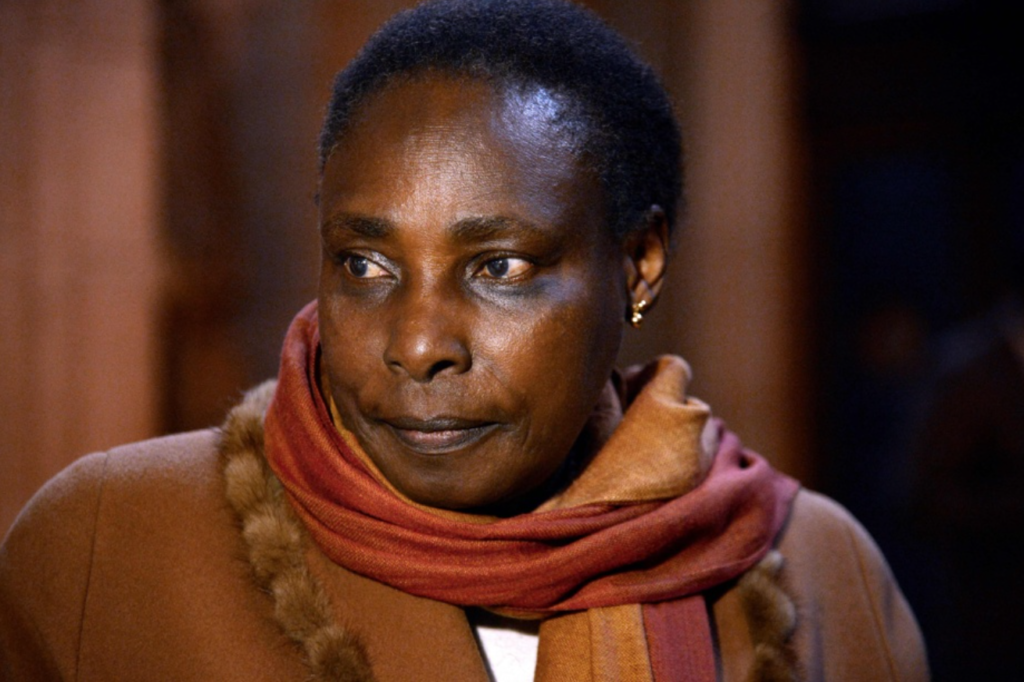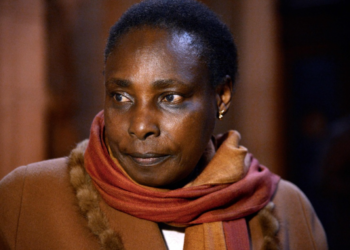
















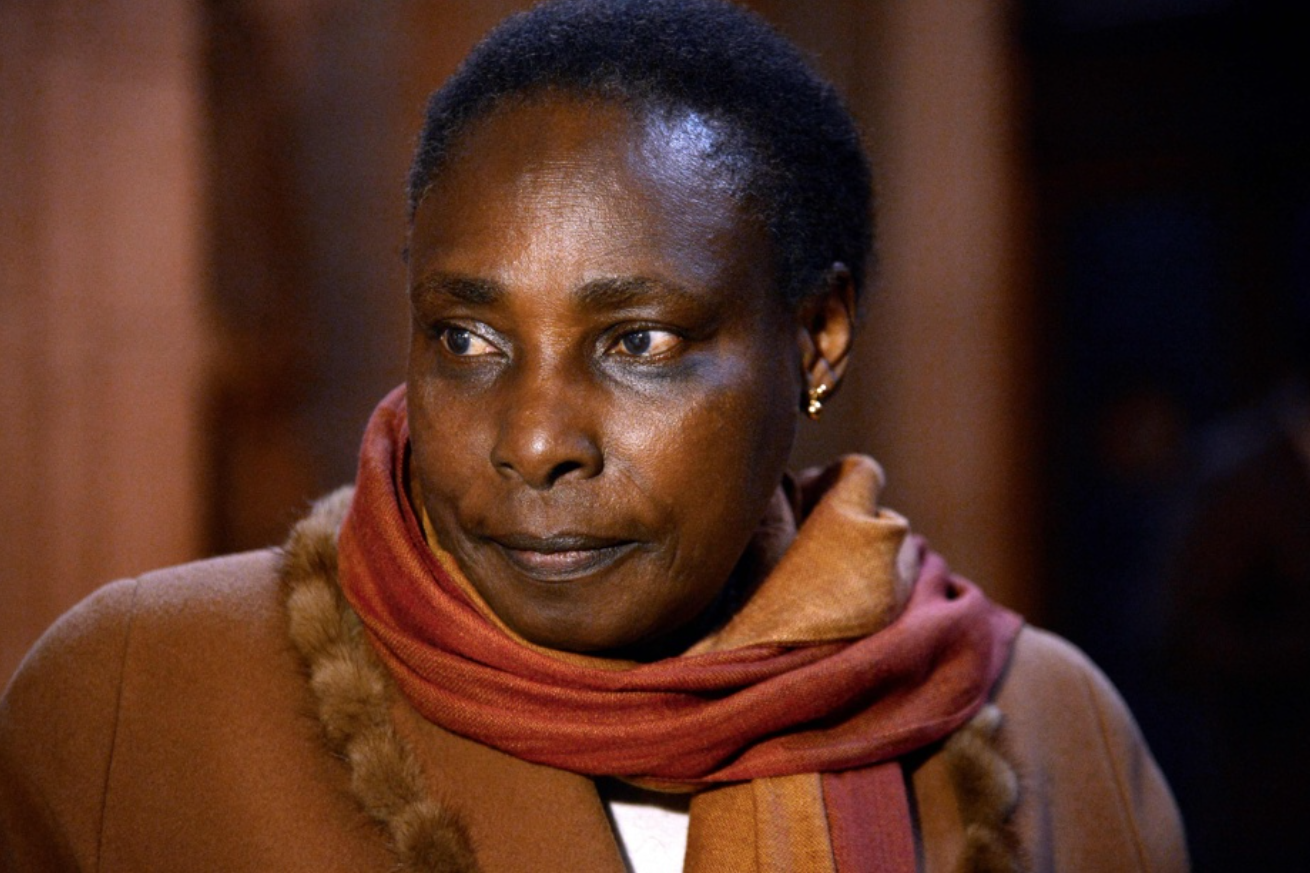
The Paris Court of Appeal has officially postponed a major decision regarding the genocide case of the Rwanda former President’s wife, Agathe Habyarimana. Judges will now announce the final ruling on May 6.

This move extends an investigation that has already lasted eighteen years. Currently, French authorities are weighing claims that Agathe belonged to the ‘Akazu’ inner circle. This group allegedly planned the 1994 Genocide against the Tutsi.
The delay comes during a period of deep national reflection for Rwandans, as the legal system in France determines whether one of the most prominent figures of the former regime will finally face a full trial for her alleged complicity in the massacres.
ALSO READ: Using Appropriate Terminology in Commemorating the Genocide Against the Tutsi
The Long Search for Justice in the Agathe Habyarimana Genocide Case
Survivors and justice advocates remain deeply interested in the outcome of this case. President Juvenal Habyarimana’ wife has lived in France since 1998, despite many efforts by Kigali to have her extradited.
A victims’ association first filed a legal complaint against her in 2008. Since that time, the case has faced many hurdles and was closed three times. However, prosecutors and civil parties refused to give up and fought to keep it alive.
Following a dismissal in August 2025, anti-terrorism prosecutors demanded a fresh review. These current deliberations will finally decide if the former First Lady stands trial.
ALSO READ: International Conference on Genocide Prevention in Rwanda
Renewed Hope for Justice in Related Cases
While the delay in the Agathe Habyarimana genocide case is a source of frustration for many, other developments in the French judicial system suggest a shift toward accountability. On the same day as this postponement, the Paris appeals court overturned a decision to drop an investigation into Cyprien Kayumba, a former Rwandan army officer.
Kayumba is accused of supplying the weapons used by Interahamwe militias during the 1994 genocide againstTutsi. Kayumba will now face trial for complicity in genocide and crimes against humanity.
This reversal indicates that French courts are increasingly utilizing universal jurisdiction to ensure that suspects residing within their borders are held responsible for international crimes.
ALSO READ: Rwandan Peacekeepers in CAR Commemorate 32 Years Since Genocide Against the Tutsi
Rwandans Await the Landmark Ruling in May
As the Rwandan community honors the memory of the victims, the 6 May ruling is a major test. Organisations like the Collective of Civil Parties for Rwanda (CPCR) continue their work to find suspects. They want to ensure France is no longer viewed as a safe haven for those who fled justice.
For survivors across Rwanda, this case is about more than just one individual. It represents the preservation of historical truth. Ultimately, it is part of the ongoing pursuit of justice for the million lives of Tutsi lost in 1994.
ALSO READ: RDF Senior Command and Staff College Students Visit Kagitumba