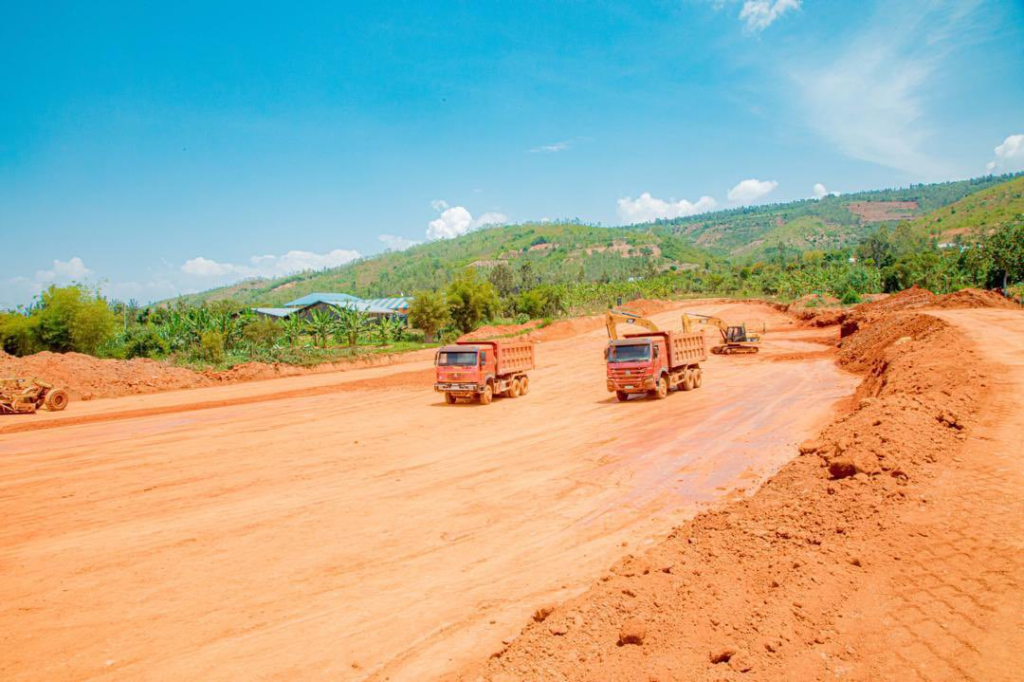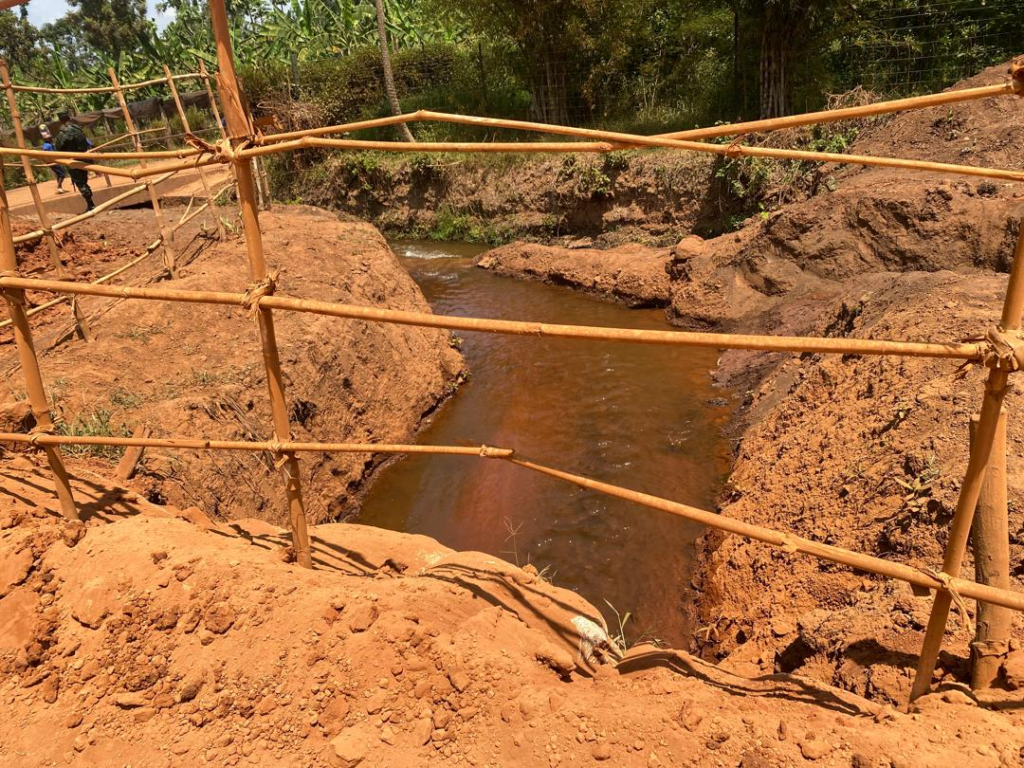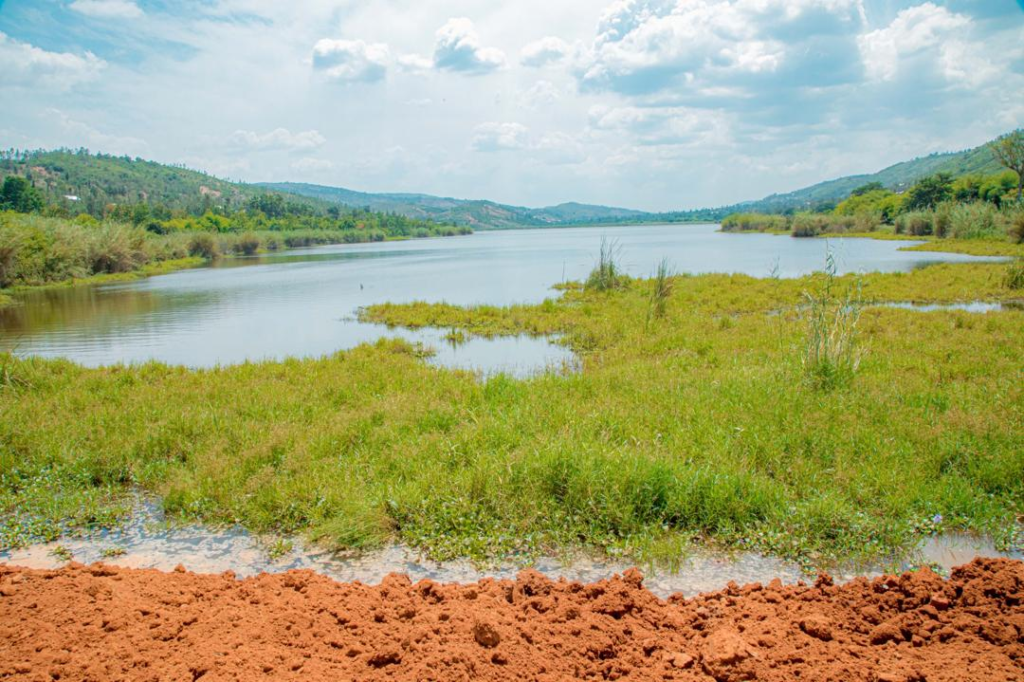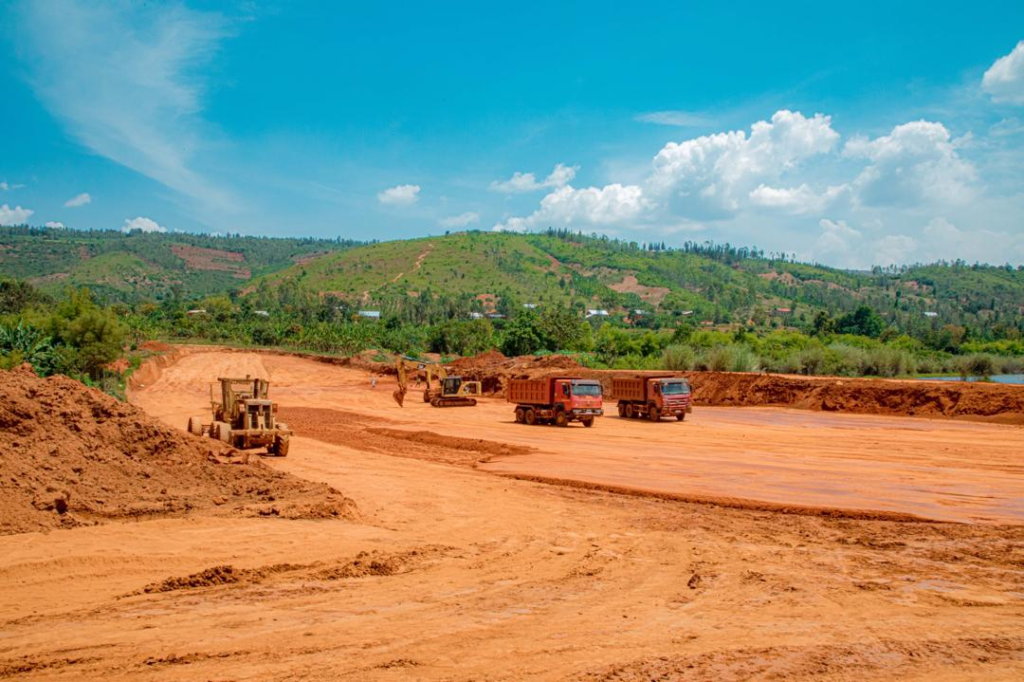

















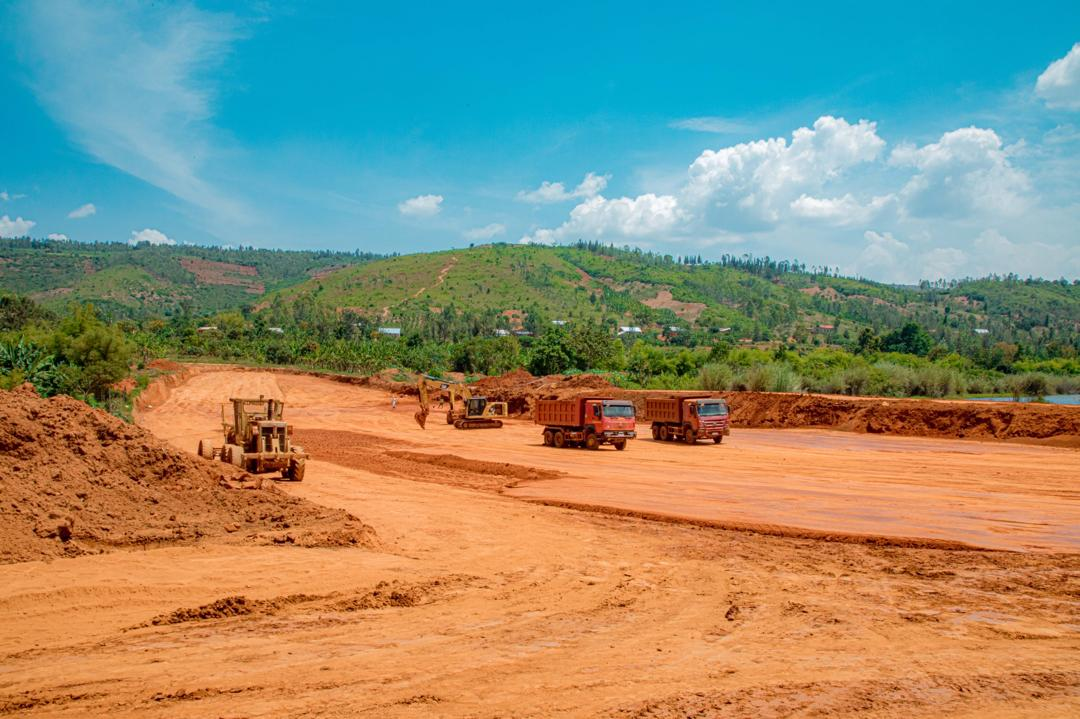
A major dam is currently under construction in Rwinkwavu Sector, Kayonza District. The dam will have the capacity to store one million cubic meters (1,000,000 m³) of water. This project forms part of a broader irrigation program launched by the district to help residents of Kabare and Rwinkwavu sectors tackle recurring drought.

ALSO READ: Rwanda Provides Humanitarian Aid to Flood Victims in Mozambique
The initiative represents one of the district’s strategic investments aimed at strengthening agricultural resilience and improving rural livelihoods.
Kayonza Among Rwanda’s Drought-Prone Districts
According to data from the National Institute of Statistics of Rwanda (NISR), about 75% of Kayonza District is classified as drought-prone. The remaining 25% also faces challenges linked to climate change and insufficient rainfall.
Since the majority of residents depend on agriculture for their livelihoods, unpredictable weather patterns have severely affected crop yields and household incomes. Recurrent dry seasons have made farming increasingly difficult, highlighting the urgent need for sustainable water solutions.
Dam to Irrigate Over 200 Hectares
Water from the new dam will irrigate more than 200 hectares of farmland during the first phase of the project. This is part of a long-term plan to irrigate up to 5,000 hectares across Kayonza District.
District authorities believe the project will significantly increase agricultural productivity and reduce the negative impact of drought. With access to reliable irrigation throughout the year, farmers will no longer depend entirely on seasonal rainfall.
4.5 Billion Franc Investment in Agriculture
The project is being implemented through a partnership between Kayonza District and the Kayonza Water and Irrigation Improvement Project (KWIIP), in collaboration with the Ministry of Defence.
The total investment is estimated at 4.5 billion Rwandan Francs. Of this amount, 3 billion Rwandan Francs will finance the construction of the dam and water distribution infrastructure. The remaining funds will support fruit tree planting to promote value addition, diversify agricultural production, and increase household incomes.
ALSO READ: Minister Bizimana Urges Citizens to Emulate National Heroes Through Service and Development
Farmers Express Hope for Transformation
Local farmers have welcomed the project with optimism, saying it will transform their lives.
Jean de Dieu Niyomugabo, a farmer from Kabare Sector, explained: “We used to rely entirely on rainfall. When the rains failed, we suffered heavy losses. This dam will allow us to irrigate our crops whenever necessary, increase production, and improve our living conditions.”
Claudine Mukandayisenga, a resident of Rwinkwavu Sector, also shared her expectations: “During drought periods, crops would dry up, and we would face food shortages with little to sell. The dam will enable us to grow vegetables and fruits even during the dry season. We will earn income and fight malnutrition.”
ALSO READ: Prime Minister Joins Gahini Residents in Community Work to Rehabilitate Roads
District Leadership Focuses on Long-Term Solutions
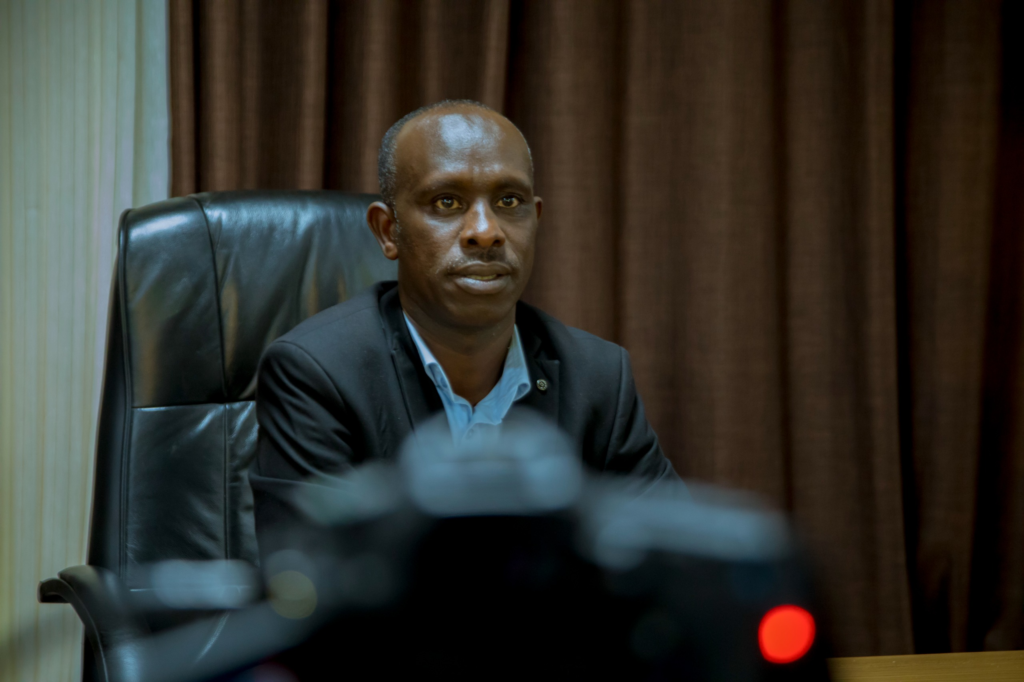
The Mayor of Kayonza District, Fred Hategekimana, emphasized that addressing drought remains a top priority.
He noted that a large portion of the district frequently experiences drought, which is why local authorities prioritize irrigation projects and water infrastructure development.
He said: “Statistics show that a large part of our district frequently experiences drought. That is why we prioritize irrigation projects and the construction of water infrastructure. This dam is a sustainable solution that will help residents increase agricultural production and achieve self-reliance.”
In addition, the fruit tree planting initiative will complement irrigation efforts by promoting high-value crops and strengthening the local economy.
Once completed and fully operational, the Rwinkwavu dam is expected to provide a lasting solution to drought challenges in Kabare and Rwinkwavu sectors. With improved irrigation systems in place, agriculture will remain a key pillar of economic development in Kayonza District.