






















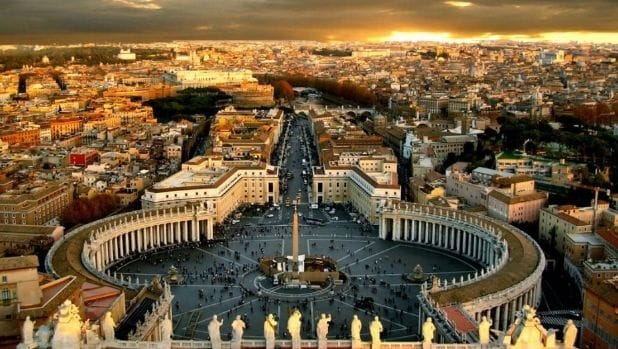
The Vatican has announced that it will not join the proposed “Board of Peace” introduced by the President of the United States, Donald Trump. Church officials said that matters concerning global peace and security should remain under the authority of the United Nations.

ALSO READ: Denmark Officially Opens New Embassy in Kigali to Strengthen Ties
The decision adds to growing international debate over the structure and mandate of the new body.
Cardinal Parolin Explains the Vatican’s Position
On February 17, 2026, the Vatican’s Secretary of State, Pietro Parolin, confirmed the decision. He stated that the Catholic Church sees no justification for creating a new institution with responsibilities that already fall under existing international frameworks.
“The Vatican will not join the Board of Peace because its structure differs significantly from established international institutions,” he said. He emphasized that issues related to global peace should remain within the United Nations system.
Italy Also Rejects Participation
The Vatican’s announcement follows a similar decision by Italy, which declined to participate. Italian officials stated that the proposed body does not align with the country’s constitutional principles.
These decisions reflect broader concerns among some governments about the legal and institutional implications of joining the initiative.
Origins and Expansion of the Board of Peace
President Trump first introduced the idea of the Board of Peace in September 2025. He initially presented it as a mechanism to help address the conflict in Gaza. Later, he expanded its proposed mandate to include other global conflicts.
The body officially launched in January 2026. Since then, it has attracted both support and criticism from the international community.
ALSO READ: Ethiopia Reuters Accreditation Suspension Over RSF Report
International Concerns and Divided Support
Several leaders have questioned whether the Board of Peace could weaken the role of the United Nations. Among them is UN Secretary-General António Guterres, who stressed that responsibility for maintaining international peace should remain with the United Nations.
Reports indicate that 26 countries have joined the body out of about 60 invited. Other states have declined or expressed reservations. Critics argue that the initiative does not fully respect the principles of equal sovereignty and established international governance norms.
As debate continues, the future role and influence of the Board of Peace remain uncertain within the broader global diplomatic framework.











Comments 1