





























Every year on February 14, couples celebrate Valentine’s Day. They exchange gifts, share meals, and spend special time together. Many couples also choose to become intimate.Intimacy is a personal choice, but it carries responsibility. Health professionals encourage self-control. They also advise people to use protection if they engage in sexual activity. Before you act, ask yourself: did I protect myself and my partner.

ALSO READ: Kamonyi-Muhanga Highway Reopens Following Overnight Traffic Disruption
A Serious Global Health Issue
Sexually transmitted infections (STIs) continue to affect millions of people. The World Health Organization (WHO) reports that more than one million people contract an STI every day.In 2020, about 846 million people worldwide lived with incurable STIs. That means at least one in five people carried a lifelong infection. These numbers show that STIs remain a major public health concern.
The Hidden Consequences of STIs
STIs do more than cause temporary discomfort. They increase the risk of cervical, anal, and oral cancers. They also cause infertility and pregnancy complications.Some infections pass from mother to child during pregnancy or childbirth. Others damage internal organs without early warning signs. Regular testing helps detect infections before they cause serious harm.
HIV: A Continuing Threat
HIV remains one of the most dangerous sexually transmitted infections. The virus attacks the immune system and weakens the body’s natural defenses.Many people live with HIV for years without symptoms. During that time, the virus continues to spread and damage the body. Early testing and treatment help people live longer and healthier lives.In Rwanda, national statistics show thousands of new HIV cases in recent years. Urban areas report higher numbers. These figures highlight the need for prevention and awareness.
Hepatitis B and HPV: Preventable but Risky
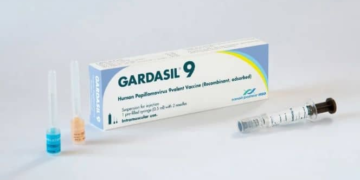
Hepatitis B spreads through sexual contact, infected blood, and childbirth. It attacks the liver and can lead to long-term illness. Doctors provide an effective vaccine, but chronic infection has no complete cure.Human Papillomavirus (HPV) causes most cases of cervical cancer. It also contributes to anal and other reproductive cancers. Some types cause genital warts, while others show no visible symptoms.The World Health Organization links hundreds of thousands of cancer cases each year to HPV. Vaccination and screening greatly reduce these risks.
Herpes and Syphilis: Infections With Lasting Impact
Herpes causes painful sores around the mouth or genitals. The virus stays in the body for life and can reactivate. Treatment reduces symptoms, but it does not remove the virus.Syphilis develops in stages. Doctors can cure it with early treatment. Without care, it damages organs, affects the brain, and harms unborn children. Regular medical checkups prevent these severe outcomes.
Curable Infections That Still Cause Harm
Doctors can treat gonorrhea, trichomoniasis, and chlamydia. However, untreated infections can cause infertility and chronic pelvic pain. Repeated infections increase the risk of long-term damage.Trichomoniasis often affects young women and causes itching, pain, and discharge. Chlamydia may show no symptoms, yet it can silently damage the reproductive system.
Make Responsible Choices
Love should bring joy, not regret. Sexual health requires awareness and responsibility.You can protect yourself through abstinence, faithfulness within marriage, vaccination, regular testing, and correct use of protection. Wise decisions today protect your future tomorrow.