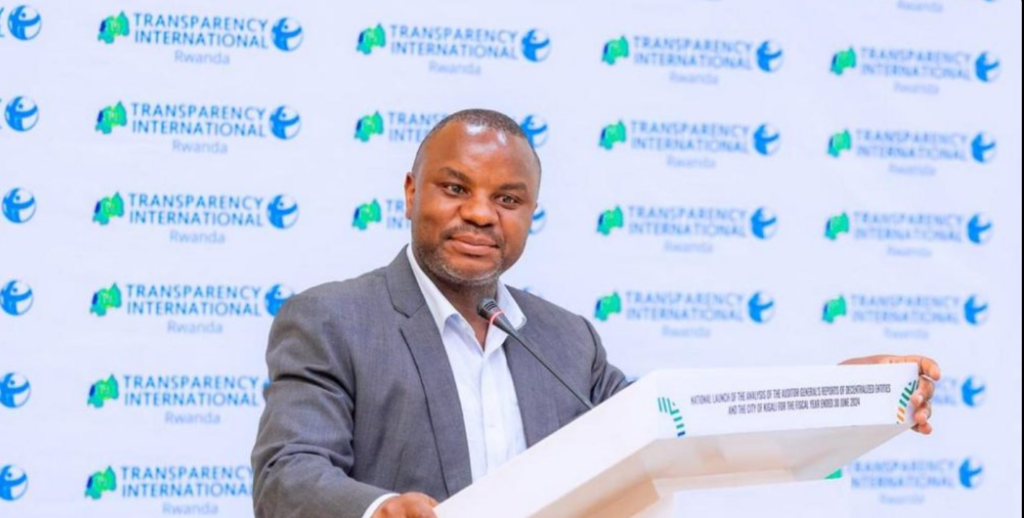










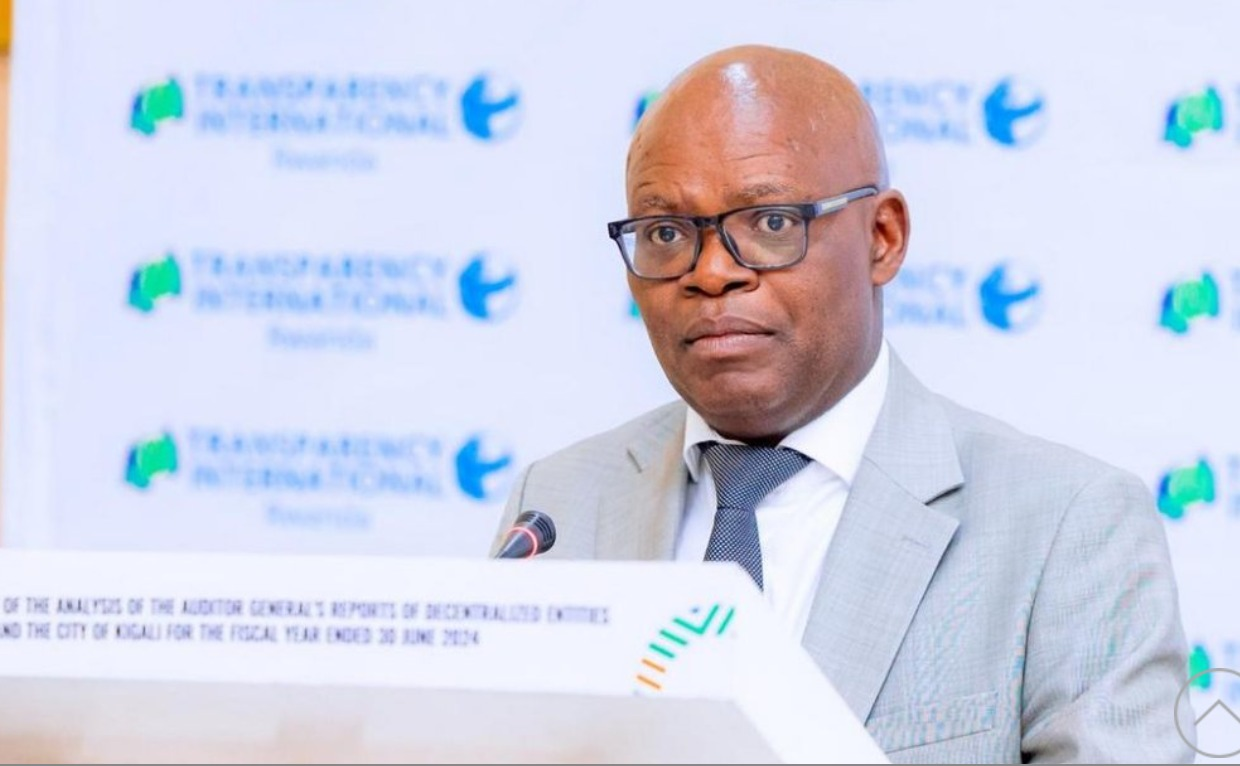
Transparency International Rwanda has revealed serious financial problems in public spending. In its analysis of the Auditor General’s report on the 2023/2024 budget, it found that 2057.6 billion Rwf, or 99% of the budget used by districts and the City of Kigali, had errors. Many of these errors led to losses for the State.

Major Areas of Concern
First, the report shows that many errors came from the awarding of public contracts, which made up 40% of the issues. In addition, institutions spent money without clear records. They also lost funds in unsuccessful court cases, and some cases involved bribery of public officials.
Rising Financial Losses
Moreover, the analysis shows that financial losses increased sharply. More than 14.25 billion Rwf was lost, compared to 4.08 billion Rwf in 2022–2023. As a result, the findings point to growing weaknesses in financial control.
Unaccounted Public Funds
Furthermore, TI Rwanda reported that institutions spent over 13 billion Rwf without proper explanation or supporting documents. Therefore, this raises serious concerns about transparency and accountability in public institutions.
Mismanagement of Public Assets
At the same time, the report highlights poor management of district assets. The value of unregistered and mismanaged assets reached 715.105 billion Rwf, up from 369.56 billion Rwf in the previous year. This increase shows that the problem continues to grow.
Governance and Procurement Challenges
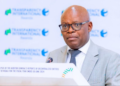
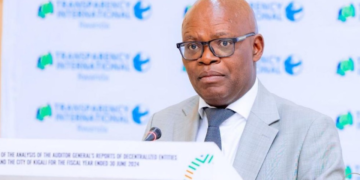
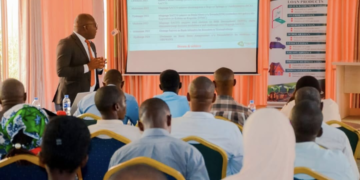
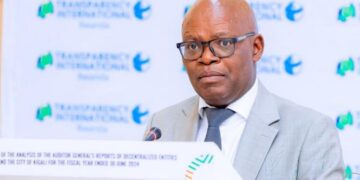
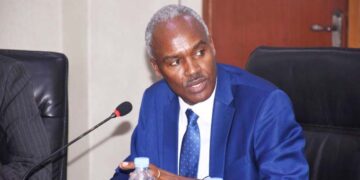
In addition, governance issues affected over 1,343 billion Rwf. TI Rwanda Executive Director, Appolinaire Mupiganyi, explained that procurement processes remain a major concern and may create opportunities for corruption.
He said, “Non-compliance with government procurement procedures should gradually decrease. This is where the problems we mentioned about building unused infrastructure are reflected.”
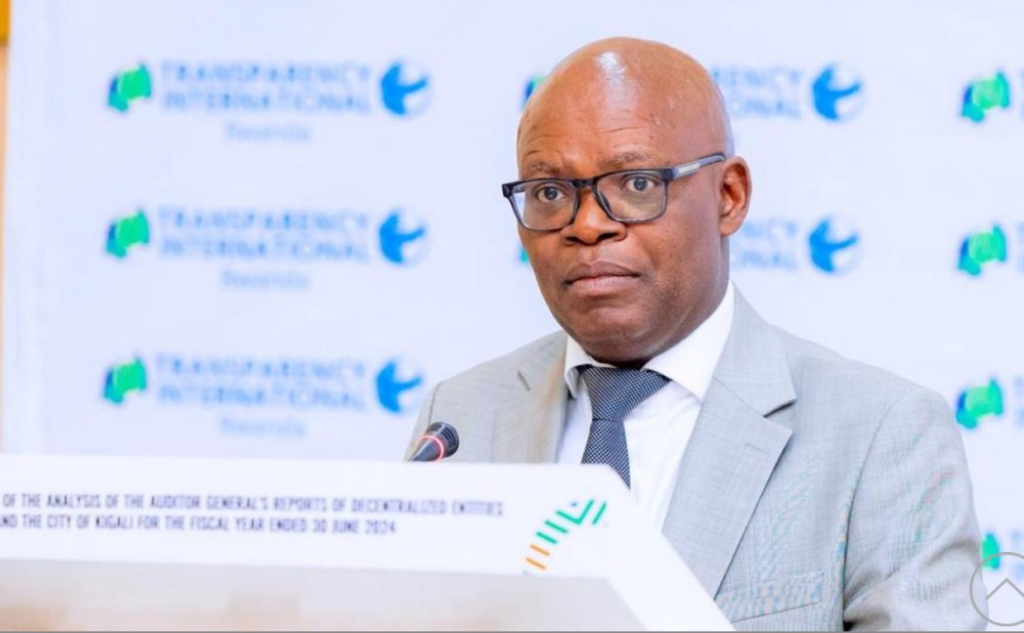
He continued, “The issue of procurement and its procedures is where corruption, which we are responsible for combating, is manifested, and where the biggest fish hide. This means that a system should be established and procurement procedures should be tightened and those who did not comply with the rules should be punished, even if you do not see that any money was received.”
Impact of Poor Planning
Meanwhile, the report shows that some districts invest in projects that do not benefit the population. For example, they build markets far from communities, set up factories in unsuitable locations, and develop hotels that do not generate income. Consequently, such decisions lead to financial losses.
ALSO READ: Ruhango: Launches Pilot Waste Management Project with French
Government Response and Way Forward
However, government officials say they are taking steps to address these issues. The Director of Mobilization and Volunteering in the Ministry of Local Government, Kubana Richard, explained that the analysis helps identify gaps and guide improvements.
He said, “We also analyze and see what they have shown us, there are cases where certain documents are missing, but these are things that require cooperation. As we are shown them, we improve them more.”
Therefore, authorities will focus on improving procurement systems and ensuring that institutions follow the law.
Compliance Levels Across Districts
TI Rwanda reported that 21 districts followed the Auditor General’s recommendations at a rate of 70%. However, nine districts remain below that level. For instance, Ngoma District stands at 47%, while the City of Kigali stands at 51%.