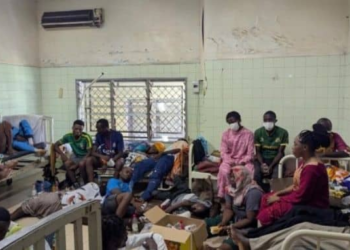











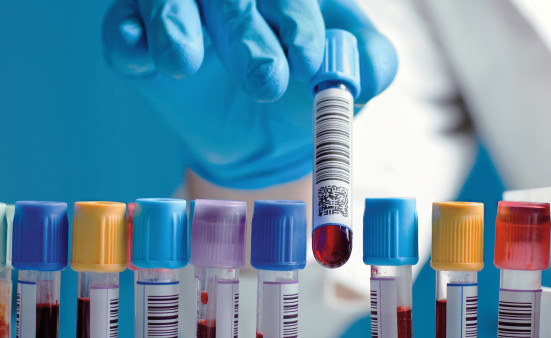
South African scientists have launched the world’s first human clinical trial of a new HIV vaccine. This milestone could change the global fight against HIV. The trial, called BRILLIANT 011, started in late January 2026 at the Desmond Tutu HIV Foundation (DTHF) clinic at Groote Schuur Hospital in Cape Town.

ALSO READ: Minister Bizimana Urges Citizens to Emulate National Heroes Through Service and Development
Importantly, the launch comes at a difficult time. Sudden international funding cuts have disrupted HIV research across Africa. Despite this, researchers pushed forward. They say the trial shows Africa’s determination to lead scientific solutions to its own health challenges.
A Major Step Forward in HIV Research
The BRILLIANT 011 trial marks the first time scientists have tested this new HIV vaccine candidate in humans. Researchers say this step follows years of preparation and collaboration.
ALSO READ: DRC Confirms It will present a Candidate to Challenge Mushikiwabo at the OIF
Moreover, conducting the trial in South Africa is significant. Africa carries the highest burden of HIV worldwide. Therefore, testing vaccines in affected communities ensures the results are relevant and effective.
African-Led Innovation at the Core
The South African Medical Research Council (SAMRC) leads the trial together with the Desmond Tutu HIV Foundation and the Wits Health Consortium. The study is part of the BRILLIANT Consortium, formed in 2024.
ALSO READ: Jeannette Kagame Calls for Strong Commitment to Values at Imbuto Foundation General Assembly
Notably, the consortium brings together scientists from eight African countries. These include South Africa, Nigeria, Uganda, Kenya, Tanzania, Zimbabwe, Zambia and Mozambique. Many leadership roles are held by African women scientists.
The vaccine aims to trigger broadly neutralising antibodies (bNAbs). These antibodies can fight many HIV strains at once. As a result, scientists believe the vaccine could transform HIV prevention, especially in Southern Africa.
Early Efforts to Protect Infants
At the same time, a separate phase I study is underway in Johannesburg. This study tests an adjuvanted HIV vaccine called CH505TF gp120 in HIV-exposed newborns. The University of the Witwatersrand’s Perinatal HIV Research Unit leads the trial.
ALSO READ: Prime Minister Joins Gahini Residents in Community Work to Rehabilitate Roads
So far, 28 infants have received three vaccine doses at 8, 16 and 24 weeks. Early findings are encouraging. Researchers report that the vaccine is safe and causes only mild side effects. In addition, early immune responses look promising.
Funding Cuts, Setbacks and Determination
In January 2025, a US government order paused funding through USAID and PEPFAR. As a result, many HIV research projects stopped suddenly. Patrick Arbuthnot from Wits University said officials ordered his lab to halt years of research on elite HIV controllers.
Across sub-Saharan Africa, the impact was immediate. Clinics closed temporarily, and prevention supplies ran short. Esther Casas from Doctors Without Borders said the sudden cuts caused serious harm. Experts now warn that permanent funding losses could lead to hundreds of thousands of new HIV infections and deaths over the next decade.
ALSO READ: If Sanctions Could Solve the DRC’s Problems, We Would Accept Them Tomorrow_ Minister Nduhungirehe
However, the BRILLIANT Consortium survived. After losing a $45.6 million USAID grant, it received emergency funding from the SAMRC and the Bill & Melinda Gates Foundation. Because of this support, the trial continued in South Africa.
Meanwhile, other advances offer hope. Trials of lenacapavir, a long-acting injectable PrEP drug, showed 100 per cent effectiveness among young women. Still, funding problems have delayed wider access.
Despite the challenges, scientists remain focused. “The work isn’t finished,” Arbuthnot said. “But we were getting there.”
Ultimately, the launch of BRILLIANT 011 proves that the dream of an HIV-free generation remains alive—driven by African leadership, resilience and scientific excellence.