





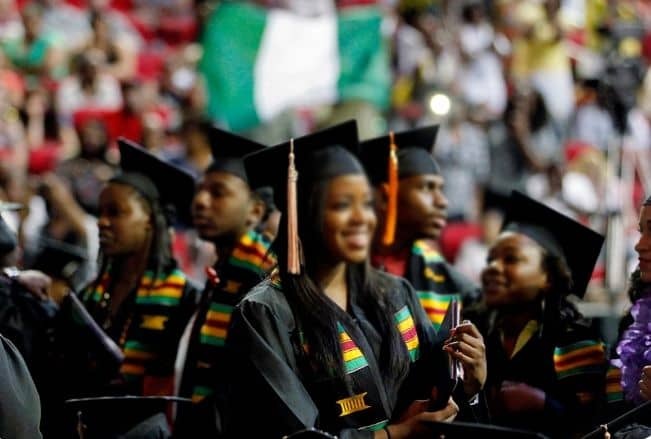
A new study by Transparency International (TI) shows that corruption in education continues to deny women and persons with disabilities equal access to learning in Africa. The report was released on 27 January 2026. It is based on research conducted in Rwanda, the Democratic Republic of the Congo (DRC), Ghana, Madagascar, and Zimbabwe.
Overall, the findings reveal that both sexual exploitation and financial bribery remain serious obstacles to inclusive education across the continent.

ALSO READ: Muhoozi Denies Allegations of Assault on Bobi Wine’s Wife
Sexual Exploitation Linked to Academic Progress
One of the most troubling findings is the demand for sexual favors in exchange for academic benefits. In many cases, students are pressured to comply in order to receive good grades or gain admission into schools.
Additionally, some learners face abuse when seeking permission to continue their studies, access internships, or secure scholarships. As a result, education systems meant to protect students instead expose them to exploitation.
Victims Remain Silent Due to Fear
Despite the seriousness of these abuses, many victims choose not to report them. According to the report, fear of stigma and retaliation plays a major role.
Moreover, weak reporting systems and limited support services discourage students from coming forward. Consequently, abusive behavior by teachers and school administrators often goes unpunished.
Country-Specific Findings Highlight Systemic Corruption
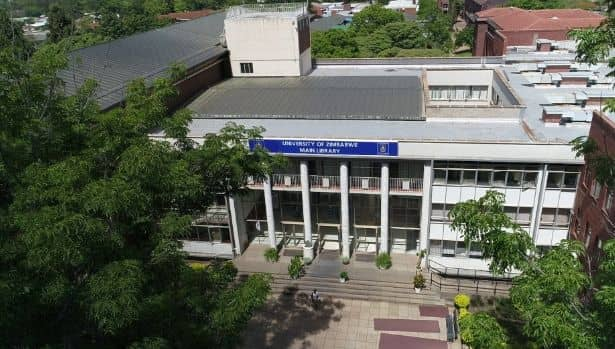
The report outlines different corruption patterns across countries. In Zimbabwe, 76% of respondents said they had experienced or knew about corruption during school admissions.
Similarly, in the DRC, more than 56% reported paying bribes or witnessing others do so to gain admission. Meanwhile, in Madagascar, 60% of parents of children with disabilities said schools imposed illegal fees and discriminated against their children.
In addition, Ghana’s education sector is affected by “ghost workers,” while Rwanda faces transparency gaps in exam marking, internship allocation, and school feeding programs.
Transparency International Calls for Urgent Reforms
Albert Rwego Kavatiri, Program Manager at TI-Rwanda, said corruption persists due to weak oversight and inconsistent enforcement of penalties. He also pointed to the lack of gender-responsive policies and limited citizen empowerment.
Therefore, Transparency International has urged African governments to strengthen accountability systems. The organization says reforms are essential to protect vulnerable learners and ensure equal access to education. Without such action, inclusive education will remain out of reach for millions of students across Africa.







Courage Claude