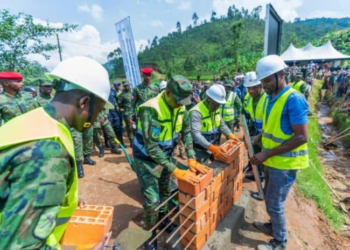

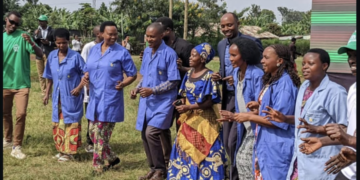
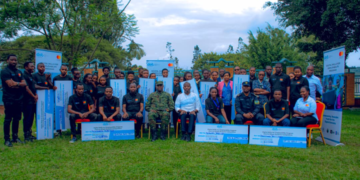







Since 2009, the Rwanda Defence Force (RDF) and the Rwanda National Police have worked with communities across Rwanda to improve people’s lives.

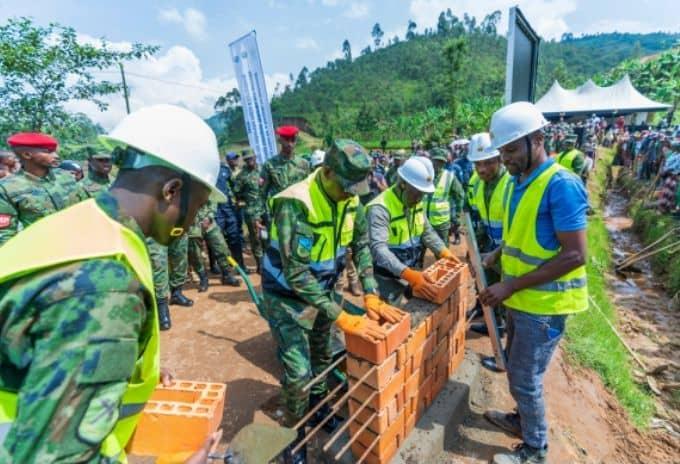
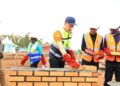
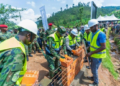
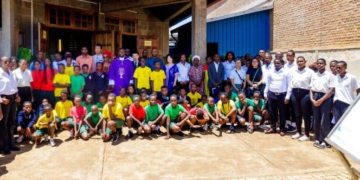
Through this partnership, the security institutions have supported many development projects. They have built schools, houses, health centers, and roads in different parts of the country.
ALSO READ: Only 10% of Ukrainians Join the Military Voluntarily
The program focuses on helping vulnerable families and improving public services.
Program Expanded Over the Years
The initiative started in 2009 under the name Army Week. At that time, soldiers spent a week working directly with communities.
In 2017, authorities renamed the initiative the Citizen Outreach Program (COP). The new name reflected a wider focus on development and community welfare.
In 2024, the program expanded again. The RDF and the police joined efforts under a new framework called the Community–Security Organs Partnership Initiative.
Thousands of Houses and Infrastructure Built
Reports show major achievements since the program started. The RDF and police have built 89,340 houses for residents. They also created 85 model villages.
The initiative also supports agriculture and infrastructure. Teams constructed terraces on 1,173,455 hectares of land to reduce soil erosion.
They also built more than 283,788 kilometers of roads and 30 health centers across the country.
Medical Services Reach Hundreds of Thousands
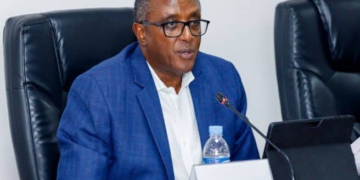
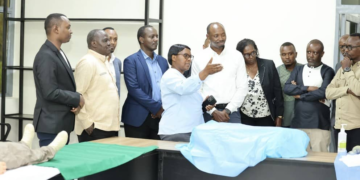
The Deputy Spokesperson of the RDF, Simon Kabera, said the program also provides healthcare services to communities.
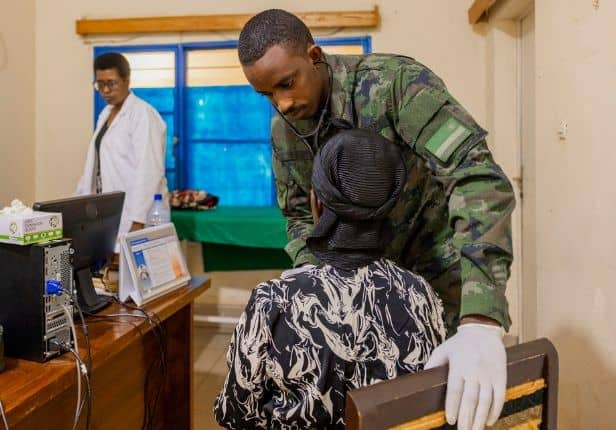
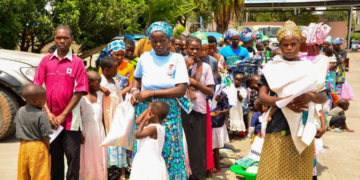
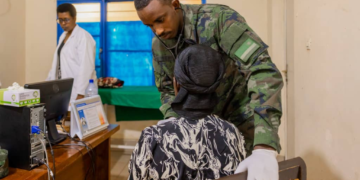
Medical teams from the RDF treated 621,639 patients during outreach activities.
They also helped communities access basic services. The program supplied clean water to 80,536 households and connected 107,563 households to electricity.
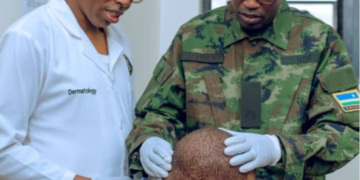
Kabera said doctors provide several services. These include treatment for common illnesses, surgery, pediatric care, gynecology, orthopedic care, dermatology, dental care, and eye treatment.
2026 Activities Launched Nationwide
The 2026 edition of the initiative began on March 9, 2026.
Activities will run for three months across the country. The program also marks the 32nd anniversary of Rwanda’s liberation.
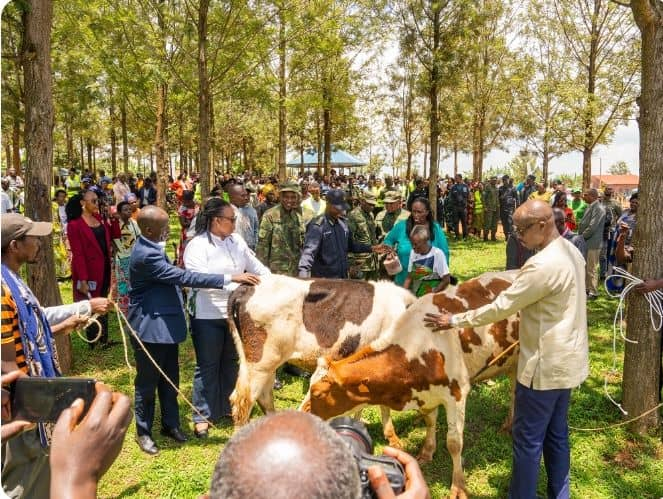
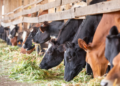
Teams will focus on projects that improve people’s welfare. These include healthcare services, environmental protection, construction of schools, livestock support, housing for vulnerable families, and access to clean water.
Officials estimate the nationwide activities will cost more than 2.5 billion Rwandan francs