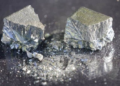


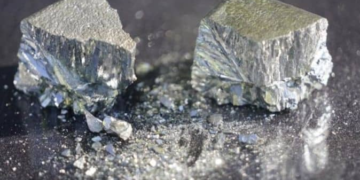



















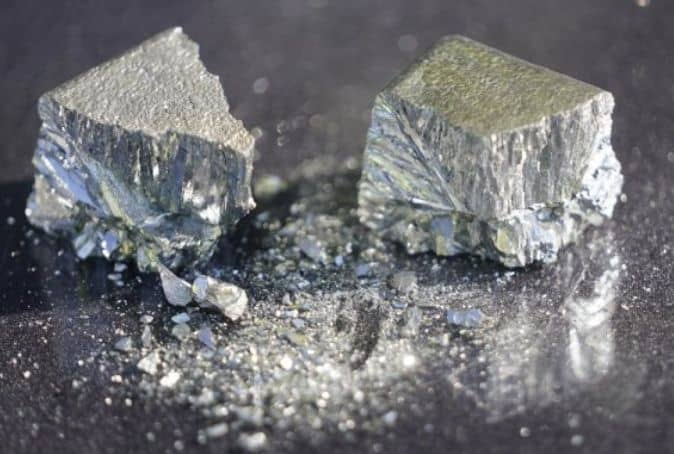
Kazakhstan has started testing samples of Rwanda’s rare earth minerals, some of the scarcest resources in the world. The move marks an important step toward possible cooperation between the two countries in the mining sector.

Official Announcement at Regional Forum
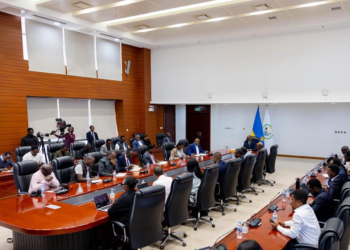
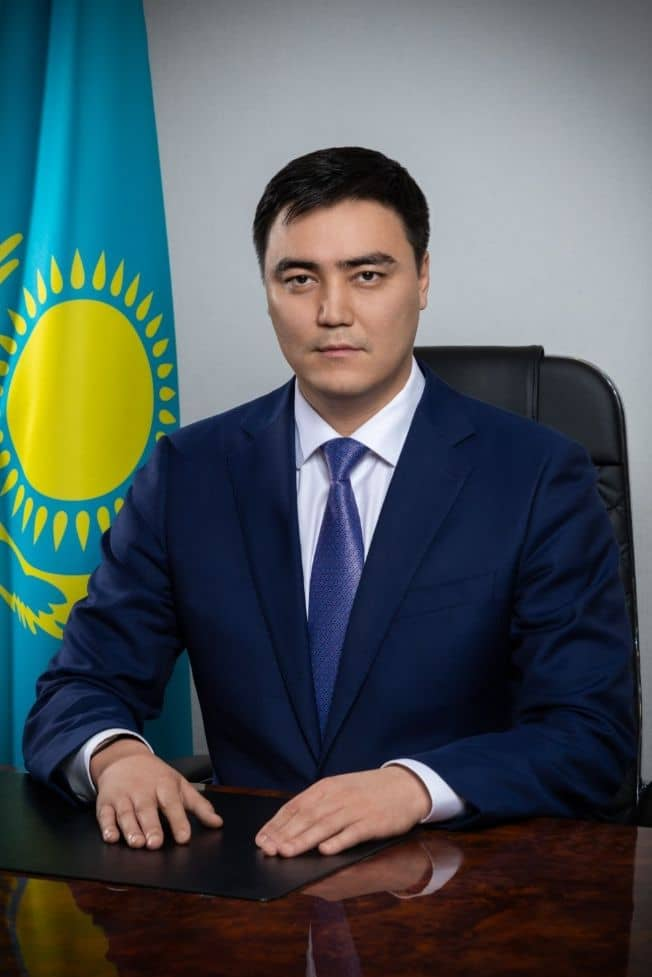
The Deputy Minister of Industry and Construction of Kazakhstan, Iran Sharkhan, confirmed the development. He said his country had already received samples from Rwanda. He made these remarks on Friday, April 3, 2026, during the Geoscience & Exploration Central Asia 2026 Forum, a major conference on mineral exploration in Asia.
Laboratory Analysis Underway
Sharkhan explained that the company Tau-Ken Samruk is currently analyzing the samples. The goal is to assess whether Rwanda and Kazakhstan can work together to extract these valuable minerals. The testing is taking place in the Karaganda region of Kazakhstan.
ALSO READ: Ngoma: Youth Donate a Cow to a Hero of the Struggle to Stop the 1994 Genocide Against the Tutsi
Importance of Rare Earth Minerals
Rare earth minerals include elements such as bastnaesite, monazite, and xenotime. These minerals produce important elements like neodymium, europium, and yttrium. Industries use them in modern technologies, including electronics, energy systems, and advanced manufacturing.
Plans for Cooperation and Agreements
Sharkhan noted that experts are reviewing legal frameworks and carrying out geological studies to support future cooperation. He also said similar minerals are being explored in Afghanistan.
This partnership follows agreements signed in May 2025 during President Paul Kagame’s visit to Kazakhstan. The Rwanda Mining Board and Kazakhstan’s Samruk-Kazyna fund signed these agreements, along with others in technology, education, agriculture, diplomacy, and finance.
ALSO READ: https://agaciropress.com/ruhango-waste-management-project/
Locations of Minerals in Rwanda
In Rwanda, these rare minerals are mainly found in the Southern Province. Key locations include Rukarara in Nyamagabe District, Nshili in Nyaruguru District, and areas near the Munanira rock formation. Deposits also exist in Musebeya, which covers parts of Karongi, Nyamagabe, and Nyamasheke districts. Further details will be shared after the ongoing analysis is complete.