



























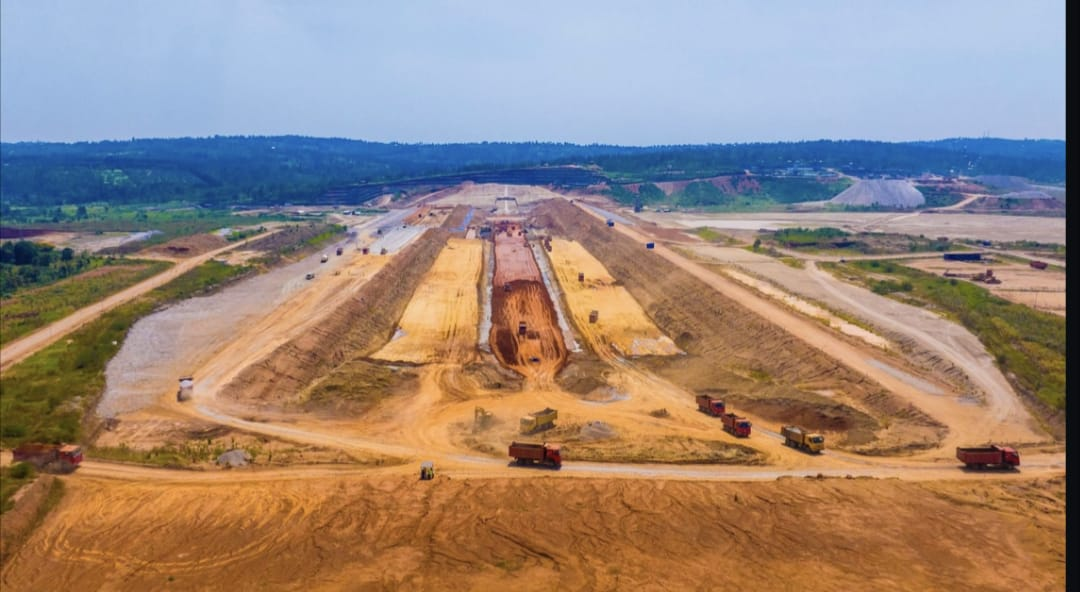
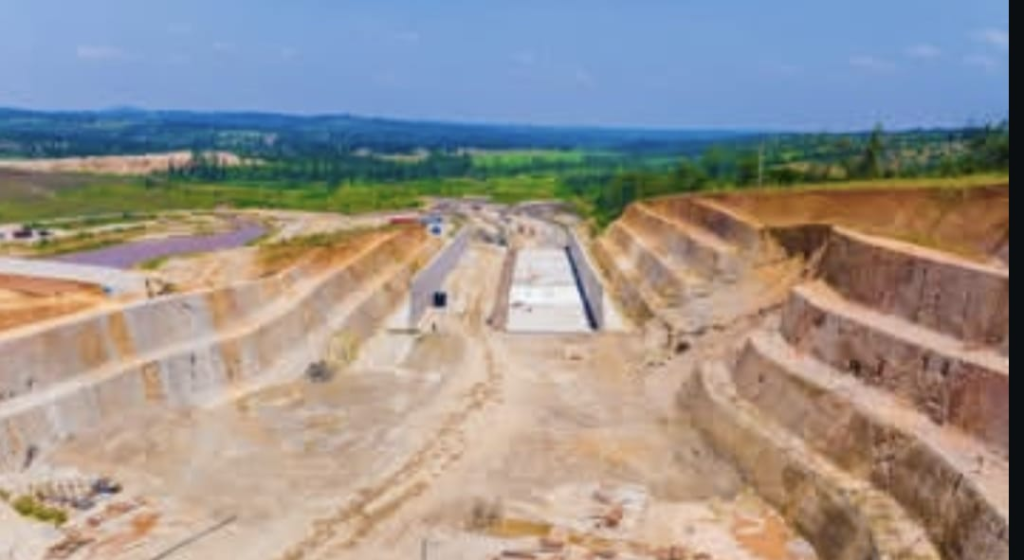
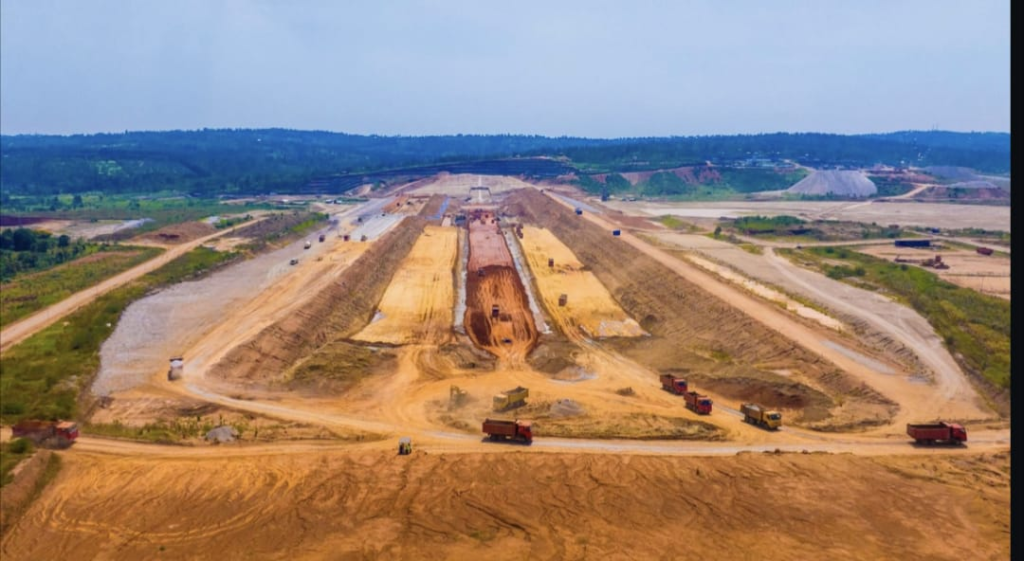
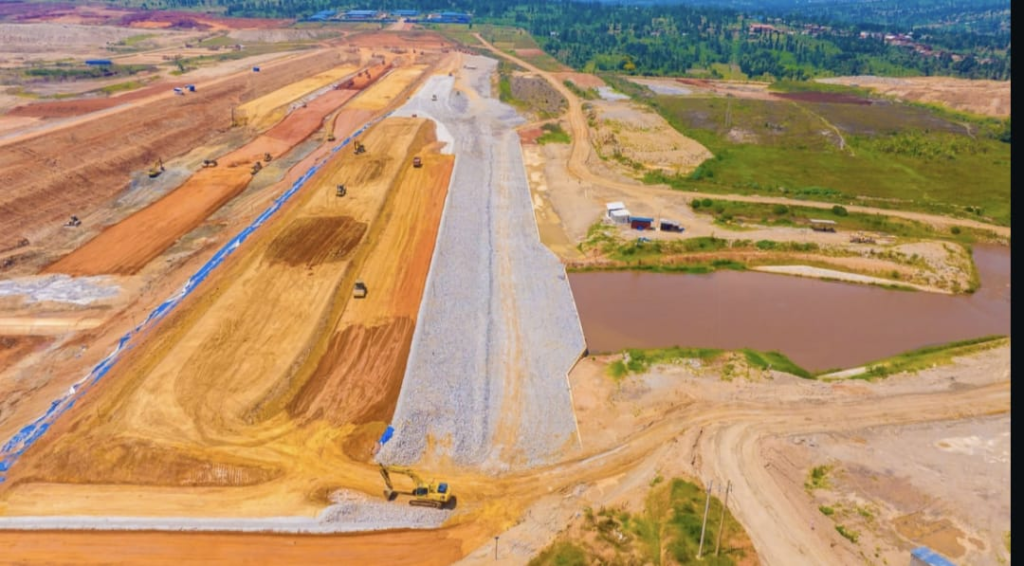
Construction works on the Muvumba Dam in Nyagatare District have reached 44 percent completion, marking a significant milestone in one of Rwanda’s major infrastructure projects. The project is steadily advancing and is expected to boost agriculture, livestock development, renewable energy use, and water security in parts of the Eastern Province that frequently experience prolonged dry seasons.

Strategic Infrastructure to Address Climate Challenges
Standing at a height of 39 meters, the Muvumba Dam is among key government investments designed to address the effects of climate change. The project specifically targets recurring droughts and water shortages that have negatively affected community livelihoods, agricultural output, and livestock productivity in the region.
ALSO READ: Muhoozi Reignites Controversy with Remark on Women and Childbirth
The dam is being implemented at an estimated cost of Rwf 55 billion. The investment covers construction of the main dam structure, development of water conveyance channels, installation of irrigation infrastructure, and implementation of environmental protection measures around the dam site to ensure sustainability.
Investment Cost and Project Components
Boosting Irrigation, Food Security, and Jobs
Once completed, the Muvumba Dam is expected to irrigate 11,000 hectares of land, enabling farmers to access reliable water throughout the year. This will support continuous agricultural production, increase crop yields, improve food supply in local markets, and create employment opportunities for residents of Nyagatare District and neighboring communities.
Power Generation and Long-Term Development Impact
Beyond irrigation, the dam will generate 1 megawatt of electricity, supporting local businesses, small industries, and other economic activities. Ongoing construction works include dam structure development, installation of water systems, preparation of irrigation channels, and environmental conservation efforts. Upon completion, the Muvumba Dam is expected to play a vital role in strengthening food security, reducing drought impacts, and driving sustainable socio-economic development in the Eastern Province and Rwanda as a whole.











Comments 1