








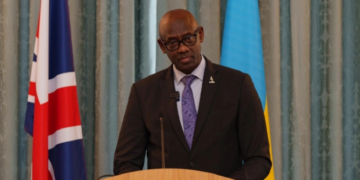











The Minister of National Unity and Civic Engagement, Dr. Jean Damascène Bizimana, has cautioned young people who increasingly use the word “gutwika” to refer to parties or enjoyment. He reminded them that the term carries a dark and painful meaning in Rwanda’s history.

ALSO READ: Rwanda Praised for Volleyball Championship Preparations
Remarks Made During Senate Discussion
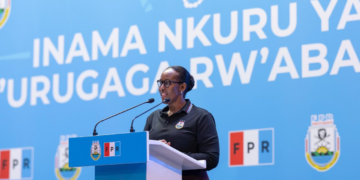
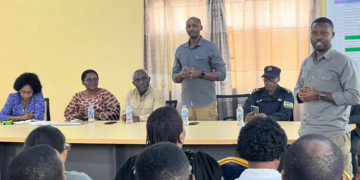
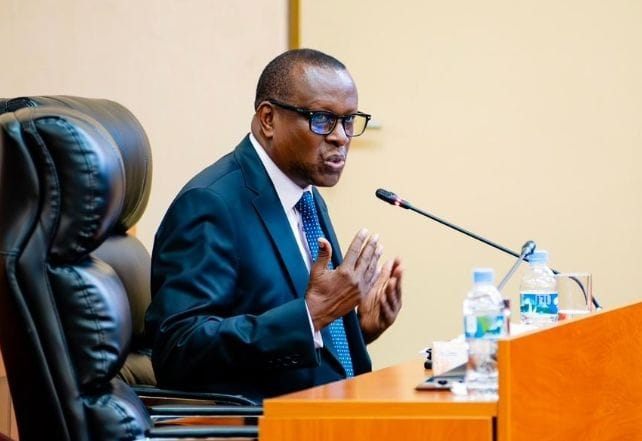
Minister Bizimana made the remarks on Wednesday, 4 February 2026, during a discussion with Senators on indicators of Rwandan unity, resilience, and reconciliation. The discussion followed the presentation of a study released in 2025.
Minister Explains Youth Usage of the Term
He pointed out that nowadays some youth use the term “gutwika” to describe a successful party or an event marked by high levels of excitement and enjoyment. However, the Minister stressed that the word was historically used in a very negative context and should therefore be avoided.
Strong Warning on Historical Meaning
He said: “Avoid using the word gutwika when referring to a party or a concert. Gutwika means killing; it is not a word that describes celebration or joy. Young people may not know this.”
In response, a social media user commented: “Honestly, relax. These are just youth styles.”
Minister Dr. Bizimana replied that while he does not oppose youth expressions, those that distort the Kinyarwanda language and carry a negative historical meaning should not continue to be used.
Call for Education on Rwanda’s History
He stated: “Saying that gutwika is harmless and should replace the word concert? No, never. I would never wish to experience it, nor would I wish it on anyone else. Gutwika and being burned are evil; they are crimes and can never be good. Come closer to elders and let them explain where gutwika once led Rwanda.”
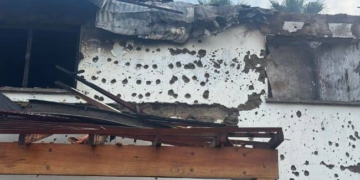
The Minister explained that the term “gutwika” acquired its negative meaning during the 1959–1960 violence, when houses belonging to Tutsi were burned in Bufundu, in what was formerly known as Gikongoro. He called for stronger efforts to educate young people about Rwanda’s history.













Comments 2