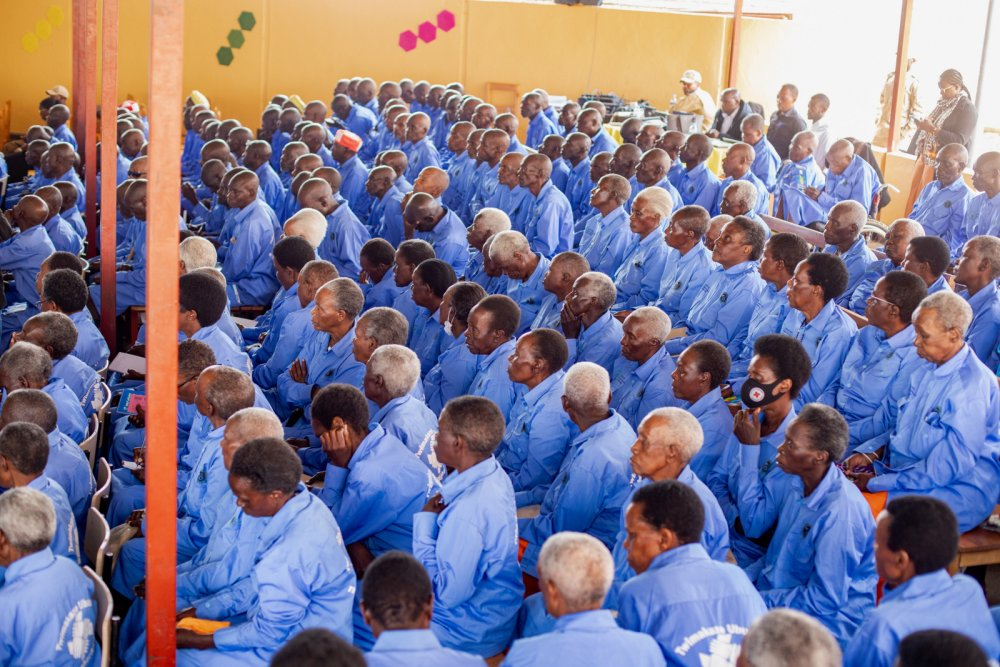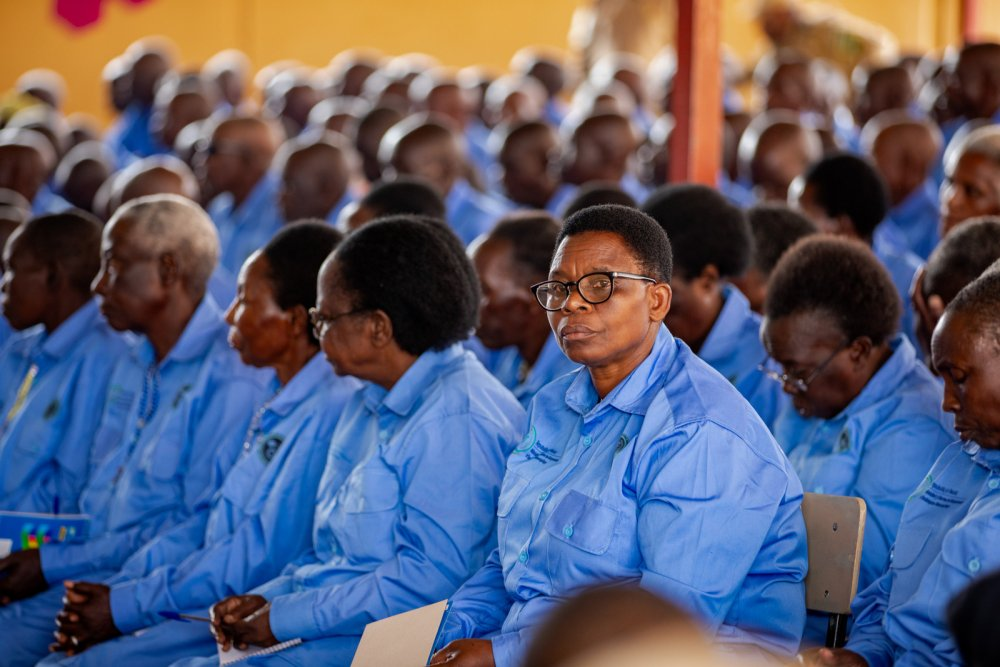










The Ministry of National Unity and Civic Engagement (MINUBUMWE) says that no former inmates who completed its reintegration training have reoffended since March 2025. The program targets prisoners convicted of Genocide-related crimes who are nearing the end of their sentences. It aims to help them return to society as responsible citizens. This result marks a major shift from previous years, when some released inmates committed similar offenses again.

ALSO READ: 25th anniversary of community-based health insurance celebrated
Launch of the Seventh Training Cohort
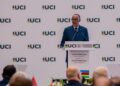
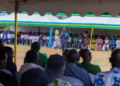
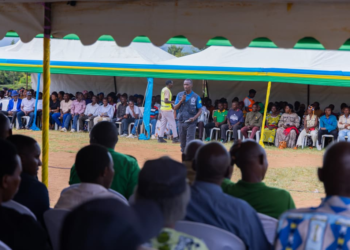
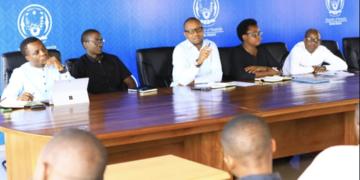
MINUBUMWE made the announcement on February 23, 2026, at Nyamagabe Correctional Facility.
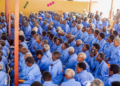
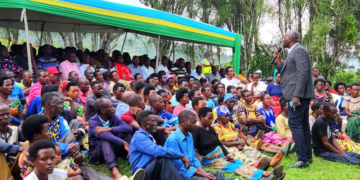
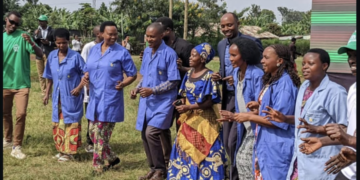
On that day, the ministry launched the seventh group of unity and resilience training. The new cohort includes inmates who will soon complete their prison terms.
The current session began in February and will end on March 18, 2026.
Training Content and Objectives
The program provides civic education and reconciliation lessons. It teaches national values of unity, peace, and responsibility.
MINUBUMWE designed the training to help participants rebuild their lives. The ministry wants them to respect others and protect the progress Rwanda has achieved.
The sessions also focus on healing, dialogue, and community engagement.
Participation and Beneficiary Statistics
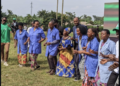
The seventh cohort includes 266 inmates. Among them are 165 men and 101 women. They come from 10 correctional facilities across the country.
Since March 2025, 1,837 inmates have completed the training. Most of them have already returned to their communities. With the current participants, the total number of beneficiaries has reached 2,103. MINUBUMWE expects all of them to complete their sentences by July 31, 2026.
Before this program started, some released inmates committed offenses again. Many cases involved Genocide ideology against the Tutsi.
Program Impact and Rehabilitation Progress
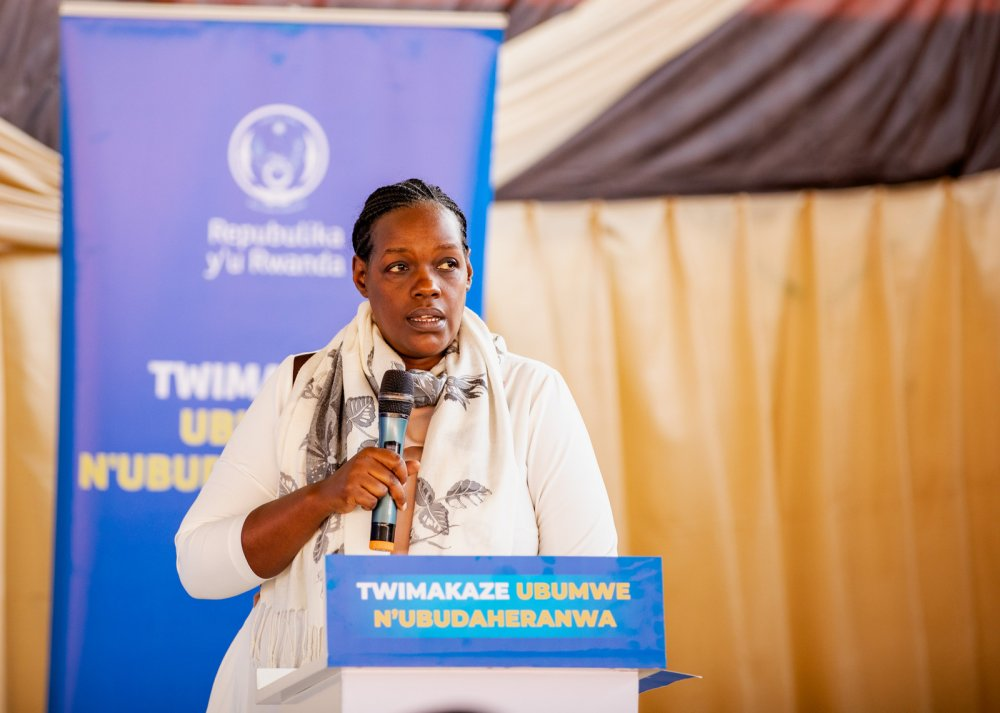
Alice Uwera Kayumba, Director General in charge of National Unity and Resilience at MINUBUMWE, praised the program’s results. She said it supports genuine rehabilitation.
She explained that ministry officials carried out a preliminary assessment. The study showed positive changes in behavior and family relationships. “We conducted a small-scale study and found that some remains of victims killed during the Genocide were located based on information provided by individuals who had been released. Their behavior in society also reflects positive change, as none of them has so far been involved in recidivism or in acts related to Genocide ideology,” she said.
Kayumba added that many participants spent nearly 30 years in prison. She said rebuilding their lives requires patience, guidance, and strong community support.
She also praised those who sought forgiveness from victims and affected families. She said their actions show commitment to reconciliation.
Local Government Support and Future Plans
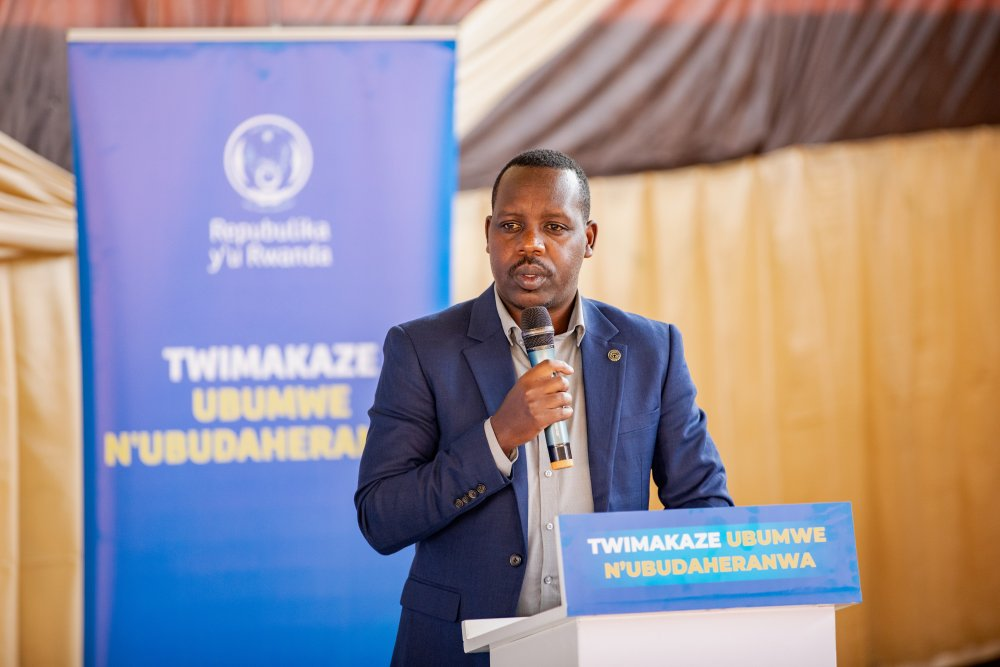
Habimana Thadée, Vice Mayor for Economic Development in Nyamagabe District, said local leaders are ready to help former inmates reintegrate.
He said the district will support them in finding work and building healthy relationships. Local authorities will also monitor their progress.
MINUBUMWE plans to continue working with partners and communities. The ministry hopes to expand the program and strengthen peace across the country.