

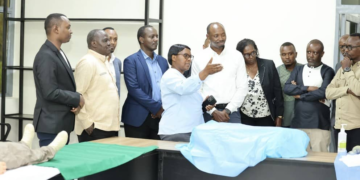
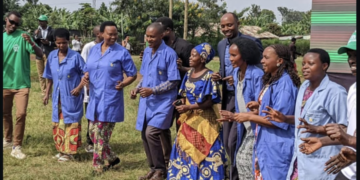
















Former poachers who used to hunt wildlife in Akagera National Park say their lives have visibly changed after being given opportunities to improve their livelihoods through small-scale projects funded by revenue generated from tourism in the park. A concrete example is TUZIHE KUBAHO Cooperative, which operates in Karangazi Sector, Nyagatare District.

These residents say they have completely abandoned illegal poaching activities and now take pride in the benefits and development they gain through legally recognized projects.
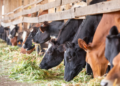
This cooperative was established by former poachers and is currently engaged in pig farming. Over the past two years, the cooperative has received funding exceeding 12 million Rwandan francs from tourism revenue generated by Akagera National Park. This funding has helped members expand their activities and increase production.
Nsabiyumva John, a member of TUZIHE KUBAHO Cooperative, says the support has transformed their lives. He stated:
“We used to engage in illegal poaching activities because of poverty and limited knowledge. Now we have realized that conserving the park and working with the government provides us with sustainable benefits. Pig farming sustains us, enables us to pay community-based health insurance, educate our children, and contribute to the development of the district.”
Meanwhile, Hakizimana Jean Damascène, a former poacher, says he has completely changed his mindset. He said:
“I used to poach animals in the park, such as buffaloes, and we would be paid 10,000, 15,000, or 20,000 francs. Today, I am a protector of the park. The money we earn from tourism-funded projects helped me understand that wildlife is a shared national asset. I now earn more benefits than I did when I was a poacher.”
Nyagatare District notes that this cooperation between citizens and national institutions has yielded tangible results. From 2019 to 2024, Nyagatare District received more than 600 million Rwandan francs from tourism revenue generated by Akagera National Park. These funds were used for community development projects, including water supply systems, schools, health centers, and small income-generating projects that create jobs.
The Rwanda Development Board (RDB) department in charge of wildlife conservation indicates that in the 2025–2026 period, 14 districts neighboring four national parks across the country began sharing more than 5 billion Rwandan francs generated from tourism. Of this amount, 1.2 billion francs was allocated to the three districts surrounding Akagera National Park: Nyagatare, Gatsibo, and Kayonza.
Ngoga Telesphole, Director of the Wildlife Conservation Department at RDB, says the program aims to show communities living near national parks that they are the primary custodians of these protected areas.
He stated:
“When communities see tangible benefits from tourism, they become partners in protecting national parks. That is why we established a program to share 10% of tourism revenue with communities living near parks. It is a program we hope will endure for generations to come.”
Since the launch of this 10% tourism revenue-sharing program, Akagera National Park alone has contributed approximately USD 4.7 million, which has been used to support more than 250 community projects in neighboring districts.
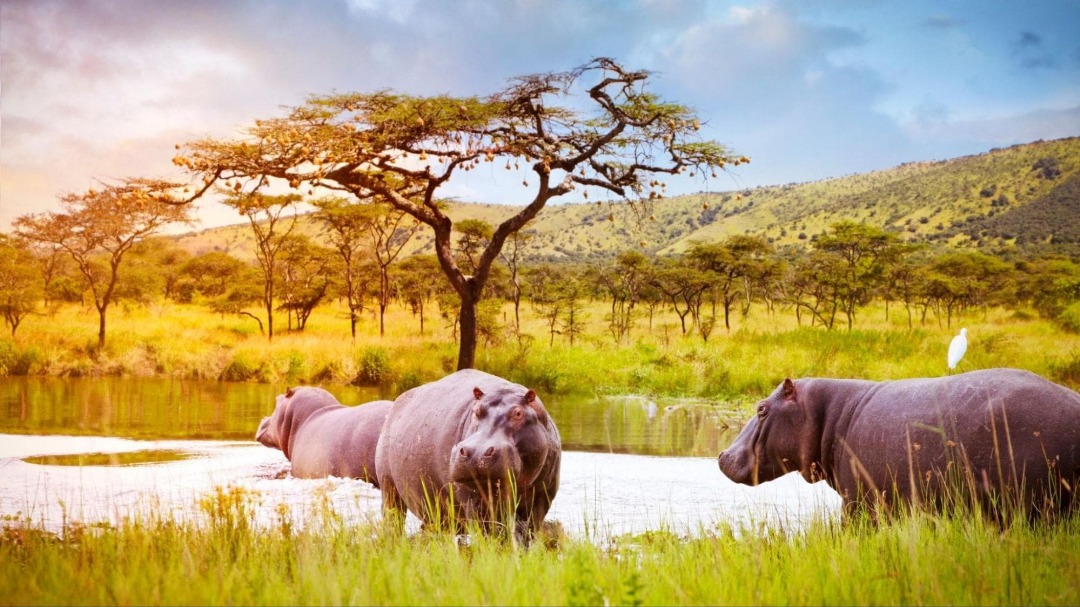
Akagera National Park is home to more than 11,000 wild animals of various species and is one of the major pillars of Rwanda’s tourism sector.