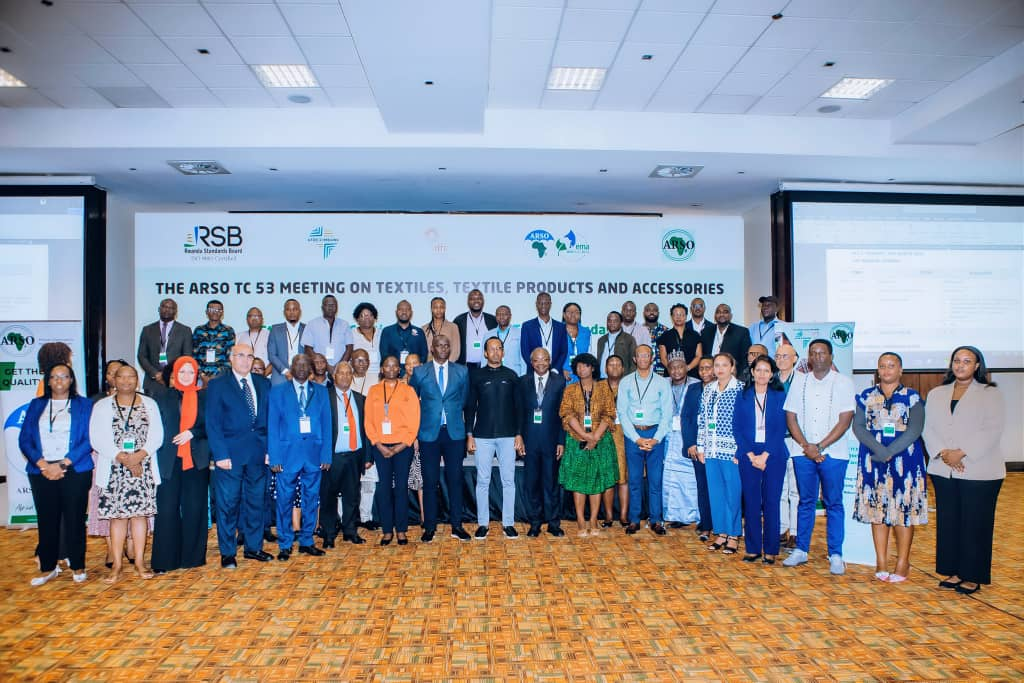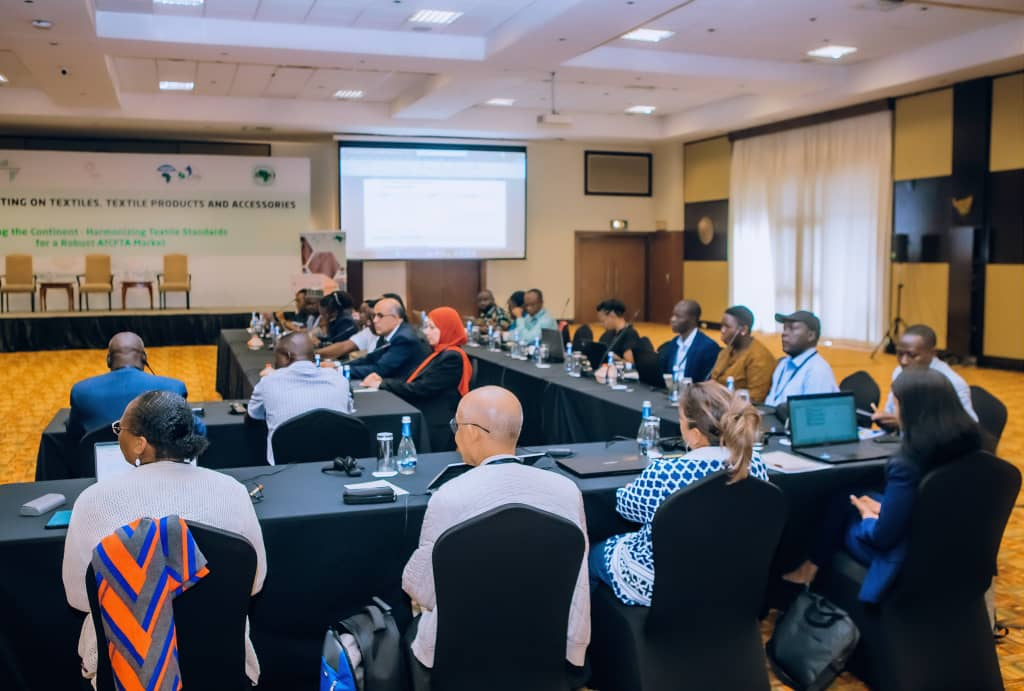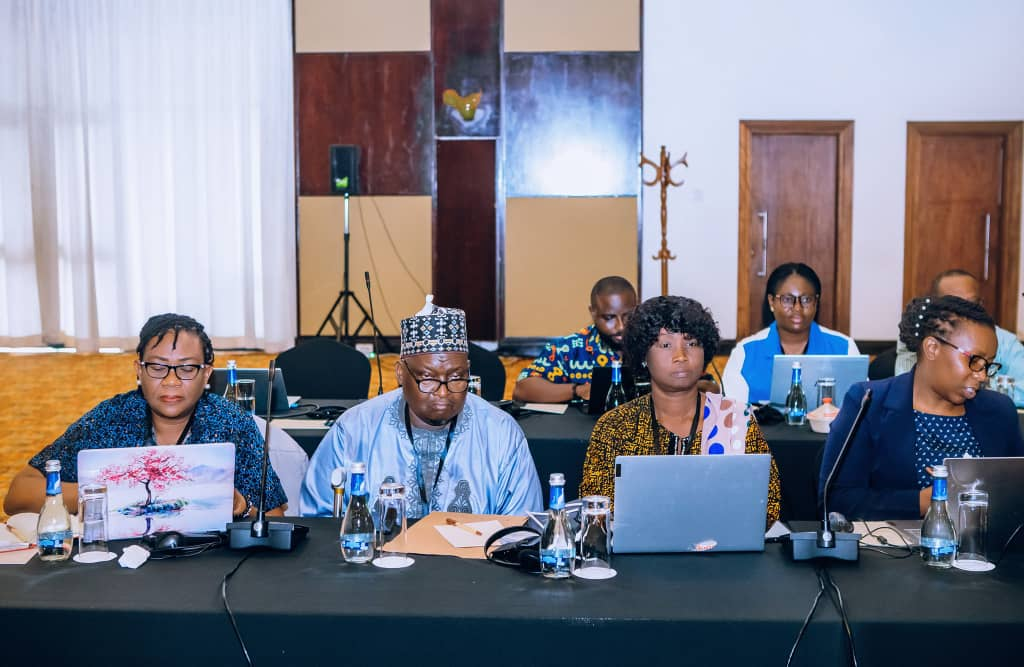































Rwanda is hosting a four-day continental meeting focused on harmonizing 26 quality standards for garments and footwear across Africa. The session has brought together experts, regulators, and policymakers. Their goal is to strengthen Africa’s industrial competitiveness and improve trade within the continent.

ALSO READ: Rwanda–India Ties Strengthened as Minister Nduhungirehe Holds High-Level Talks in India
ARSO Drives the Standards Alignment
The African Organisation for Standardisation (ARSO) is leading the harmonization effort. It aims to remove trade barriers caused by differing national regulations and ensure that African-made products meet consistent, recognized benchmarks. By doing so, ARSO hopes to simplify cross-border trade for manufacturers.
Making Intra-African Trade Easier
Harmonized standards will make trade under the African Continental Free Trade Area smoother. For example, manufacturers can now export garments and footwear to other African markets without repeating certification processes. This change reduces costs, saves time, and strengthens Africa’s competitiveness. Moreover, unified standards encourage regional investment in manufacturing.
Rwanda Leads in Quality Certification
Rwanda has demonstrated strong commitment to quality compliance. So far, 72 products from 42 local industries have earned African quality certification. At the continental level, 278 standards have already been harmonized. These steps highlight Africa’s steady progress toward a unified quality infrastructure. Furthermore, they inspire confidence among manufacturers and consumers alike.
Supporting Industrial Growth and Consumer Trust
Meeting leaders emphasized that strong quality systems increase consumer trust in African-made products. Additionally, harmonized standards stimulate industrial growth and create new jobs. Therefore, aligning standards in the textile and footwear sector represents a major step toward building a resilient and competitive African manufacturing industry. Ultimately, these efforts strengthen both regional trade and local economies.