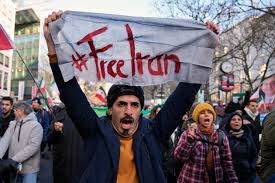

















Iran confirmed on Monday that it is maintaining contact with the United States as nationwide protests challenge the clerical leadership. The unrest began in late December and is one of the most serious threats to the Islamic Republic since the 1979 revolution. President Donald Trump said Washington might meet Iranian officials and is in touch with the opposition. He also warned that military action or other measures could still happen.

ALSO READ: Today in History: December 29 — Key World Events, Milestones, and Notable Birthdays
Protests, Casualties, and Government Response
A U.S.-based human rights group, HRANA, reported at least 572 deaths, including protesters and security personnel, and over 10,000 arrests since the protests began. The ongoing internet blackout limits information. Iranian authorities blame foreign interference for the unrest, claiming U.S. and Israeli-backed “terrorist” groups carried out the violence. Despite the protests, Iran’s leadership and security forces remain united, while opposition groups stay fragmented.
Negotiations and Warnings
Iran said it is open to dialogue but warned foreign governments against supporting the protests. Such actions are seen as interference in internal affairs. Trump said Iran expressed interest in negotiations, but U.S. officials are considering their options. Iranian leaders warned that any attack on Iran would trigger retaliation, showing the high stakes in the ongoing tensions.