
























Owners of hotels, restaurants, bars, and other places that receive large numbers of people have been given a deadline to improve hygiene standards before the end of December. Starting from 2026, no further warnings will be issued, and anyone who fails to meet the required standards will face penalties as provided by the law.

In Rwamagana District, local authorities have launched a cleanliness campaign known as “Smart Rwamagana.” The aim is to promote continuous hygiene practices and make cleanliness a culture for all residents—at home, at workplaces, and in public spaces, while also ensuring high-quality service delivery.
The campaign includes educating different groups on how to maintain a clean and well-organized Rwamagana City.
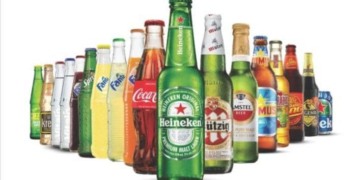
The latest message targets hospitality businesses and public facilities such as hotels, restaurants, bars, markets, schools, and rented gardens used for events. All these institutions are asked to fully understand and apply the hygiene guidelines issued by the Ministry of Health. Those who have not yet complied were reminded to do so quickly, as the deadline is December 2025.
In an interview with the media, Umutoni Jeanne, the Vice Mayor of Rwamagana in charge of Social Affairs, explained that inspections have already begun in various locations to assess hygiene and cleanliness. This process will be followed by reviewing inspection reports and providing necessary guidance.
She said:
“We want to remind Rwamagana residents who own bars, hotels, restaurants, and other public spaces that we are moving forward with Smart Rwamagana. We must respect the regulations issued by the district council and the Ministry of Health. We need to fix what needs improvement, and where there are challenges, report them so we can support you. We have given this month of December because dirt has no place in Rwamagana.”
When the guidelines were released, they were shared with all sectors, and discussions were held with hotel, bar, and restaurant owners, along with hygiene committees.
Some residents of Rwamagana City called for the enforcement of these measures even in places operating secretly or informally.
Kamugabo Innocent, a resident of Cyanya, said:
“There are things people do in Rwamagana that can cause diseases—some people cook street food like fried snacks on the roadside, and others run hidden eateries. Those places must also be reached and required to improve hygiene.”
Another resident, Muhimpundu Asia, added:
“We would like to see signposts everywhere about this campaign, and we should also be given a phone number to report those who do not comply with hygiene regulations.”
The Smart Rwamagana initiative was launched by the district on November 21, 2025, and aims to improve cleanliness and hygiene across all areas while providing quality and citizen-centered services.