




















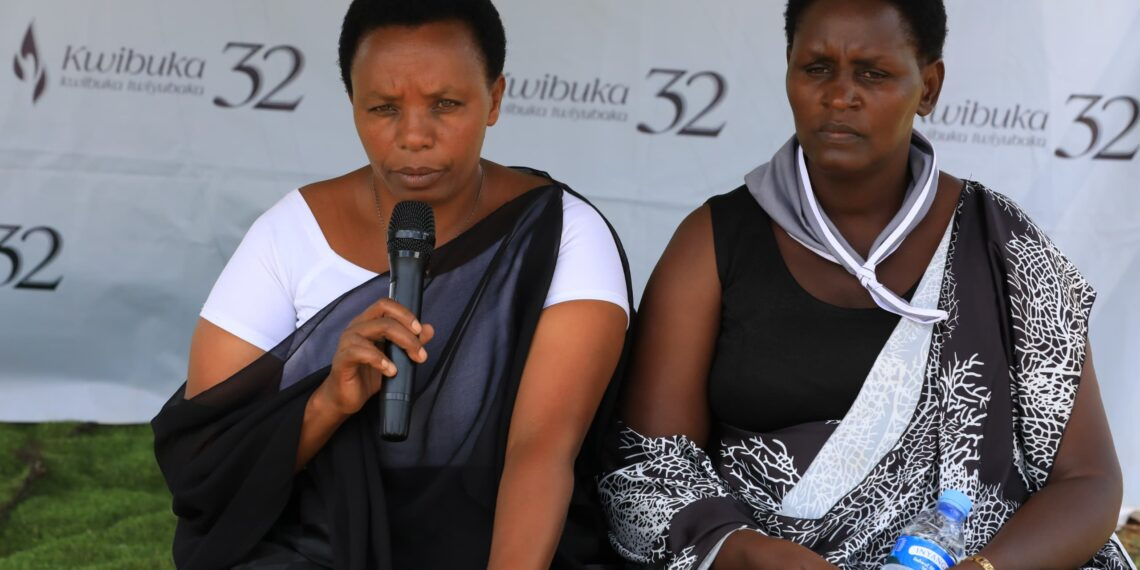
Mukantwari Mediatrice, a resident of Kirehe District and a survivor of the 1994 Genocide against the Tutsi, has recounted how she survived after being thrown into the Akagera River with her hands tied behind her back. She did not know how to swim, and the river was inhabited by dangerous animals such as hippopotamuses that could have killed her.

Commemoration at Rusumo Border
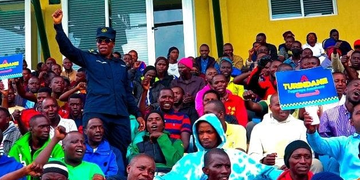
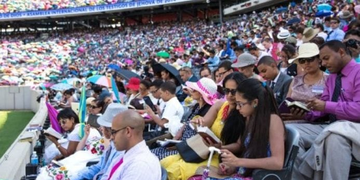
She shared her testimony during the 32nd commemoration of the Genocide against the Tutsi held at the Rusumo border in Kirehe District, which connects Rwanda and Tanzania. The event particularly honored the memory of Tutsi victims who were killed and thrown into the Akagera River. Mukantwari began by expressing gratitude to the former RPA Inkotanyi forces for stopping the genocide and fighting for the survival of Rwandans.
Early Discrimination and the Start of Violence
In her testimony, Mukantwari, who lived in Kigarama Sector before the genocide, explained that ethnic discrimination began during her primary school years when she was in Primary Five, and later continued at ETO Kicukiro, where she was studying when the genocide broke out.
She recalled that three days after the genocide began, the then Bourgmestre of Rusumo Commune questioned local residents about why they had not yet started killing. She said: “They asked him whether they should start with him (even though he was Hutu) so that others would gain courage. He agreed, and they immediately killed him… That is how the killings began.”
Separation from Family and Search for Refuge
Mukantwari explained that her family had nine children, six of whom were unmarried. Their parents sent them to seek refuge at the home of an elderly neighbor named Kiromba, whom they trusted. She said: “They left, and I don’t know where they went. That was the last time I saw them; we have never found their bodies… When we arrived there, we found a large group of Interahamwe, including neighbors. The woman told us she could not shelter us because they would kill us in front of her, so we had to keep moving.” They went into hiding in the bushes. Later, they were attacked by a group from Kanombe, including a hunter armed with a bow. However, they were spared temporarily, with the attackers saying they would kill them another day.
Encounters with Violence and Capture
Mukantwari and her siblings, led by their elder sister, went to another acquaintance’s home, where they found people slaughtering cattle. She said: “They told us to sit and eat; they had cooked sweet potatoes with sauce made from the cows they had slaughtered. They used the same machetes to kill people and animals without even cleaning them. I failed to eat because I kept thinking about the people and the cows.” They were later told to hide elsewhere, but unfortunately, the Interahamwe found them and took them to a place where many groups had gathered. There, some victims were selected to be killed, while others were taken as forced wives. She recounted: “They took my elder sister, and the man told his wife to leave the bed so he could take her as his wife. The next morning, when the Interahamwe asked him about the women he had spent the night with, I cannot say that he had not made her his wife.”
The Journey to the River and Loss of Loved Ones
Mukantwari said they were then forced to carry meat from the slaughtered cattle as they were marched along the road, being joined by other captured Tutsi who were being taken to be killed and thrown into the Akagera River. During the journey, they were subjected to severe torture, including beatings with clubs and machetes on their backs. She said: “My elder brother kept praying as we walked, but they struck him with machetes on his back. When we reached the Akagera River, he was ahead of us and was thrown in first and died. Two of my younger siblings also died, along with many other children we had grown up with, including one nicknamed Rwokera.”
Thrown into the River and Miraculous Survival
Mukantwari herself was thrown into the river with her hands tied behind her back. She said: “After taking the meat they had forced us to carry, they tied me up and threw me into the Akagera River. They said Tutsis have many heads and feared I might survive if I knew how to swim.” She added: “While I was in the river, they would leave and then return after seeing me raise my head. They would come back with spears to kill me, but I survived each time only God knows how.” As evening approached, she described what she believes was divine intervention. She saw her sister Vestine whom she had believed to be dead floating in the water.
She said: “We met in the water and spoke. Neither of us knew how to swim, but I told her to hold onto me. I don’t know where that strength came fromI pushed myself upward and grabbed onto grass.” They later hid in marshy vegetation, where large animals approached them but did not harm them. Eventually, a Hutu man who had witnessed the killings chose to help them by showing them a safe route to Tanzania. Mukantwari and her sister continued their journey until they reached Ngara, where many Tutsi refugees from Rwanda had gathered. However, they continued to face various hardships. She later found employment with Arab employers who treated her well and eventually helped her return to Rwanda. Her sister returned later.
She recalled: “The Arabs arranged for a driver and gave him a vehicle to bring me back. When I reached Nyakarambi, I thought Rwanda no longer had any people. I did not even recognize the country or have the desire to return. That is why I thank the Inkotanyi forces may God bless them I found that the country had regained peace.” Mukantwari concluded by saying that she rebuilt her life, returned to school, got married, and had children. Although her husband later passed away, leaving her with three children, she has raised them and continues to live a stable life.
ALSO RAED: https://agaciropress.com/sam-altman-home-attack-san-francisco/