
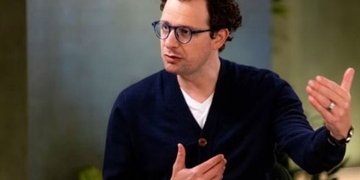





















Murangwa Eugène, founder of the Ishami Foundation, shared innovative ways young people are being supported to understand and remember the Genocide against the Tutsi. He revealed that in the United Kingdom, the foundation introduced a program called “Play to Remember”, which combines sports especially football with discussions to teach young people about the genocide. Participants in the program have shown a deeper understanding of this history through active engagement.

Sharing Survivor Testimonies in Schools
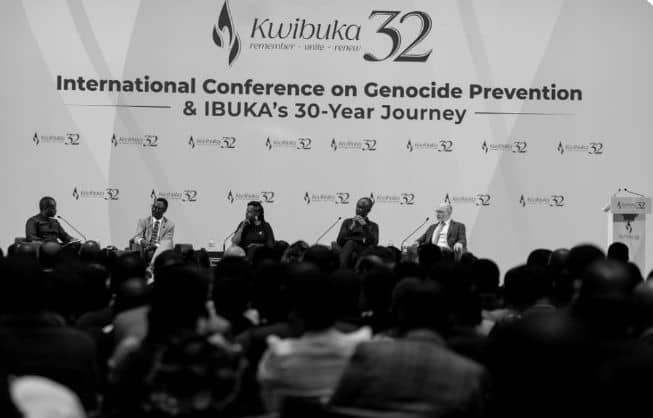
Murangwa made these remarks during a presentation at the International Conference on Genocide Prevention, held at Intare Conference Arena on Wednesday, April 8, 2026.
He emphasized that preserving the voices of genocide survivors requires more than mere remembrance.
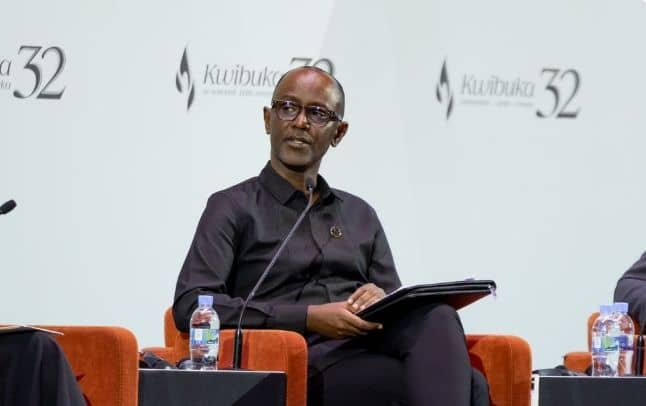
“It requires systems and collaboration, but also compassion. In the UK, we created programs that bring survivors into schools so that their testimonies can be heard and truly understood by young people,” he said.
This approach allows youth to engage directly with survivors, helping them distinguish between authentic accounts and information from books or other sources.
Safe Spaces for Survivors and Youth Engagement
Murangwa explained:
“We have implemented this over several years by creating safe spaces where survivors can share their testimonies. We also support them in developing ways to present their stories, because giving such testimony is never easy.”
The foundation has partnered with various organizations, including schools, through youth-led networks. More than 100 schools in the UK have hosted survivor testimonies, reaching over 50,000 people, many of them young learners.
“In all these efforts, the voices of those who lived through these events are essential in safeguarding the truth,” he added.
ALSO READ: Before you kill Rwanda, it will kill you_President Paul Kagame.
“Play to Remember”: Using Sports to Teach History
When asked how Rwanda could further engage youth, Murangwa highlighted the “Play to Remember” initiative. Through sports competitions and discussions, children and young people actively learn about the genocide.
“At Ishami Foundation, we teach resilience through sports. We strongly believe in the power of sports as a tool to educate young people and the wider community about our difficult history,” he explained.
Participants in the program show a clearer understanding of history. Murangwa concluded:
“History is not about being trapped in the past, but about guiding young people to move forward in truth and to understand their purpose in life.”
Recognition for Murangwa’s Work
On March 15, 2018, Murangwa who previously played for the national team Amavubi and Rayon Sports was awarded a medal of recognition by Queen Elizabeth II for his work in promoting awareness and education about the Genocide against the Tutsi in the United Kingdom.