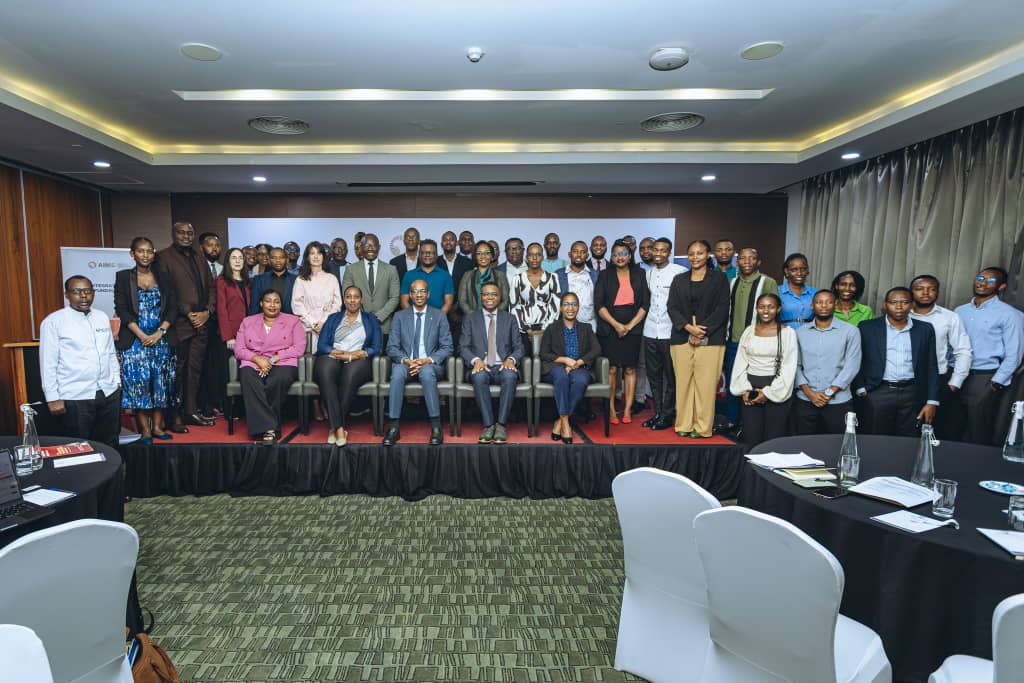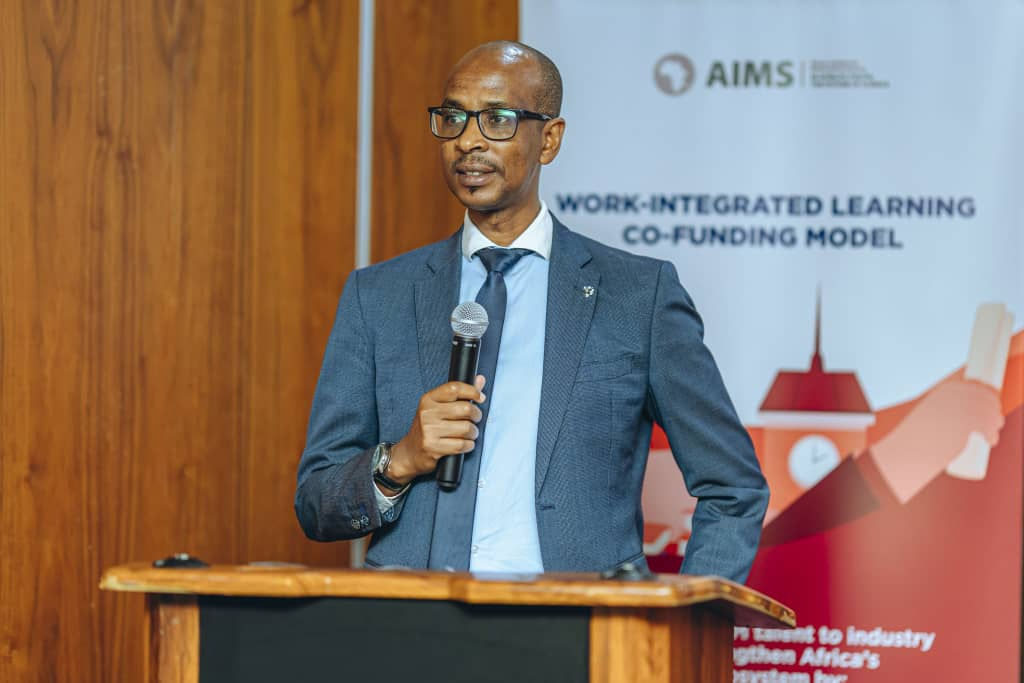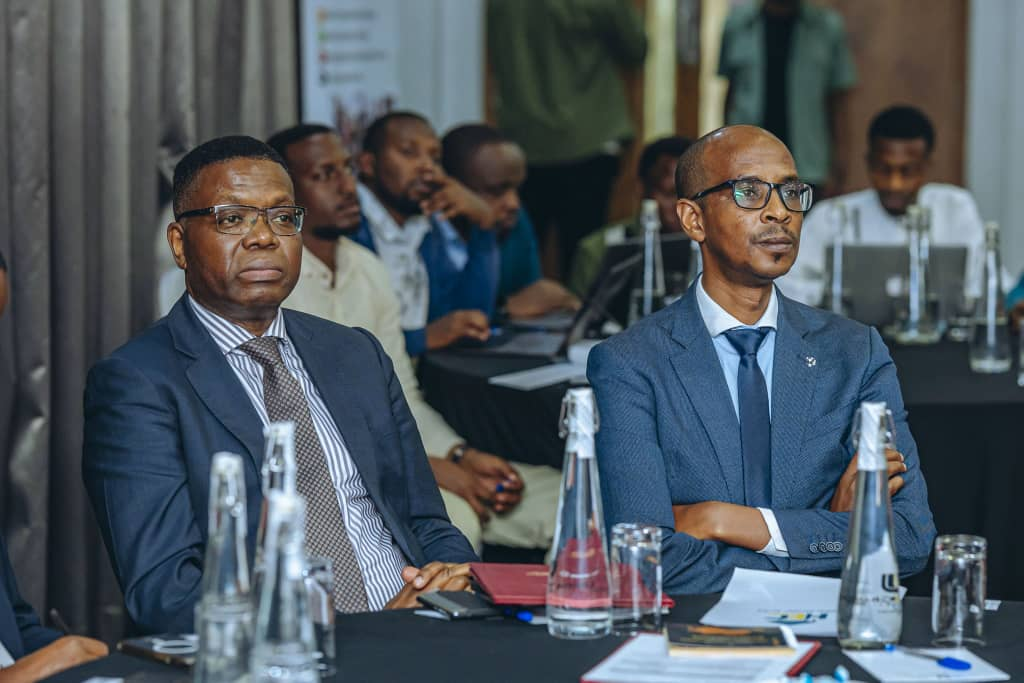




























The Director General of the Higher Education Council (Rwanda) today attended the AIMS Work-Integrated Learning (WIL) Co-Funding Model Workshop, held under the theme “Rethinking Graduate Transitions in a Changing Economy through Partnerships for Skills Development and Impact.”

The event brought together education leaders, policymakers, and industry partners to discuss practical ways of improving graduate employability in a rapidly changing economic environment.
ALSO READ: Nyagatare: RIB Calls on Residents to Report Human Trafficking
Organizers and Purpose of the Workshop
The workshop was organized by the African Institute for Mathematical Sciences through its initiative, AIMS Next.
Its main objective was to present key outcomes from the first year of implementing the WIL Co-Funding Model and to strengthen collaboration between universities and the private sector in skills development.
Promoting Work-Integrated Learning in Higher Education
The WIL Co-Funding Model aims to bridge the gap between academic learning and workplace experience. It does so by embedding structured internships and industry placements into university programs.
Through this approach, students gain practical skills, professional exposure, and a better understanding of workplace expectations before graduation.
Key Achievements and Emerging Opportunities
Participants highlighted several achievements from the first year of implementation, including stronger partnerships between universities and employers, improved graduate readiness, and increased access to practical training.
The discussions also focused on growing opportunities in areas such as data science, artificial intelligence, and other emerging technologies, which continue to shape the future job market.
HEC’s Commitment to Graduate Employability
In his remarks, the Director General reaffirmed HEC’s commitment to promoting closer collaboration between higher education institutions and industry.
He emphasized the importance of equipping graduates with relevant skills, hands-on experience, and professional competencies. According to him, such efforts are essential for enabling young professionals to contribute effectively to national development in a fast-changing economy.