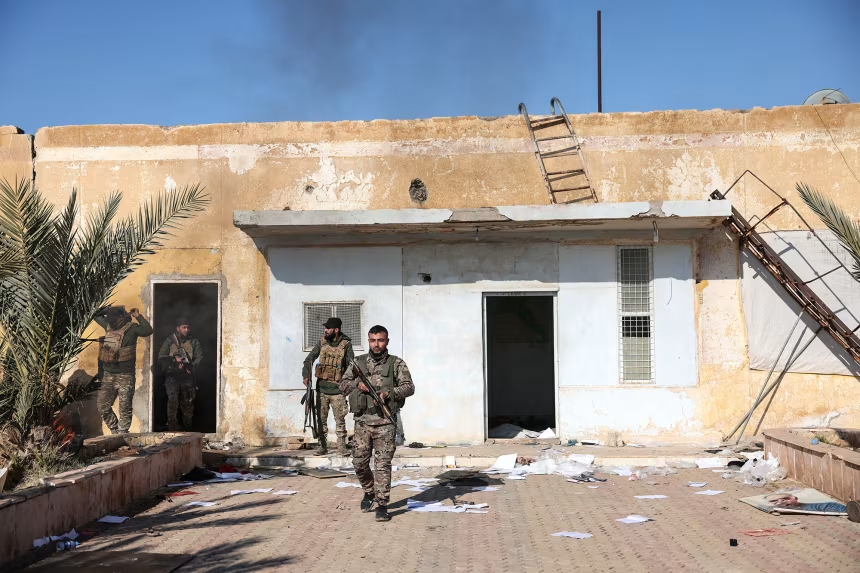
















Syrian authorities say they are searching for ISIS detainees who escaped from a prison in northeastern Syria after fighting broke out in the area. According to the interior ministry, 120 prisoners escaped from al-Shaddadi prison, and 81 of them have already been recaptured. Security forces are continuing operations to find those still at large.

The escape happened as Syrian government troops took control of the area from Kurdish-led forces. Both sides have blamed each other for allowing the detainees to flee.
Kurdish Forces Withdraw Amid Growing Tensions
The Kurdish-led Syrian Democratic Forces (SDF) accused the U.S.-led coalition of failing to assist them as government forces advanced into territory they had controlled for years. The SDF said it had repeatedly asked for help but received no response.
On Tuesday, the SDF announced its withdrawal from Al-Hol camp, which holds tens of thousands of civilians linked to ISIS fighters. The group cited what it called international indifference and a lack of responsibility from the global community. Syrian authorities, however, claimed the SDF abandoned the camp and allowed detainees to leave, saying government forces are prepared to take control of ISIS detention sites.
The Syrian defense ministry also said its forces would avoid entering Kurdish villages as they expand their control.
Broader Conflict and ISIS Threat
The recent clashes come as the Syrian government moves to reassert authority over all parts of the country. Over the weekend, government troops and allied tribal fighters pushed Kurdish forces out of large areas in northeastern Syria.
Although Syrian President Ahmad al-Sharaa announced a ceasefire agreement with the SDF, both sides reported further clashes afterward. The SDF says it feels increasingly isolated as the United States strengthens ties with the Syrian government.
ISIS remains a serious concern in the region. At its peak, the group controlled large parts of Syria, including Raqqa. While it lost its territory years ago, thousands of suspected ISIS members and their families remain held in prisons and camps under harsh conditions, drawing criticism from human rights groups.